A mini walled town on its own peninsula, 100km up the coast — Venetian bones, honest Pošip wine, and a fraction of Dubrovnik's crowds.
Korčula town sits on a small oval peninsula jutting into the channel between Korčula island and the Pelješac mainland. Its walled old core — three parallel streets, one cathedral, a Venetian tower on each corner — is a small, honest cousin to Dubrovnik: same limestone, same red roofs, same medieval bones, roughly one-tenth the visitor volume. Marco Polo's supposed birthplace is here (contested, but the house-museum is real). The whole peninsula is barely 300 metres across, so the entire old town — walls, cathedral square, harbour promenade — is a ten-minute walk end to end, and everyone passes through Trg Svetog Marka more than once a day.
This is a genuinely lovely base for four or five nights if you can spare it. The wine region behind the town produces Pošip and Grk, both white varieties you won't find elsewhere. The town beaches are rock ledges (Banje is the best) but a short boat or bus reaches proper swimming coves. Skip Korčula town as a Dubrovnik day trip — it's 3 hours by fast catamaran each way. Come and stay properly, or don't come. By 9pm the day-trip crowds have left on the last catamaran, and the harbour restaurants fill quietly with locals over grilled fish and house Pošip.
Korčula town suits couples, wine-focused travellers and families with older kids who don't need a hotel pool on their doorstep — younger children usually do better at the Lumbarda beaches, 6km away. Anyone using a wheelchair or with limited mobility should know the old town is stepped stone lanes throughout, and most guesthouse rooms sit up narrow staircases with no lift. Cruise ships call several times a week in high season, docking right against the old town walls, so late morning to early afternoon is when the streets are busiest — mornings before 9am and evenings after 7pm are when Korčula town actually feels like itself.
June and September are the sweet spot: warm enough to swim, cool enough to walk the walls at midday, and hotel rates roughly 30% below the August peak. July and August bring the Moreška performances, wine festivals in the Pošip villages, and a harbour packed with yachts and charter catamarans; book accommodation by April if travelling in high season. Winter is a different town almost entirely closed — most hotels and restaurants shut from November to April, leaving a handful of cafés around Trg Svetog Marka open for the few hundred residents who stay year-round.
Where to stay in Korčula Town
Boutique hotels inside and just outside the walls run €191-€346 in summer, dropping to around €140-€220 in shoulder season. Mid-range hotels on the Sveti Nikola peninsula, a five-minute walk over the footbridge from Land Gate, sit at €130-€217 with pools and sea views — worth the small premium if you want a proper swim without a bus ride. Family apartments in the streets behind the town, around Ulica 5 and Ulica 6, go for €74-€121 and suit anyone self-catering, with the harbour market three minutes away. Avoid rooms directly facing the town's ring road — bus and delivery traffic starts at 6am and the walls do nothing to muffle it. The prettiest stays are the small guesthouses inside the walls on the quieter of the three parallel streets, though stairs are guaranteed. Book the Sveti Nikola side for a July or August stay, or book inside the walls for a quieter shoulder-season week.
On the ground
Things to do in Korčula Town
- Walk the old town streetsThe medieval grid is a herringbone pattern designed to catch cool breezes and block the maestral wind. All three parallel streets end at the cathedral square. 30 minutes to walk end to end without stopping. Start from Land Gate around 8am, before the day-trip boats arrive, when the stone lanes are still cool and quiet.
- St Mark's Cathedral tower€4 to climb the Venetian bell tower for a rooftop panorama of the channel and Pelješac. 15th century, narrow stone stairs, small platform. Best light in late afternoon. Open daily 9am-9pm in summer, shorter hours in shoulder season — check the noticeboard by the cathedral door before you queue.
- Moreška sword danceA traditional Korčulan sword dance performed at the open-air venue near Land Gate in summer (Monday and Thursday evenings usually). €13, 30 minutes, worth doing once. Book by mid-afternoon. Performances start around 9pm; tickets are sold from a booth by the Land Gate arch from 4pm, and arriving 15 minutes early gets you a bench seat rather than standing.
- Wine tasting in Čara or SmokvicaThe Pošip villages inland, 20-30 minutes' drive. Toreta, Bire, and Krajančić are three of the good producers offering cellar tastings for €9-€17. Book ahead in summer; some close Sundays. A rental car or the inland bus toward Blato covers the route; taxis from the harbour run about €25 one way and will wait while you taste.
- Marco Polo house museumA small stone house on Ulica Depolo, a few steps off the cathedral square, claiming to be the explorer's birthplace — the claim is disputed but the climbable tower and exhibits are genuine enough. €7 entry, open 9am-9pm in July and August, shorter hours either side; ten minutes is enough.
- Boat trip to Badija islandRegular taxi boats leave the harbour near the town market roughly every hour in summer, €8-€10 return, 10 minutes each way. Badija has a 14th-century Franciscan monastery, a nudist-friendly stretch of coast, and free-roaming deer; bring water, as the single café often runs out by 3pm.
The essentials
Walls circuit and Sveti Nikola peninsula (3 km)
Start at Land Gate, walk clockwise around the outside of the medieval walls at sea level, passing beneath one of the corner towers and the town's small pebble beach. Cross the footbridge onto the Sveti Nikola peninsula, follow the wooded coastal path past the marina and the swim ledges at Banje beach, then loop back past the passenger ferry landing and return to Land Gate via the ring road.
Getting there & around
Jadrolinija fast catamarans (Krilo, Kapetan Luka) run from Dubrovnik Gruž port to Korčula town 2-3 times daily in summer, €22-€26, about 2 hours. Also connections via Split. From Pelješac (Orebić), a passenger ferry crosses in 15 minutes for €3. The Dubrovnik airport is nowhere near — plan the ferry into your itinerary. From the airport, a taxi to Gruž port takes about 25 minutes and costs €30-€40. Once in Korčula town, everything is walkable; local buses reach beaches and inland villages hourly, €2-€3. Parking inside the old town isn't possible — leave a car in the pay lot near the bus station, about 400 metres from Land Gate, at roughly €1.50 an hour.
Good to know
Korčula Town, questions answered
Korčula town or Dubrovnik Old Town — which is better to stay in?
Dubrovnik if you have three nights and want the classic experience. Korčula if you have five nights and want a similar aesthetic with a quarter of the crowds. Best to do both if you have a week.
How do I get from Dubrovnik to Korčula town?
The fast catamaran is the practical answer — 2 hours, €22-€26, direct from Gruž port. Book ahead in July/August, seats fill up. The alternative is bus to Orebić (2.5 hours) then a 15-minute ferry.
Is Korčula town worth visiting from Dubrovnik?
Yes, but only as an overnight stay, not a day trip — the fast catamaran takes about 2 hours each way, so a same-day round trip eats most of your daylight. Spend at least two nights to see the old town, climb the cathedral tower, and get out to the Pošip wine villages. If you truly only have a spare day, Mljet or Šipan are closer and better day-trip fits from Dubrovnik.
What is there to do in Korčula town at night?
Options are quiet and food-focused rather than nightlife-focused: harbour-front restaurants along the town walls stay open until around 11pm-midnight in summer, a handful of wine bars pour Pošip and Grk by the glass, and the Moreška sword dance runs on Monday and Thursday evenings. There is no real club scene — anyone wanting late bars should base themselves in Dubrovnik instead.
Keep exploring
Nearby on the coast
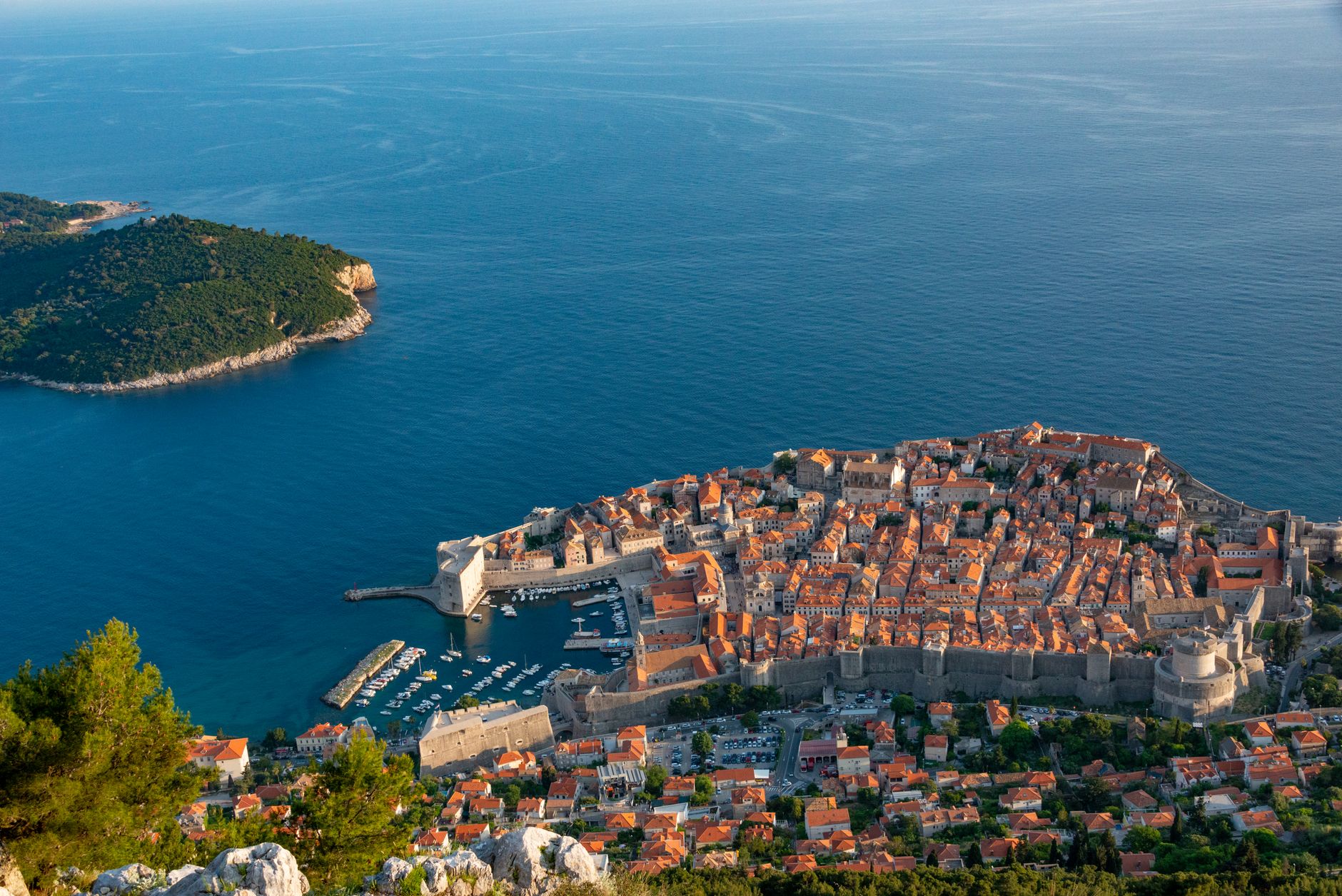
12 stays
Orebić
A Pelješac coast town facing Korčula island — sandy beaches, sailing captains' villas, and a car ferry across the channel.
Stays in Orebić ↗
106 stays
Mljet
A long forested island with two saltwater lakes at its western end — a national park, quiet villages, and the best swimming in the region.
Stays in Mljet ↗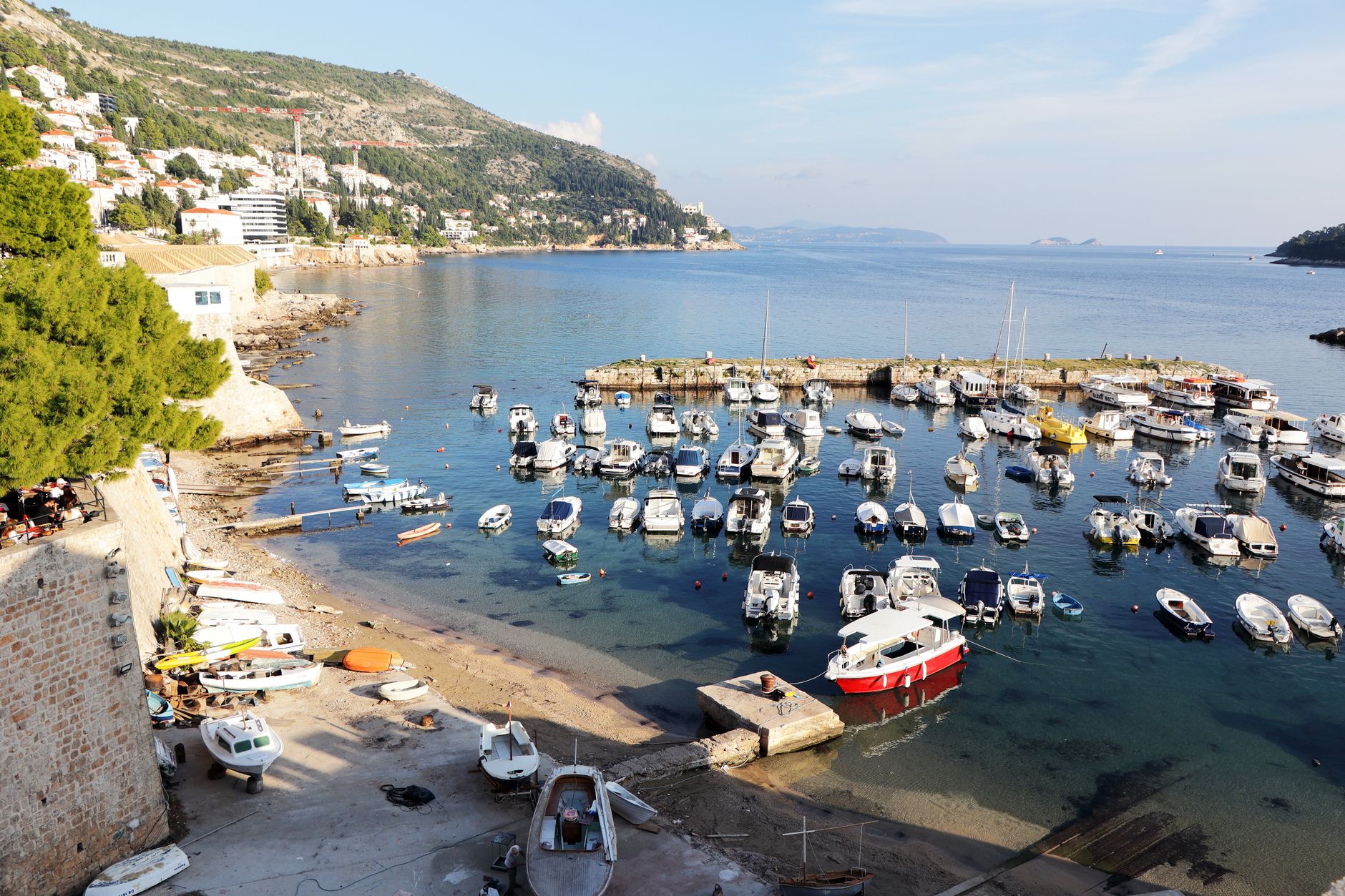
35 stays
Šipan
The largest Elaphiti island — two harbour villages joined by a single valley road, olive groves, and no cruise crowds.
Stays in Šipan ↗Doing good is the business: every booking through Stay Korčula Town funds one verified tonne of carbon removal — same room, same price, no markup.
Search stays