Stays in Split
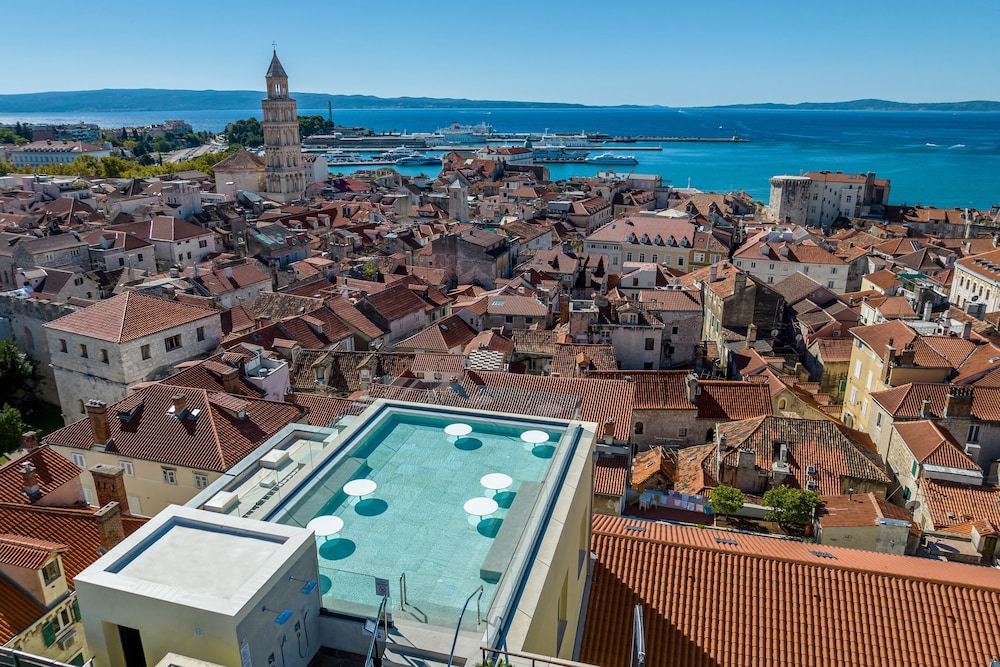
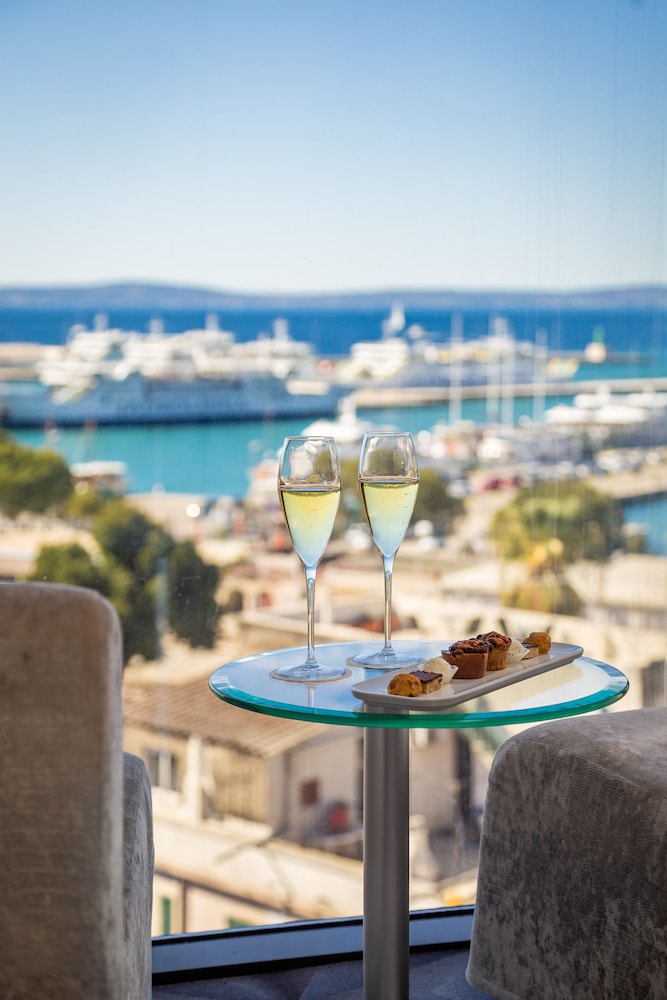
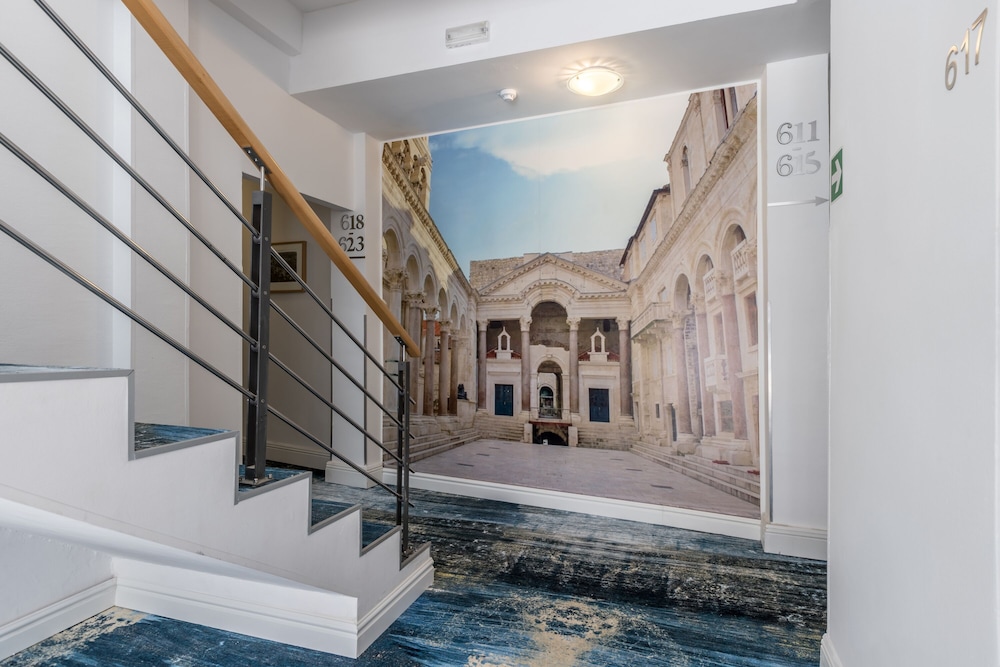
Split is the largest city on the Croatian coast and the administrative centre of Dalmatia. The city grew around Diocletian's Palace, a Roman complex built at the turn of the fourth century AD. Today the palace is not a museum but the living heart of Split, with shops, restaurants, and homes filling…
Every stay in Split
Recent rates first, then the best-reviewed rooms. · page 1 of 8


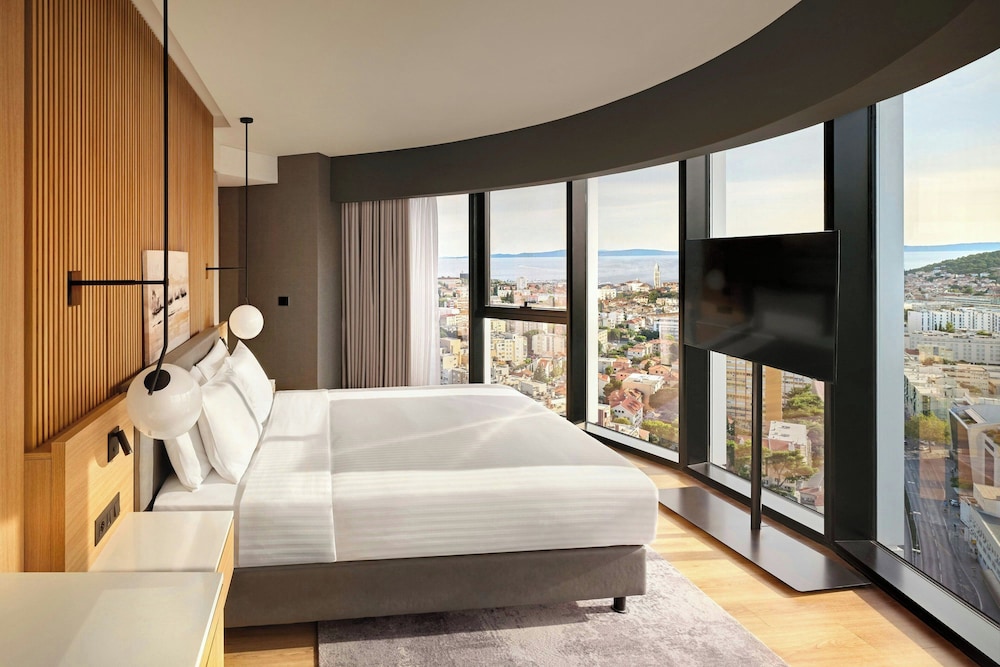
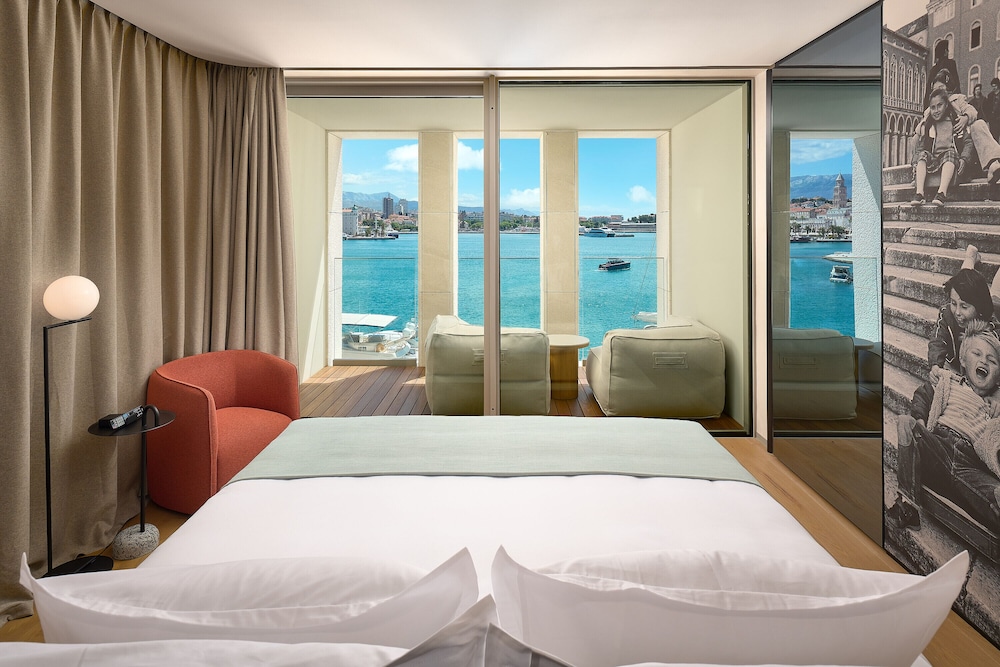
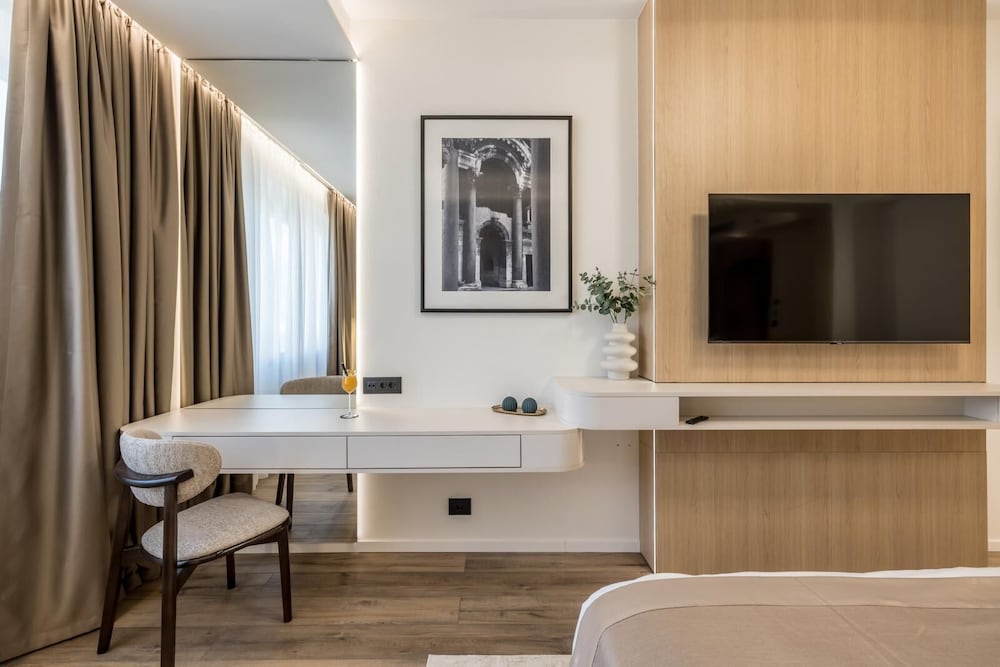
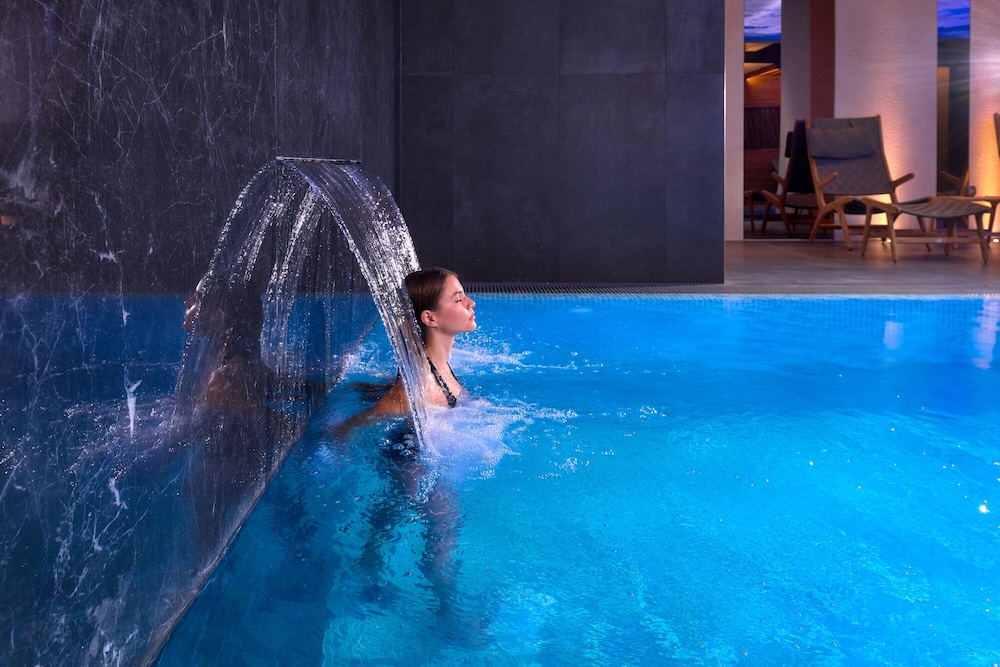



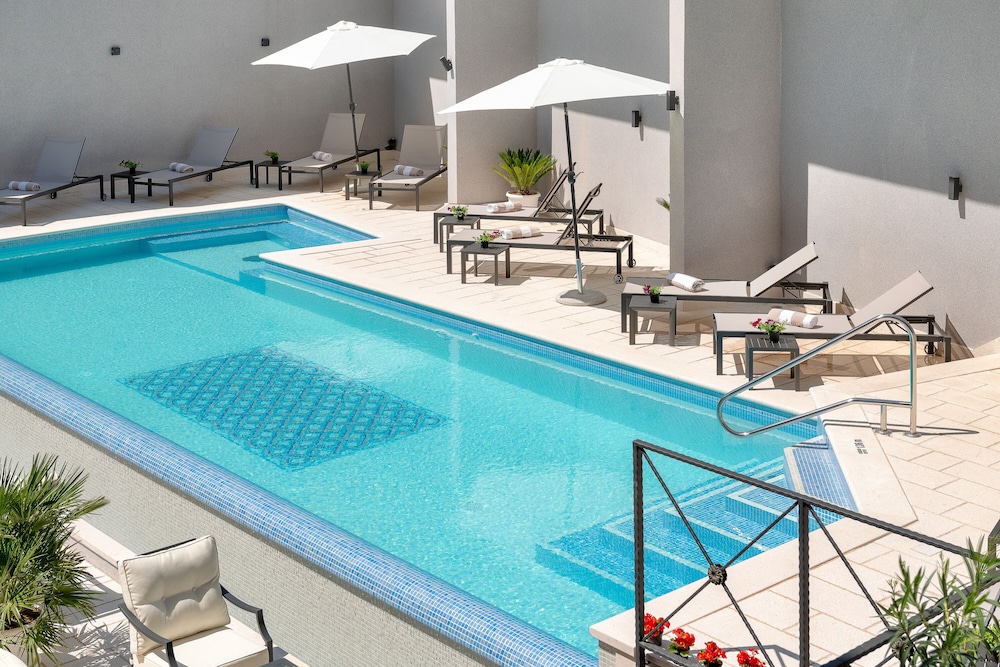
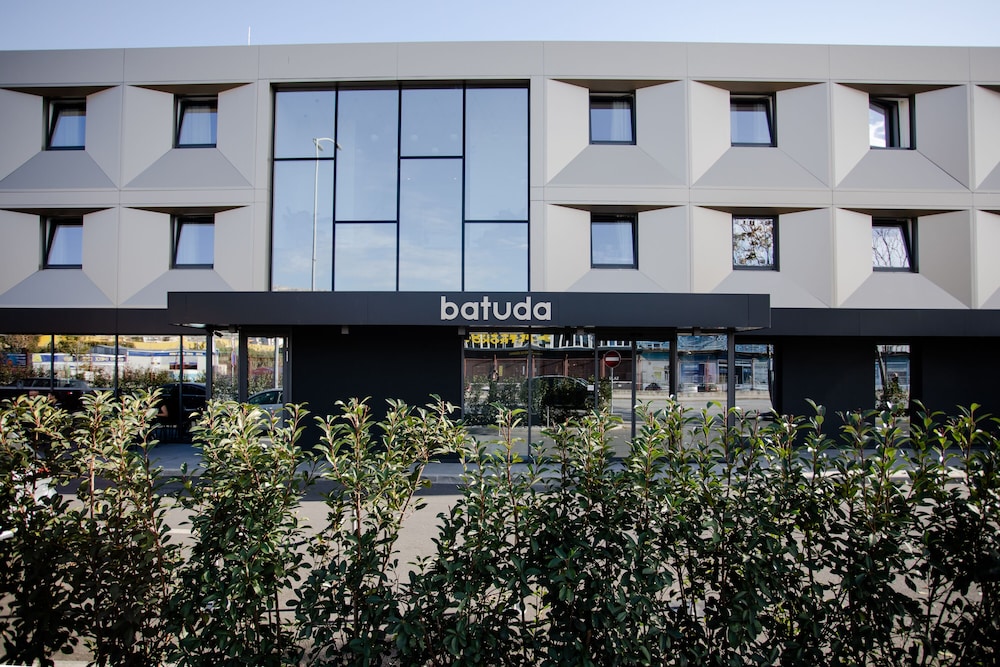

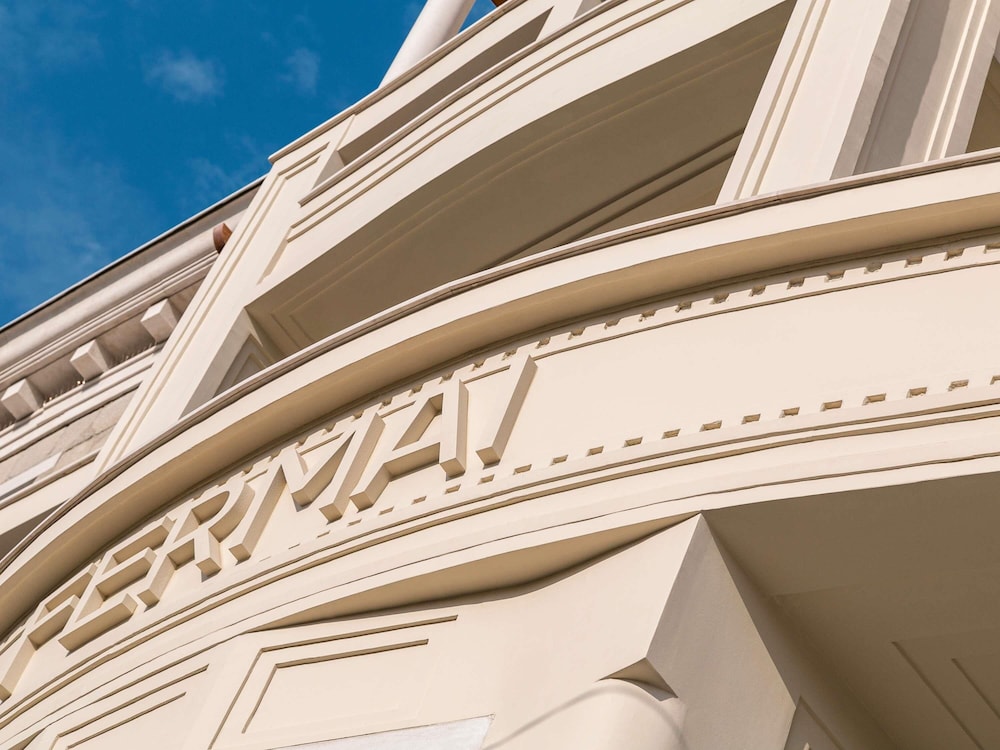
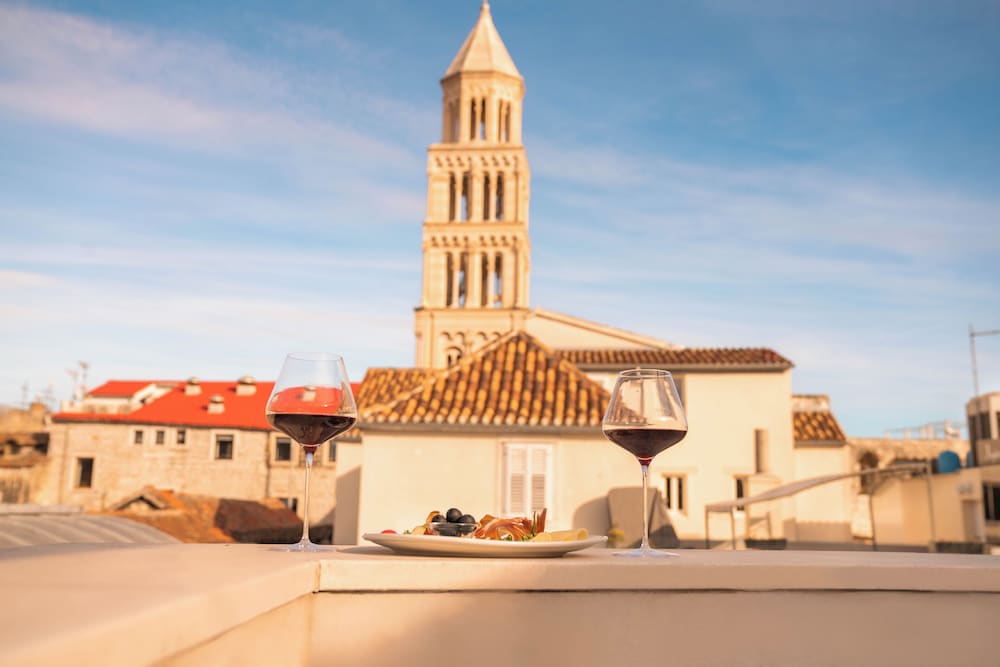
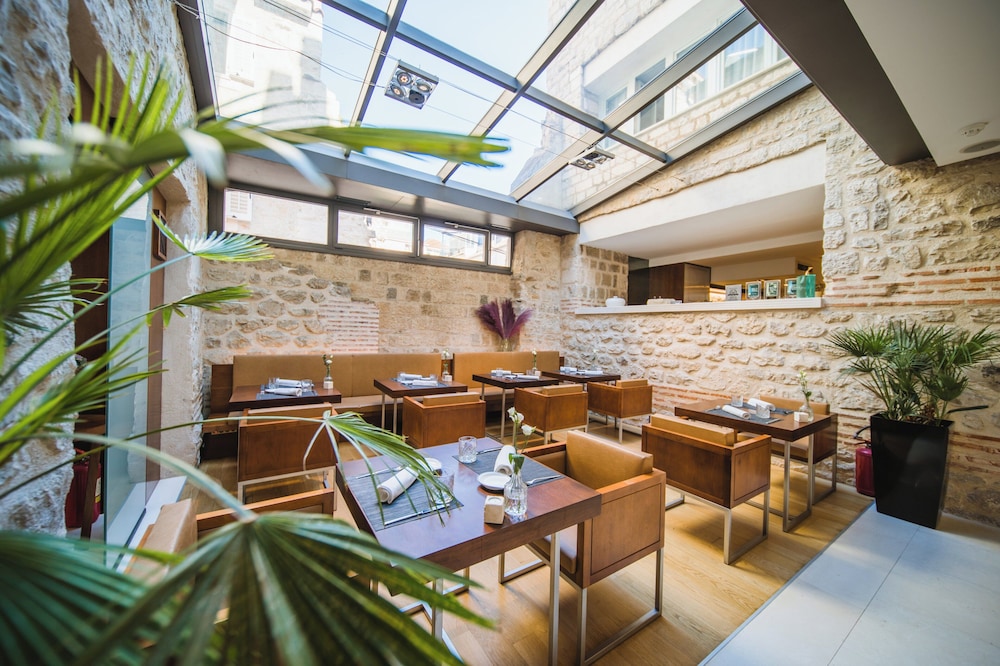
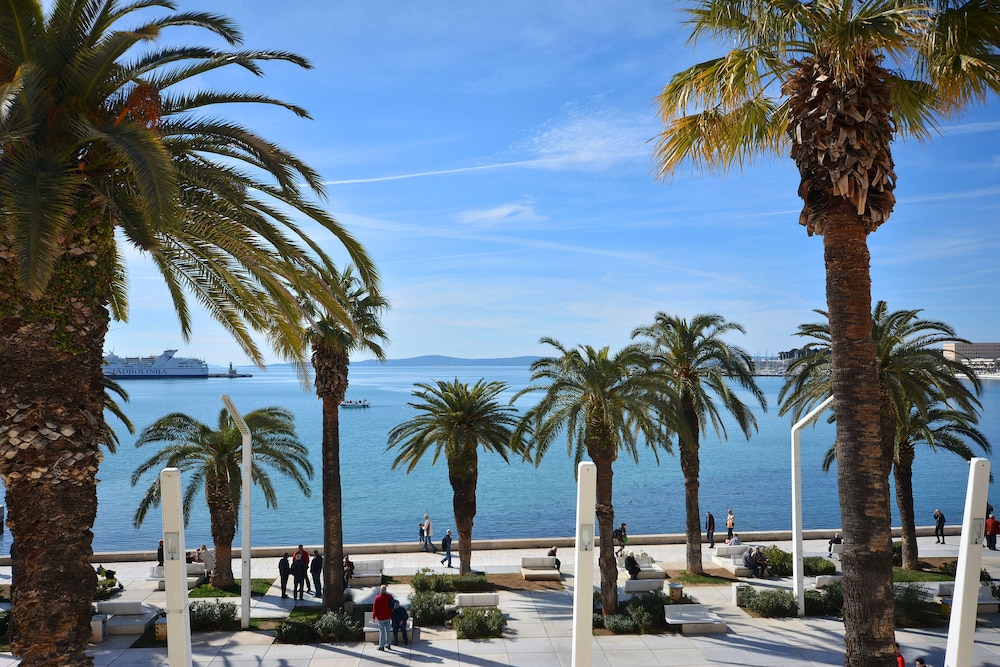
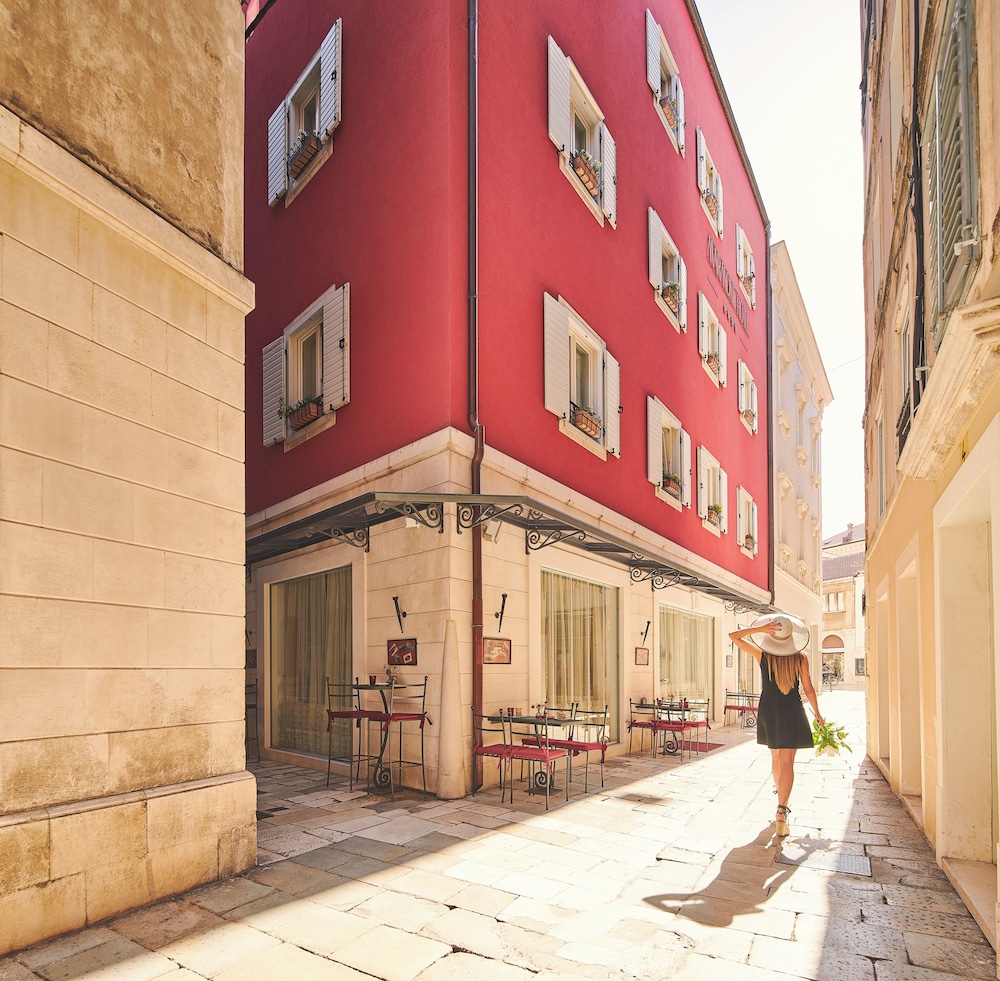
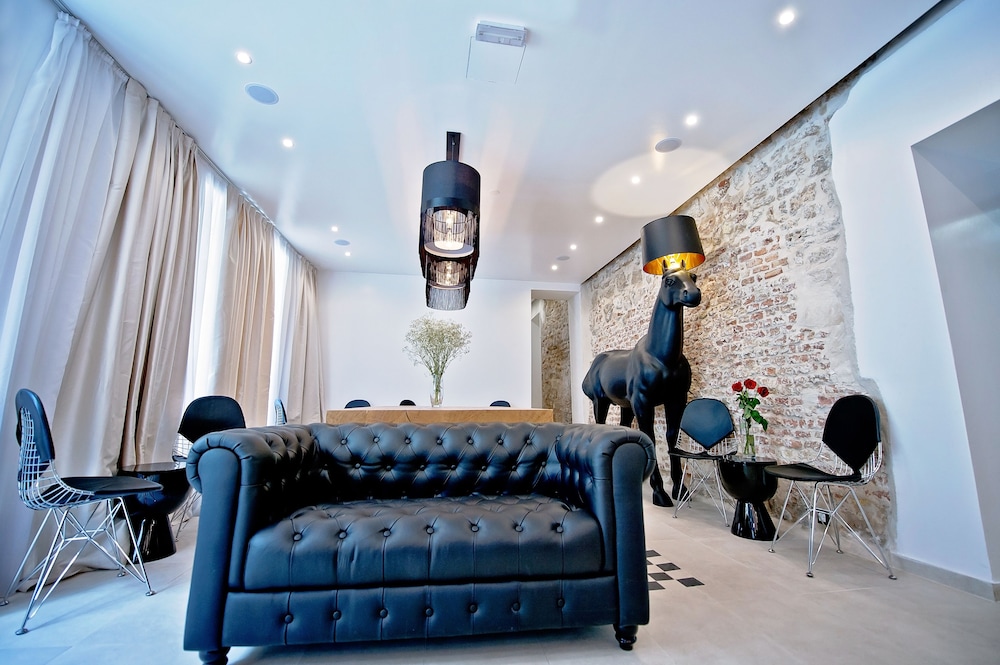
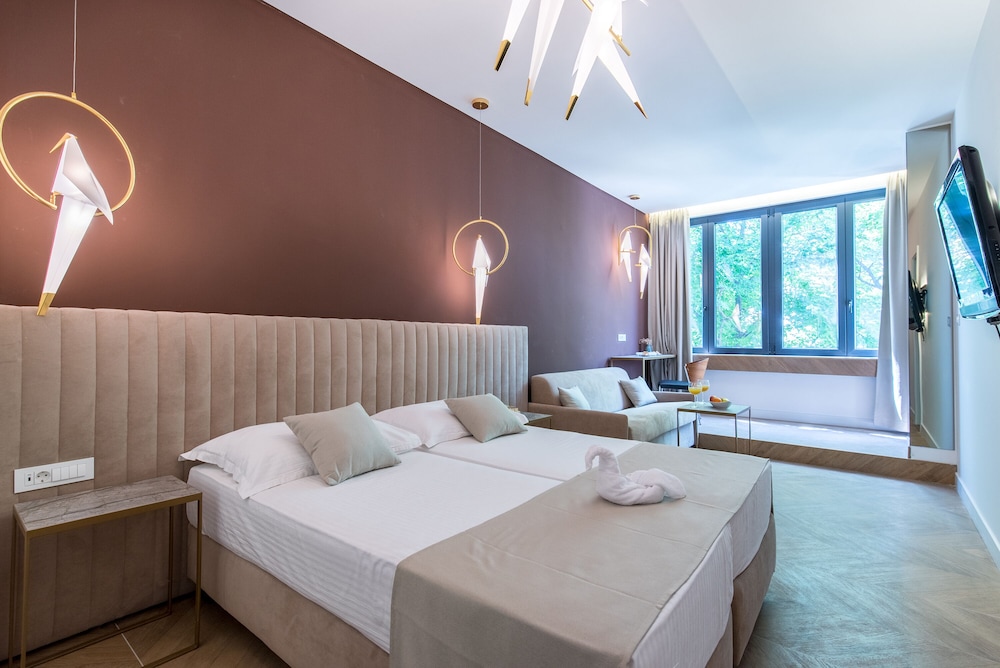
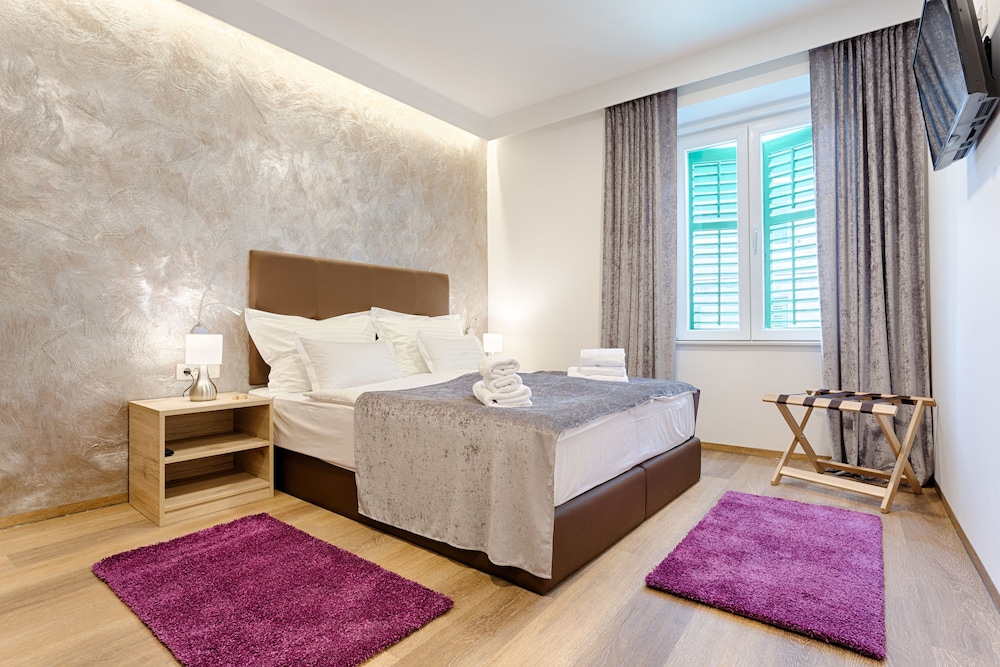

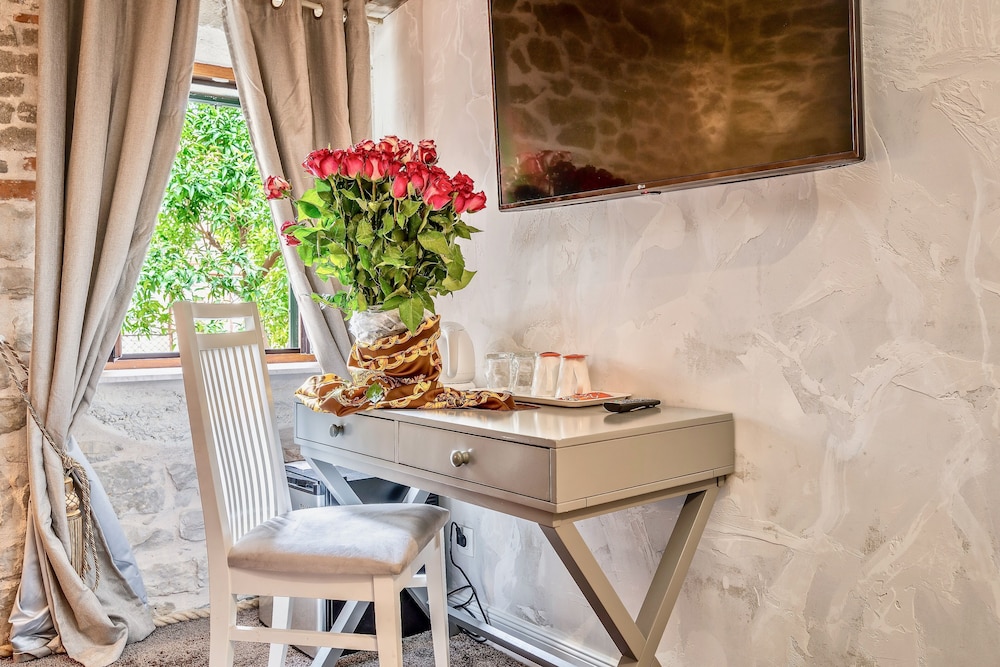
Search live rates in Split
Pick your dates — every Split room with a live price, in one list.
Free cancellation on most rooms · 1 t CO₂ removed per booking, at no extra cost.
About Split
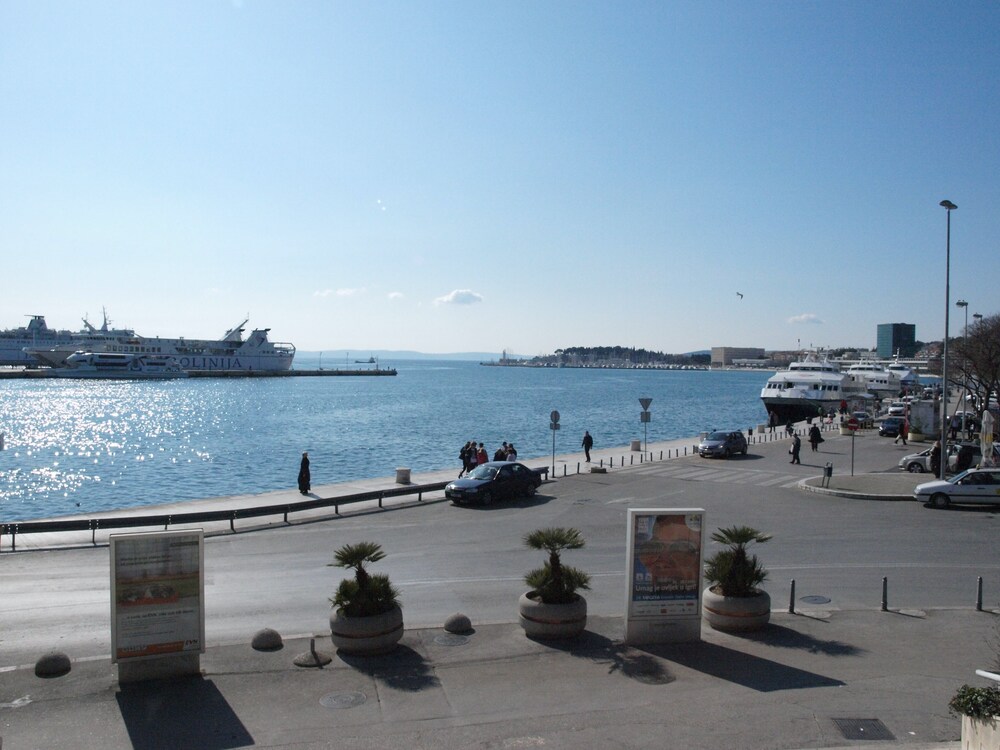
Beyond the old town, Split spreads along the coast and up the slopes of Marjan hill, a wooded peninsula with walking paths and beaches. The city has a busy port, a working fishing harbour, and several beaches within easy reach of the centre, including Bačvice, known for its shallow sand and traditional game of picigin. With over 4000 hotels listed on our site, accommodation ranges from large resorts to small guesthouses, and the average guest score is 4.4 out of 5. Whether you come for history, nightlife, or island hopping, Split serves as a practical base for exploring central Dalmatia.
Where to stay in Split
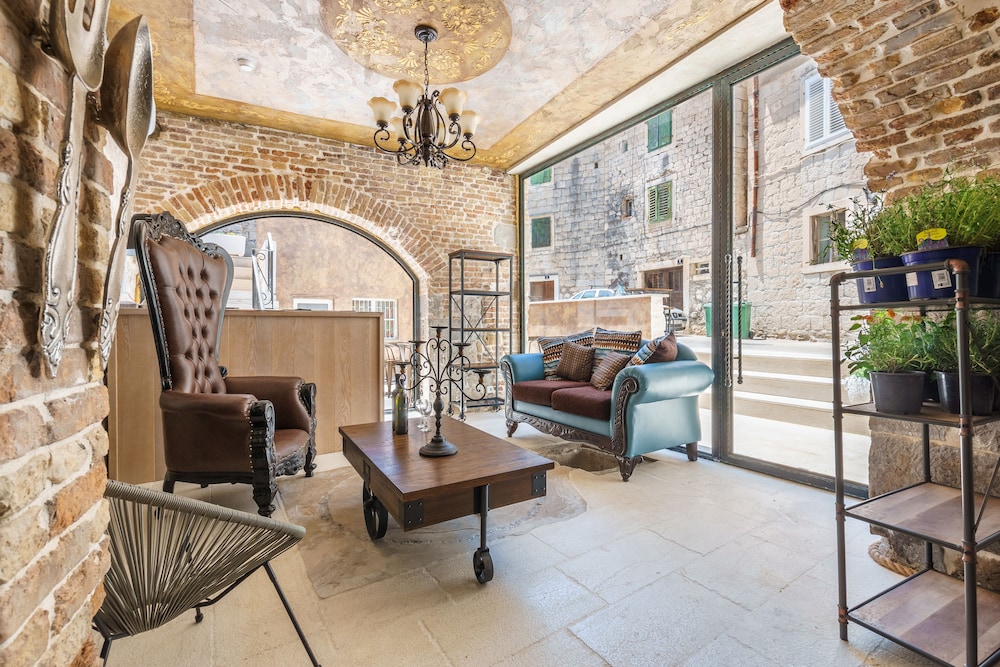
Old Town (Diocletian's Palace). Staying inside the palace walls puts you within steps of ancient streets, restaurants, and the Riva promenade, though rooms can be small and noise levels higher in summer.
Bačvice. This area near the sandy Bačvice beach is popular for its proximity to the sea and a short walk to the old town, with a mix of hotels and apartments.
Žnjan. A quieter coastal neighbourhood east of the centre, Žnjan has a long pebble beach and several resorts, making it suitable for families and those who prefer a relaxed setting.
Marjan. The wooded peninsula west of the old town offers peaceful streets, scenic walking trails, and beaches, with some hotels enjoying sea views.
Getting there and around
Split Airport is located about 20 kilometres west of the city, near Trogir, with frequent flights from European cities. From the airport, buses and taxis run to the centre, and the journey takes around 30 minutes depending on traffic. Split is also connected by train and bus to Zagreb and other Croatian cities, and by ferry to islands and to Ancona in Italy. Dubrovnik is about 230 kilometres to the southeast, reachable by bus or car via the coastal road. Within Split, most of the old town is pedestrian-only, so walking is the best way to get around. Local buses cover the wider city, and taxis are available, though they can be scarce during peak times.
When to go
The best time to visit Split is from May to June or September to October, when the weather is warm but the summer crowds are smaller. July and August are the busiest and hottest months, with temperatures often above 30°C. Winter is mild but quieter, with some restaurants and attractions operating reduced hours. Rain is possible in autumn and winter, while spring and early summer are generally dry and sunny.
Questions, answered
Is Split a good base for visiting the islands?
Yes, Split has a large port with frequent ferries and catamarans to islands such as Brač, Hvar, Šolta, and Vis. The journeys range from about an hour to a few hours, making day trips possible.
What is the best way to get around Split?
The old town is compact and best explored on foot. For areas outside the centre, local buses are useful, and taxis are available. Renting a car is an option for exploring the surrounding region.
What is the local currency and are credit cards accepted?
Croatia uses the euro. Credit cards are widely accepted in hotels, restaurants, and shops, but it is advisable to carry some cash for smaller establishments and markets.
Is Split expensive?
Split can be more expensive during the peak summer season, especially for accommodation and dining in the old town. Prices tend to be lower in the shoulder months and outside the main tourist areas.
What are the must-see attractions in Split?
Diocletian's Palace, the Riva promenade, Marjan hill, and Bačvice beach are among the most popular. The palace cellars, the cathedral, and the ancient streets of the old town are also worth exploring.
How far is Dubrovnik from Split?
Dubrovnik is about 230 kilometres southeast of Split, a journey of roughly three to four hours by car or bus along the coast. There are also seasonal catamaran services between the two cities.