Stays in Pula
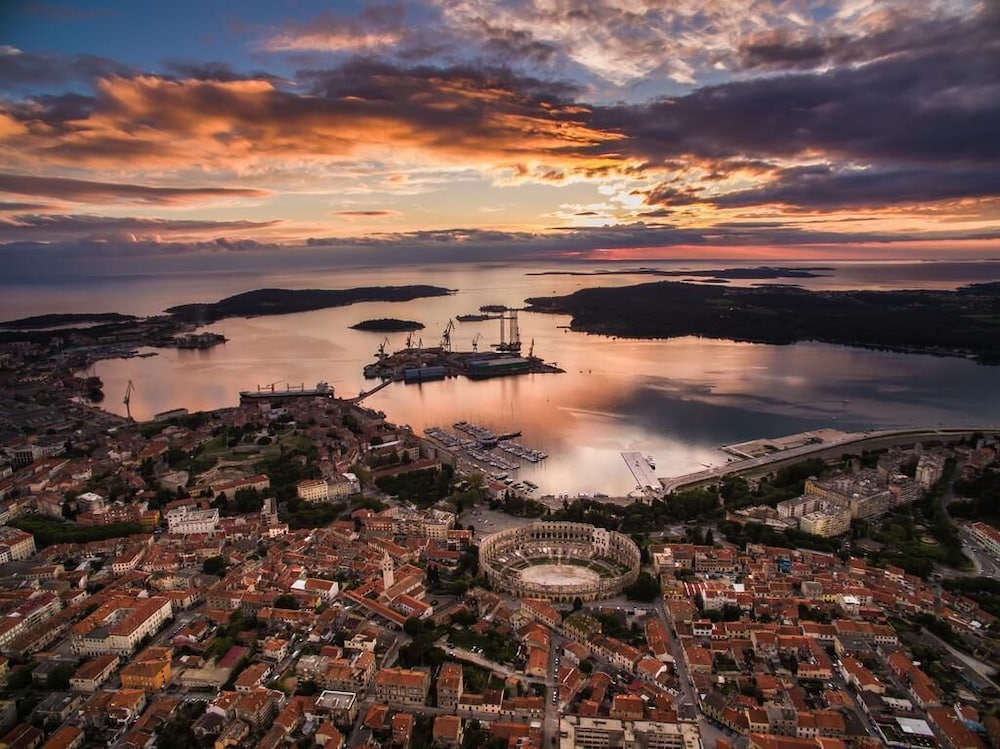
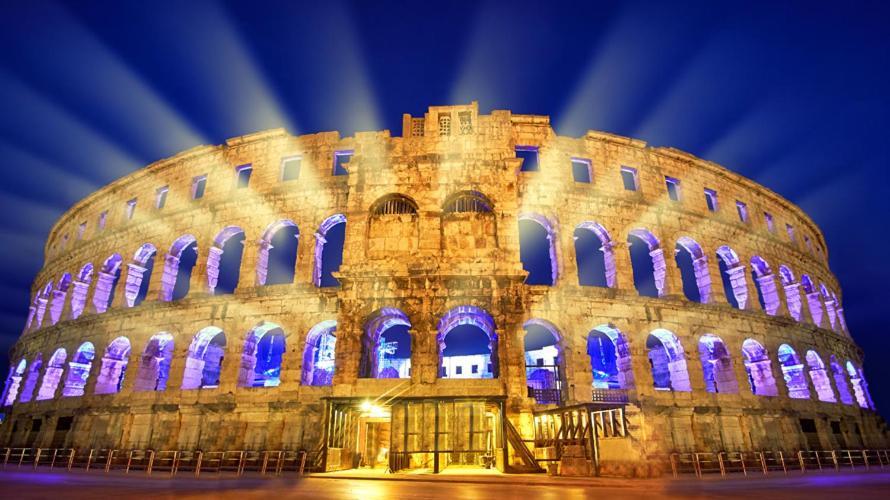
Pula, Croatia's largest city on the Istrian peninsula, is known for its well-preserved Roman monuments, most notably the Arena, one of the six largest surviving Roman amphitheatres in the world. The city's history spans millennia, with Venetian, Austro-Hungarian, and Italian influences visible in…
Every stay in Pula
Recent rates first, then the best-reviewed rooms. · page 1 of 2

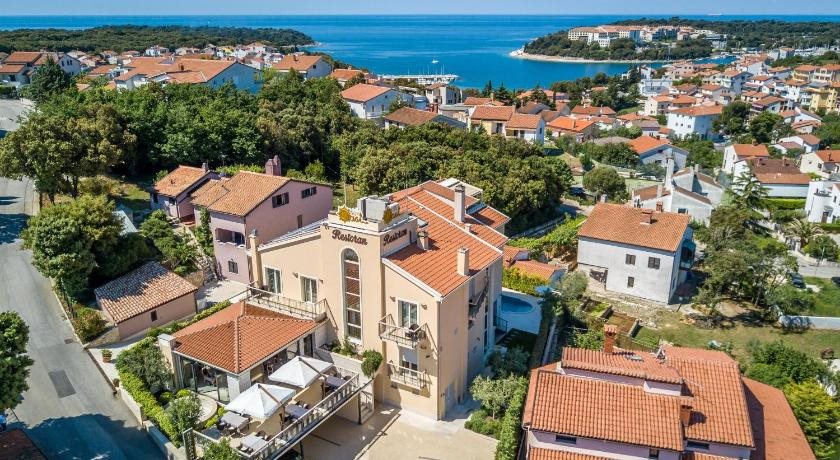
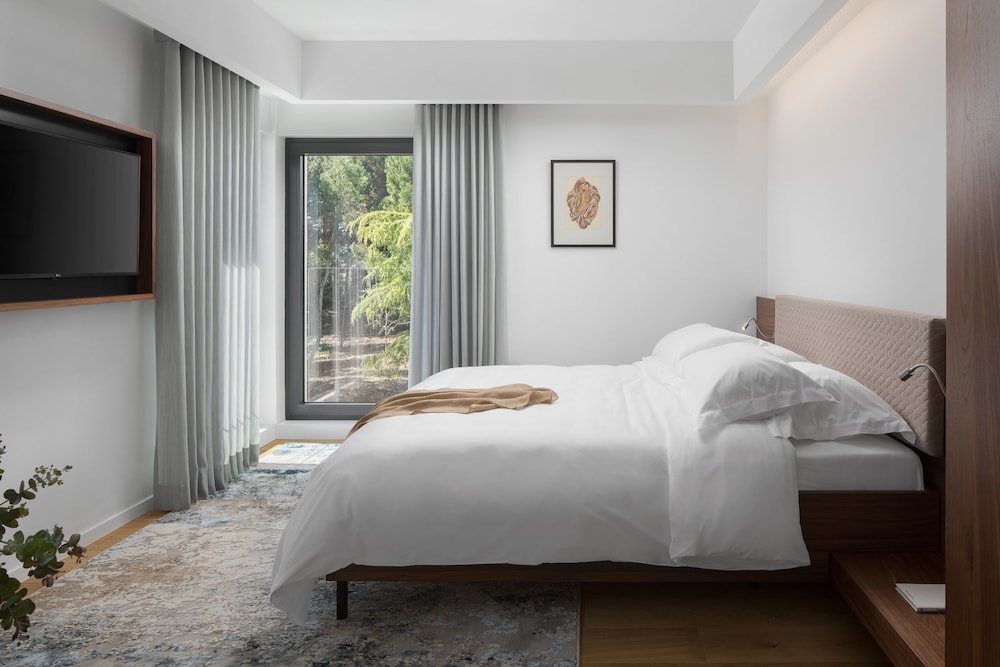
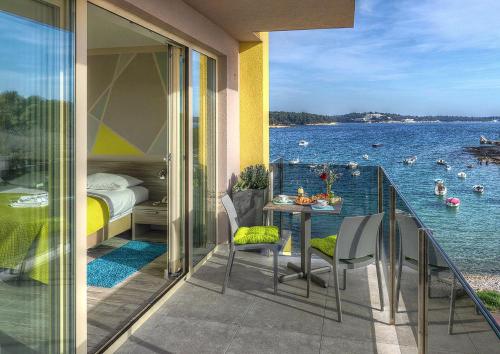
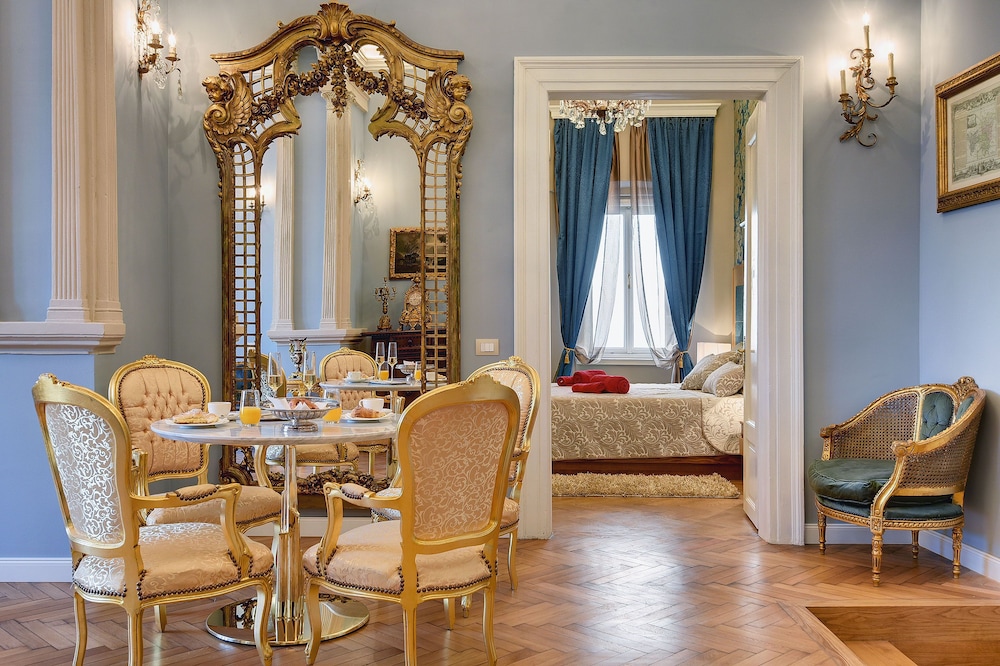
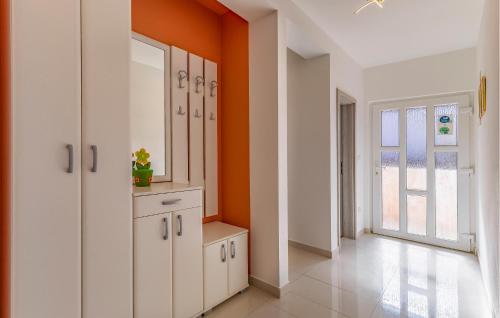
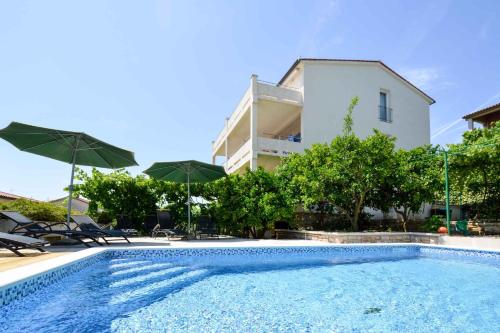
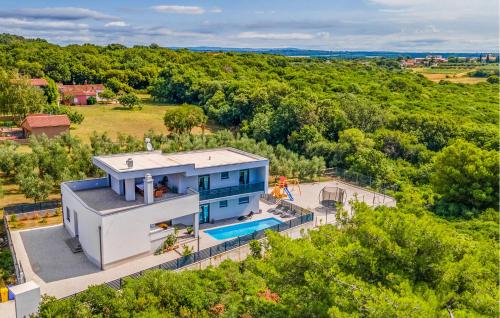
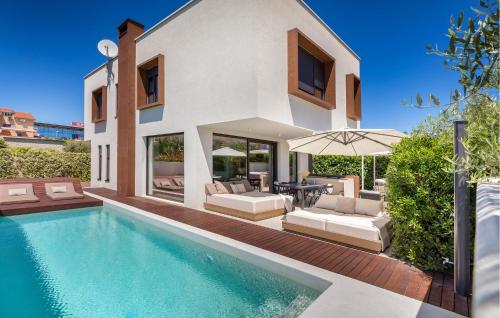
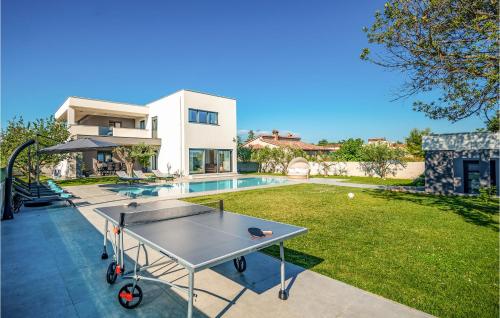
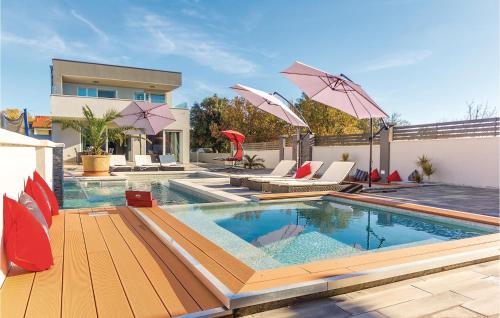
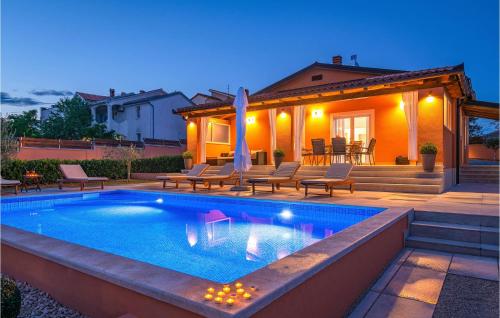
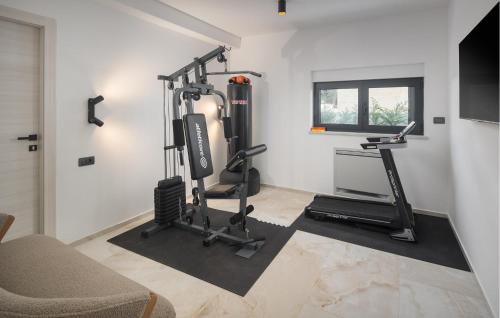
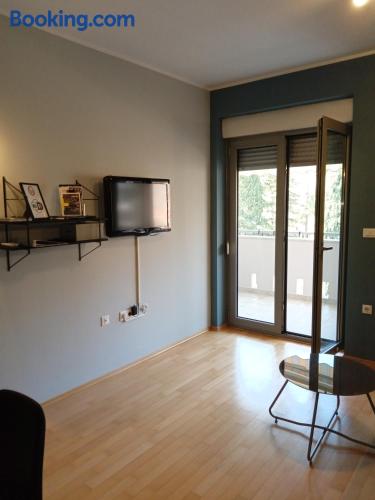
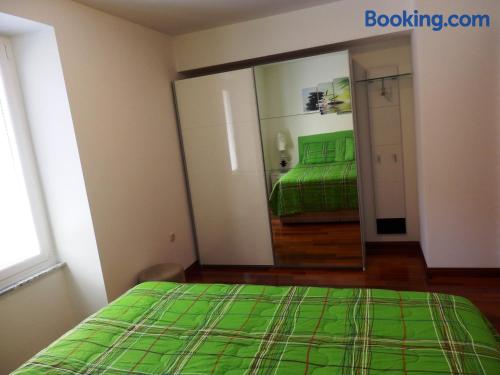
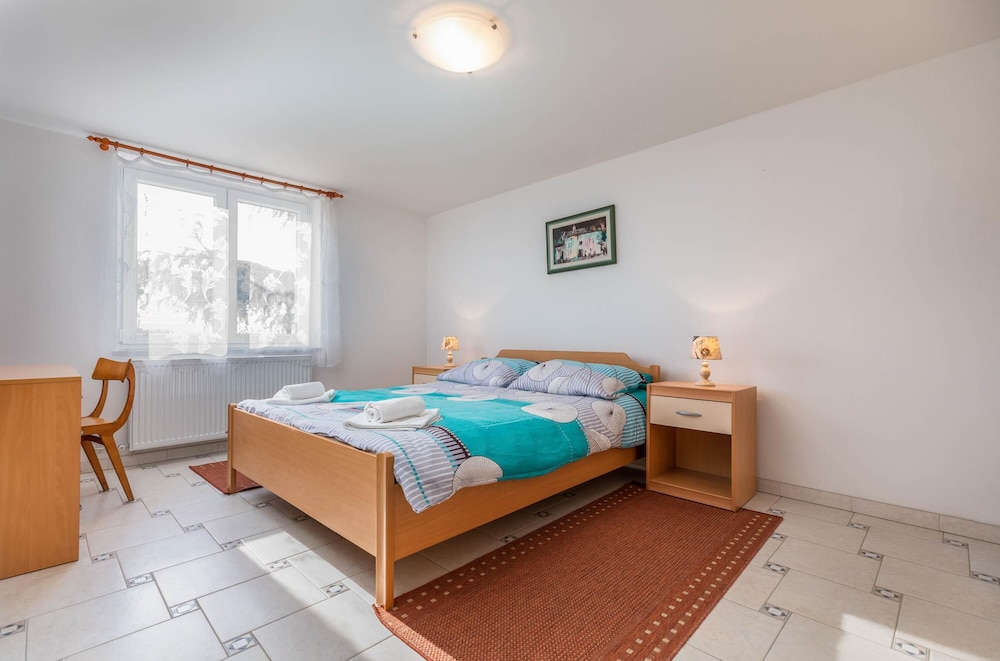
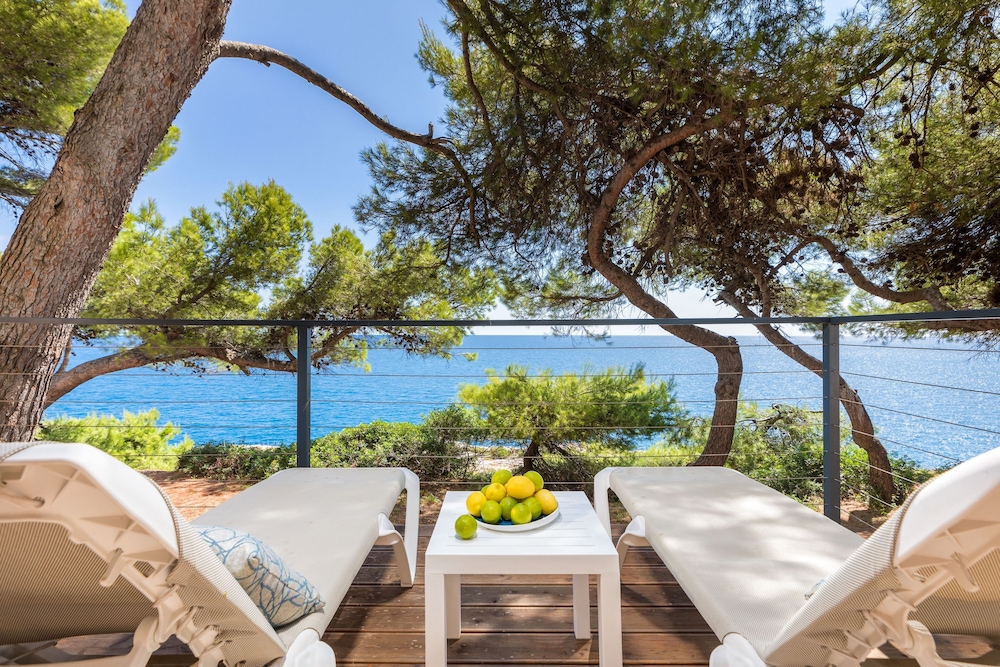
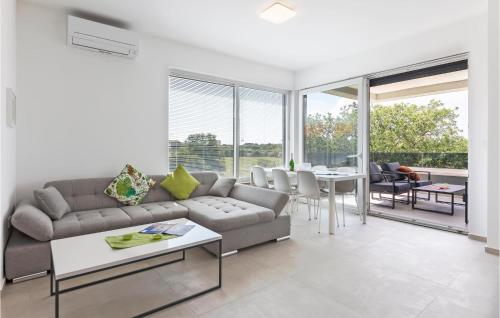
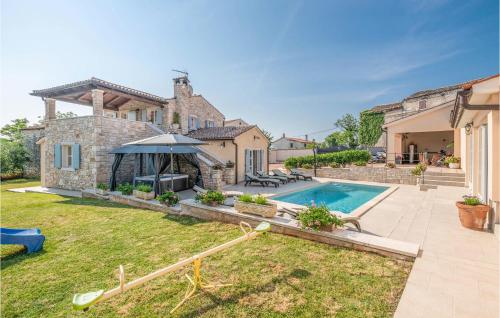
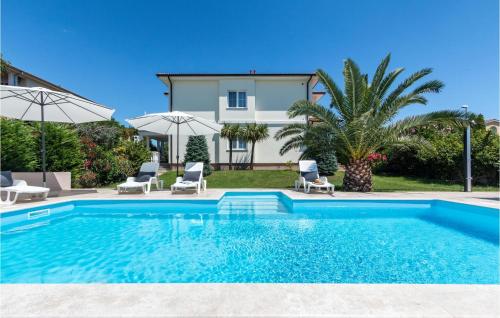
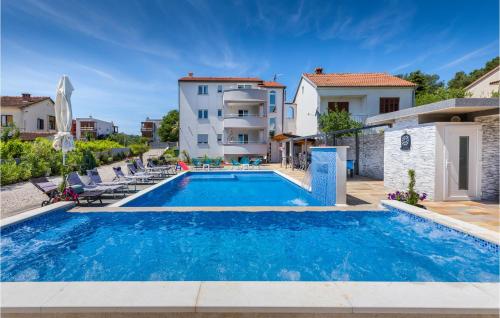
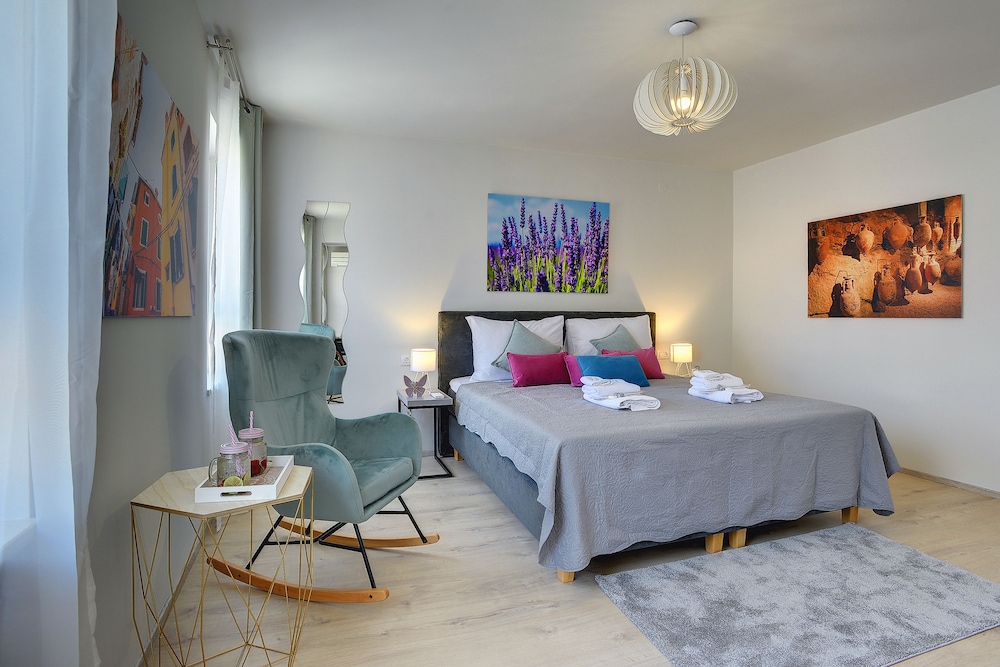
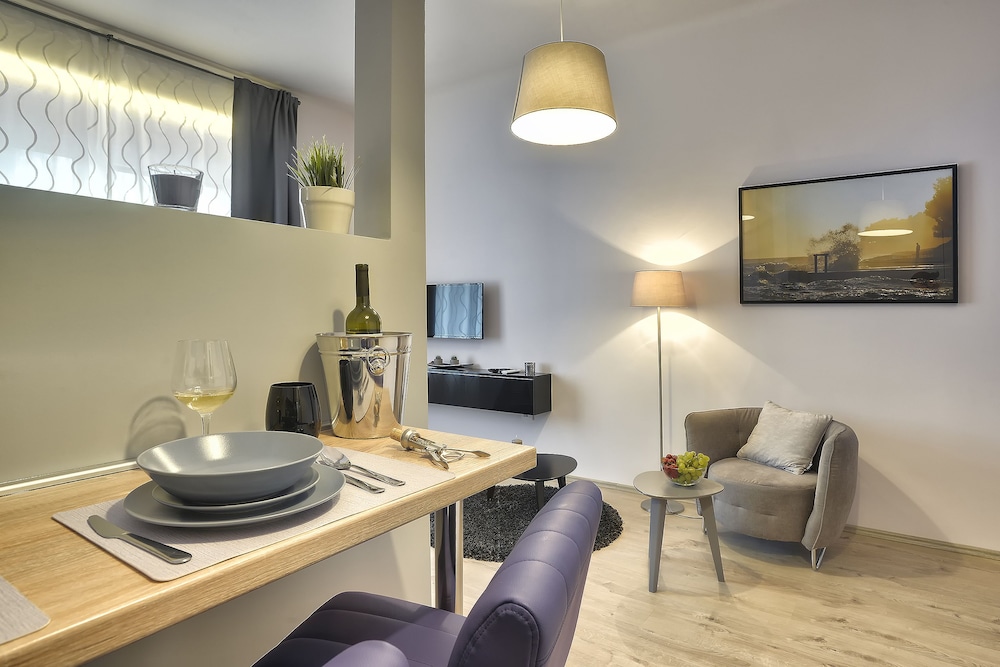
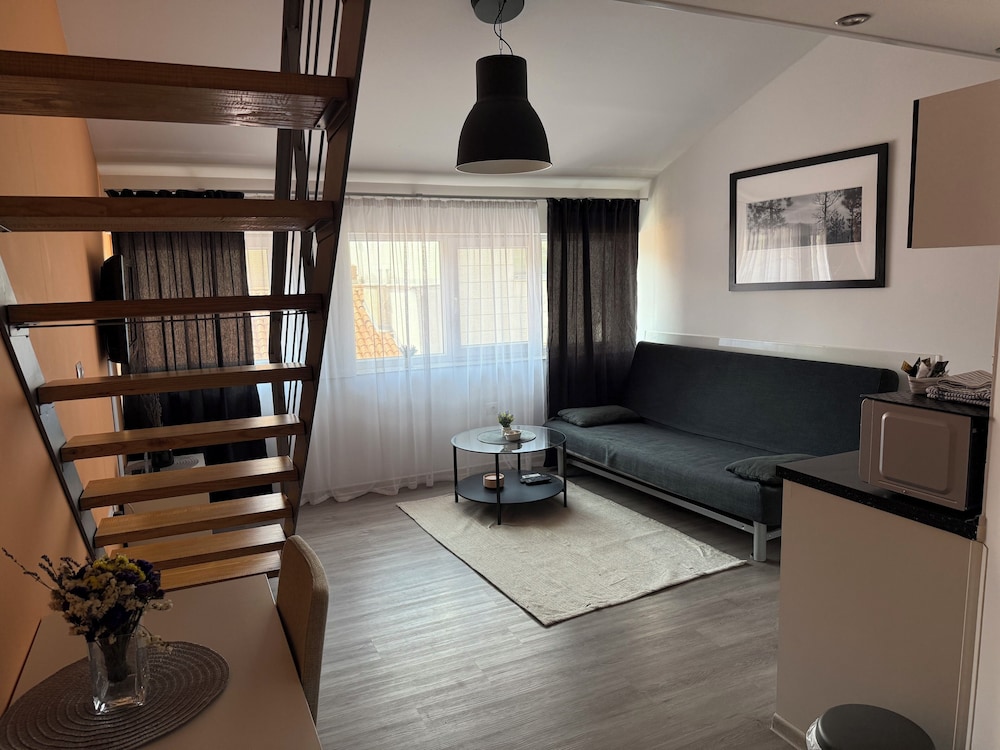

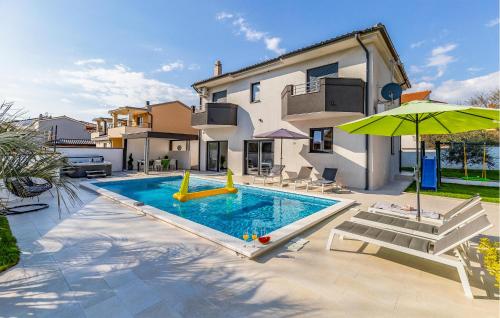
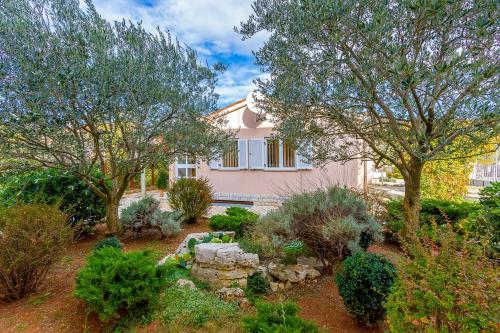
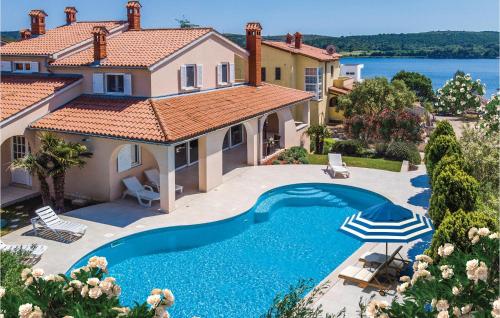
Search live rates in Pula
Pick your dates — every Pula room with a live price, in one list.
Free cancellation on most rooms · 1 t CO₂ removed per booking, at no extra cost.
About Pula
Pula is also a major port and industrial centre, but its coastal location offers numerous beaches and a mild Mediterranean climate. The city has a lively cultural calendar, including the Pula Film Festival held in the Arena, and a growing culinary scene focused on Istrian specialities such as truffles, seafood, and local wines. With its mix of ancient heritage and modern amenities, Pula attracts visitors interested in history, beach holidays, and exploring the Istrian countryside.
Where to stay in Pula
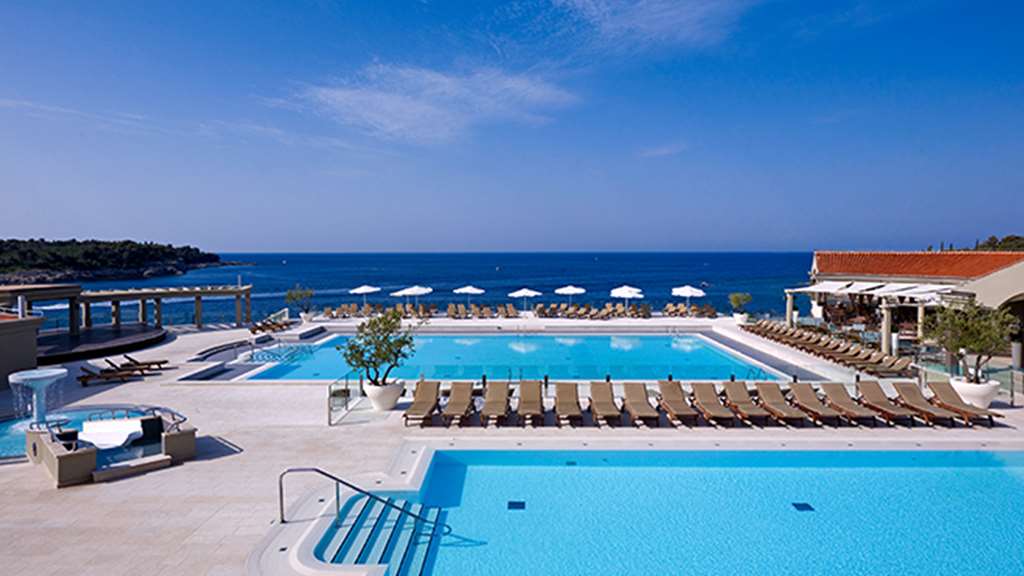
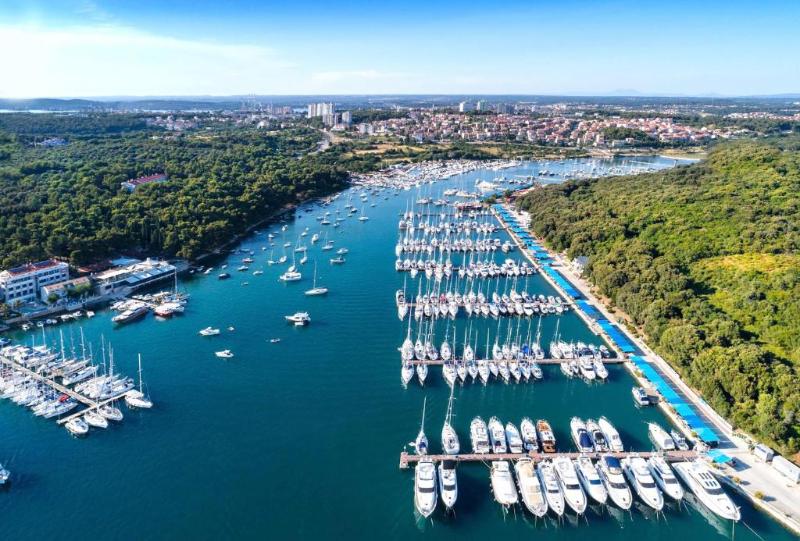
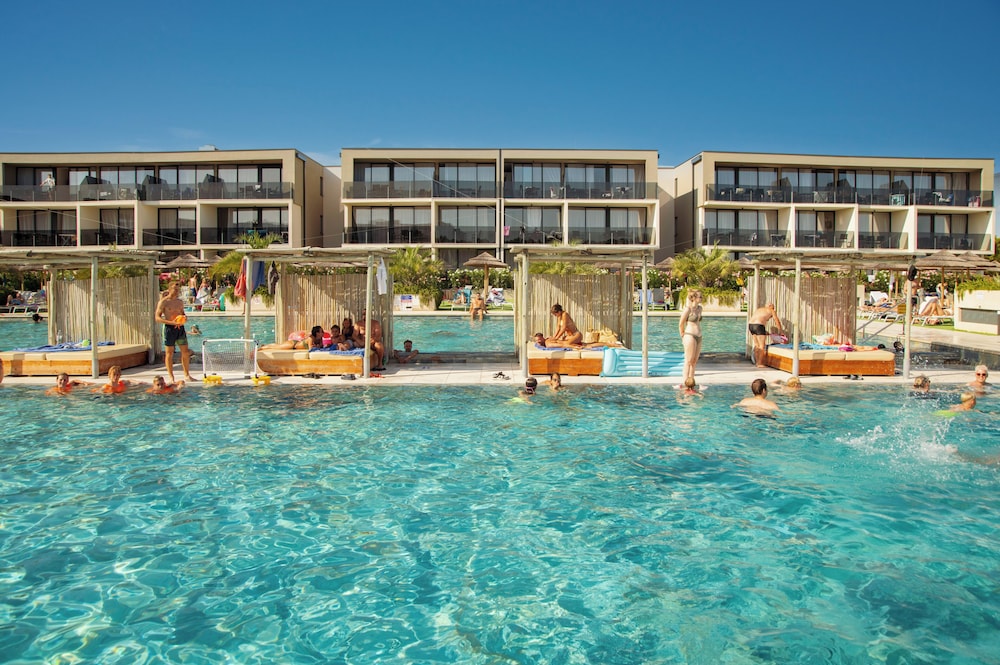
Verudela. A resort area on the Verudela peninsula, about 3 km from the city centre, with hotels, beaches, and a marina. It is popular for family holidays and water sports.
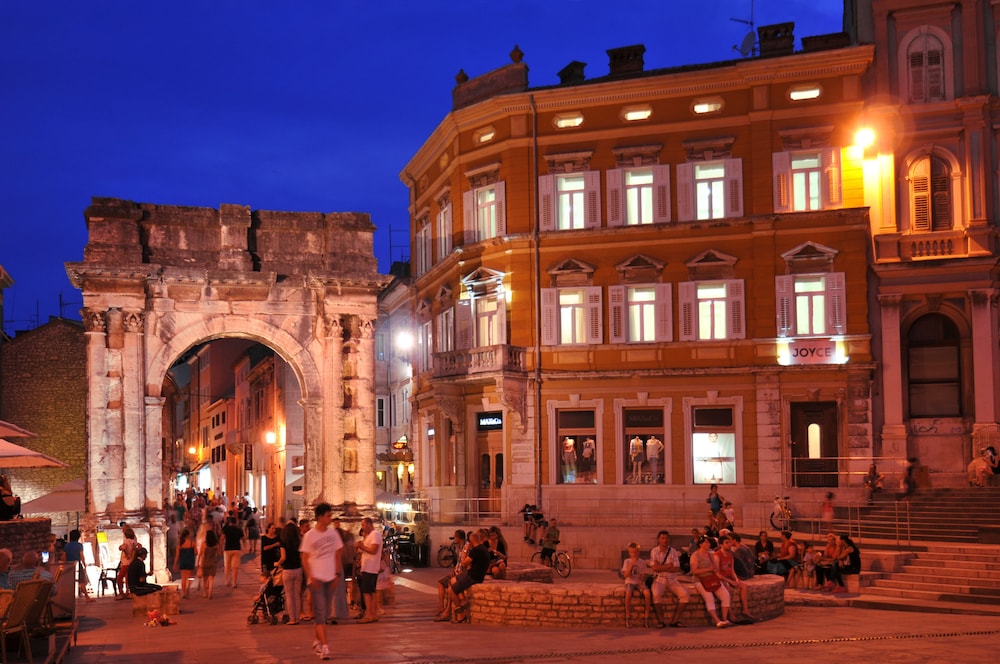
Old Town (Centar). The historic core around the Forum and Arena, offering easy access to Roman sites, museums, restaurants, and bars. Accommodation here ranges from boutique hotels to apartments.
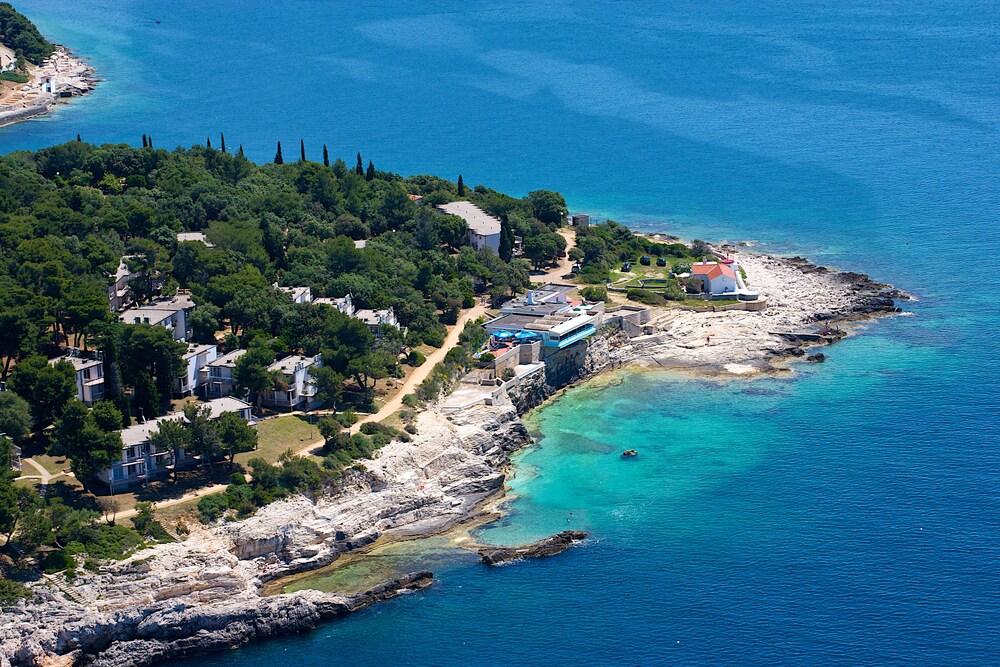
Zlatne Stijene. A coastal area south of the centre known for its rocky beaches and clear water. It is home to several hotels and resorts, and is quieter than the city centre.
Štinjan. A suburban area northwest of Pula, close to the Brijuni National Park ferry port. It offers a more local atmosphere with some hotels and campsites.
Getting there and around
Pula is served by Pula Airport, located about 6 km from the city centre, with flights from several European cities. Alternatively, you can reach Pula by bus from Zagreb, Rijeka, or Trieste, or by car via the Istrian Y highway. Dubrovnik is far to the southeast, and reaching Pula from there typically involves a long drive or a flight. Within Pula, local buses connect the centre with suburbs and resort areas, but walking is ideal in the old town. Taxis and rental cars are available for exploring the wider region.
When to go
The best time to visit Pula is from May to June and September to October, when the weather is warm and pleasant without the peak summer crowds. July and August are the busiest and hottest months, with temperatures often above 30°C, ideal for beach activities but crowded. Winter is mild but can be rainy, and many tourist facilities are closed. Spring and autumn also host cultural events and are good for sightseeing.
Questions, answered
What is Pula known for?
Pula is known for its Roman amphitheatre, the Arena, and other Roman ruins such as the Temple of Augustus and the Arch of the Sergii. It is also a popular summer destination with beaches and a lively cultural scene.
How do I get to Pula?
You can fly to Pula Airport from various European cities, or take a bus or drive from other parts of Croatia and neighbouring countries. Pula is well connected by road and sea.
What is the best time to visit Pula?
The best time is late spring or early autumn, from May to June or September to October, when the weather is pleasant and there are fewer crowds.
Is Pula a good destination for families?
Yes, Pula has many family-friendly beaches, resorts, and activities. The Verudela area, in particular, is popular with families for its beaches and amenities.
What local food should I try in Pula?
Istrian cuisine features seafood, truffles, and local wines like Malvazija. Try dishes such as fuži with truffles, or grilled fish with olive oil.