Stays in Sisak
Sisak is a city in central Croatia, situated at the confluence of the Kupa, Sava, and Odra rivers. It is one of the oldest continuously inhabited settlements in the country, with a history that includes Roman Siscia and later roles as a fortress town and industrial centre. The city is known for its…
Every stay in Sisak
Recent rates first, then the best-reviewed rooms.
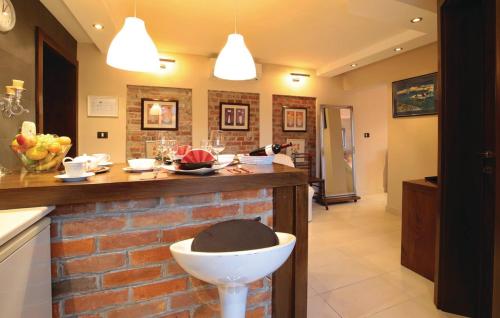

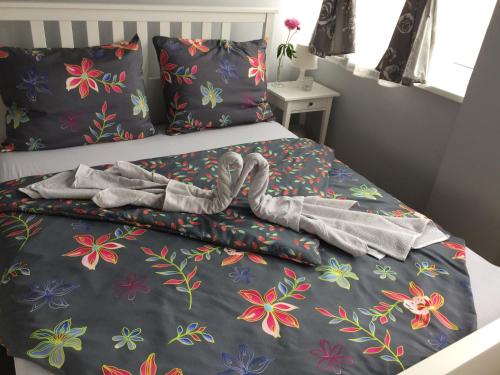
Search live rates in Sisak
Pick your dates — every Sisak room with a live price, in one list.
Free cancellation on most rooms · 1 t CO₂ removed per booking, at no extra cost.
About Sisak
Sisak serves as the administrative seat of Sisak-Moslavina County. Its economy has historically been tied to river transport, oil refining, and metalworking, and it remains an important inland port. The cityscape mixes Austro-Hungarian-era buildings, socialist-era blocks, and green spaces along the rivers. Cultural life includes the Croatian 19th-century poet Antun Gustav Matoš, who was born in nearby Tovarnik but lived in Sisak as a child, and the city has a theatre and museum dedicated to local history.
Visitors come for the confluence viewpoints, the Old Town, and events such as the Sisak Summer Festival. The city is also a gateway to the Lonjsko Polje Nature Park, a wetland area known for its traditional wooden architecture and stork colonies.
Where to stay in Sisak
Centar. The central area around the main square and pedestrian zone offers easy access to shops, cafes, and the Sisak Old Town fortress. It is the most convenient base for exploring the city on foot.
Zeleni Brijeg. A residential neighbourhood on a hill overlooking the city, known for its quiet streets and views of the Kupa and Sava rivers. It is close to the Sisak hospital and several schools.
Novi Sisak. Located on the left bank of the Kupa, this area developed during the industrial period and includes the railway station and bus terminal. It has a mix of housing and commercial buildings.
Galdovo. A suburban settlement north of the city centre, along the road to Zagreb. It is home to several hotels and guesthouses and provides quick access to the A11 motorway.
Getting there and around
Sisak is about 50 kilometres southeast of Zagreb, the capital of Croatia. It is connected by road via the A11 motorway or the older state road D36. The main railway station in Novi Sisak has direct trains to Zagreb and other parts of Croatia. Buses also run frequently from Zagreb and other cities. Within Sisak, local buses and taxis serve the city, but many central attractions are within walking distance of each other. Cycling is popular along the riverbanks.
When to go
The best time to visit Sisak is from May to September, when the weather is warm and outdoor events take place. The Sisak Summer Festival, held in June, features concerts and cultural performances. Spring and autumn are also pleasant for walking and cycling, though some riverside paths may be muddy after rain. Winter can be foggy and cold, but the city's museums and cafes remain open.
Questions, answered
What is Sisak known for?
Sisak is known for its location at the confluence of three rivers, its Roman heritage as Siscia, and the 16th-century Old Town fortress. It is also a gateway to the Lonjsko Polje Nature Park.
How do I get to Sisak from Zagreb?
You can reach Sisak by train from Zagreb's main railway station, by bus, or by car via the A11 motorway. The journey takes around an hour.
What are the main sights in Sisak?
The main sights include the Old Town fortress, the Segestica archaeological park, the confluence of the Kupa and Sava rivers, and the Sisak Municipal Museum.
Is Sisak a good base for visiting Lonjsko Polje?
Yes, Sisak is a convenient base for day trips to Lonjsko Polje Nature Park, which is about 30 kilometres to the east. The park is known for its traditional villages and birdlife.
What is the local cuisine like in Sisak?
Local cuisine features freshwater fish from the rivers, such as carp and catfish, often prepared in stews or grilled. Traditional dishes also include cured meats and cheeses from the region.