Stays in Rijeka
Rijeka is Croatia's principal seaport, located on the Kvarner Gulf in the northern Adriatic. It is the country's third-largest city and a major transport hub, with a history that includes Roman settlement, Habsburg rule, and a brief period as a free state after World War I. The city's identity is…
Every stay in Rijeka
Recent rates first, then the best-reviewed rooms.

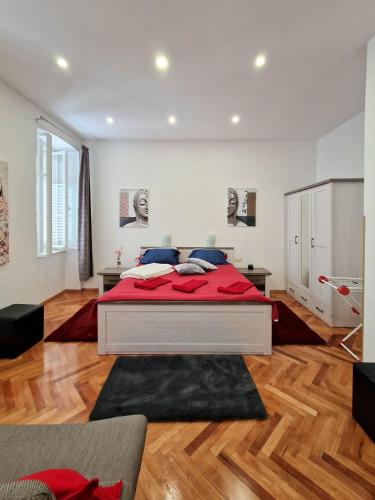
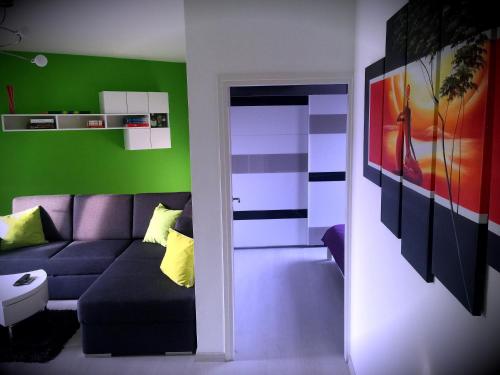
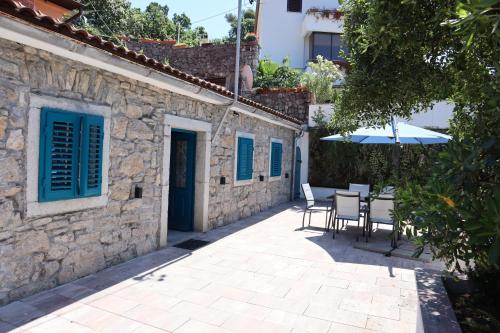
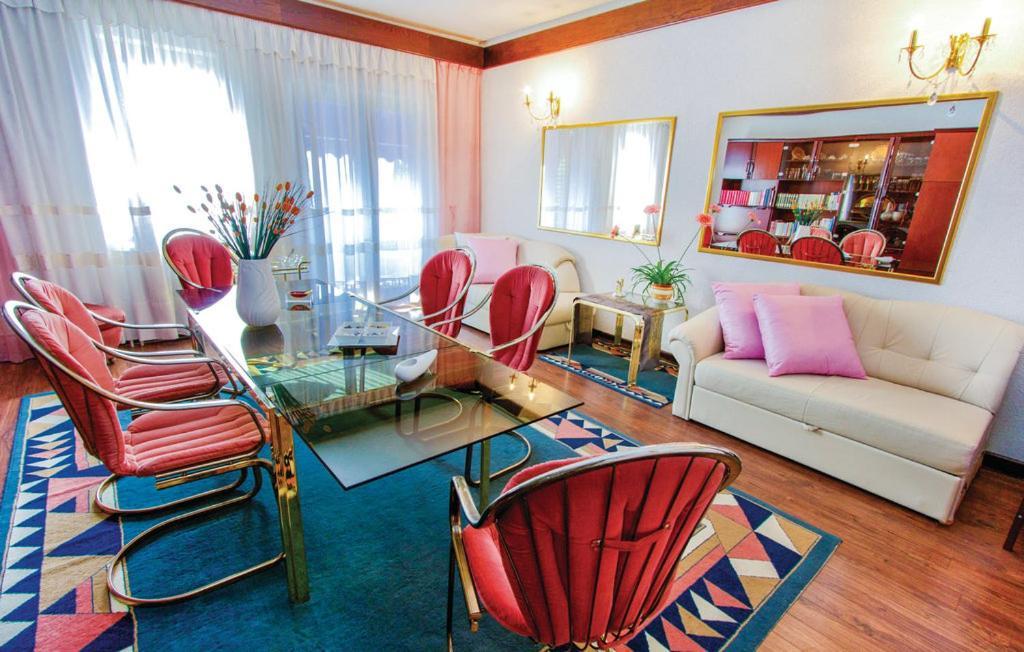


Search live rates in Rijeka
Pick your dates — every Rijeka room with a live price, in one list.
Free cancellation on most rooms · 1 t CO₂ removed per booking, at no extra cost.
About Rijeka
Unlike the more polished tourist towns along the coast, Rijeka retains a lived-in, urban character. The Korzo, a wide pedestrian street lined with cafes and shops, is the main gathering place. Above the city, the Trsat Castle offers views over the bay and the islands of Krk and Cres. The city is also known for its carnival, which is one of the largest in Croatia, and for its proximity to beaches and hiking trails on the nearby coast and in the hinterland.
For visitors, Rijeka works well as a base for exploring the Kvarner region, including Opatija, the islands, and the mountains of Gorski Kotar. It is not a resort town, but it offers a mix of history, culture, and everyday city life that is distinct from the more tourist-oriented destinations to the south.
Where to stay in Rijeka
Center. The city center, around the Korzo and the main square, puts you within walking distance of most sights, restaurants, and the ferry port.
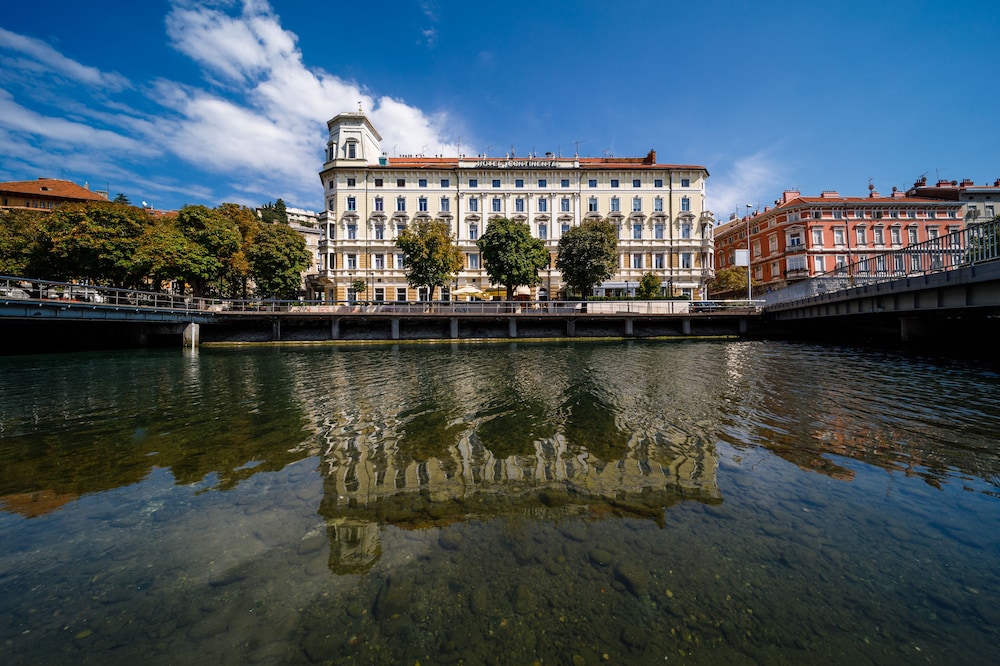
Ploechi. A central neighborhood just east of the Korzo, known for its 19th-century buildings and proximity to the market and the Croatian National Theatre.
Trsat. A hilltop area above the city, home to Trsat Castle and the Church of Our Lady of Trsat, with views over the bay and a quieter atmosphere.
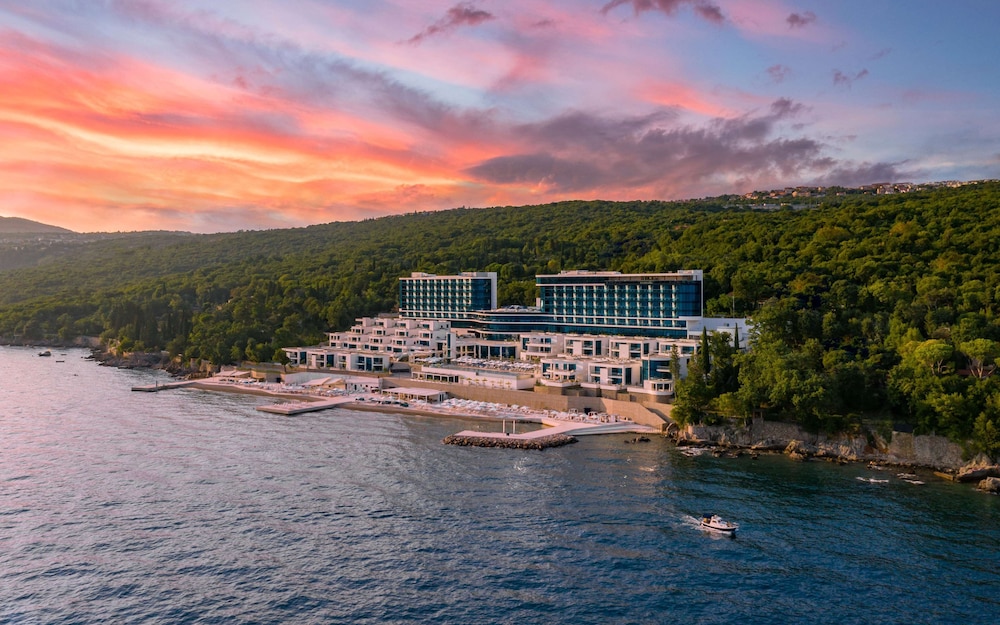
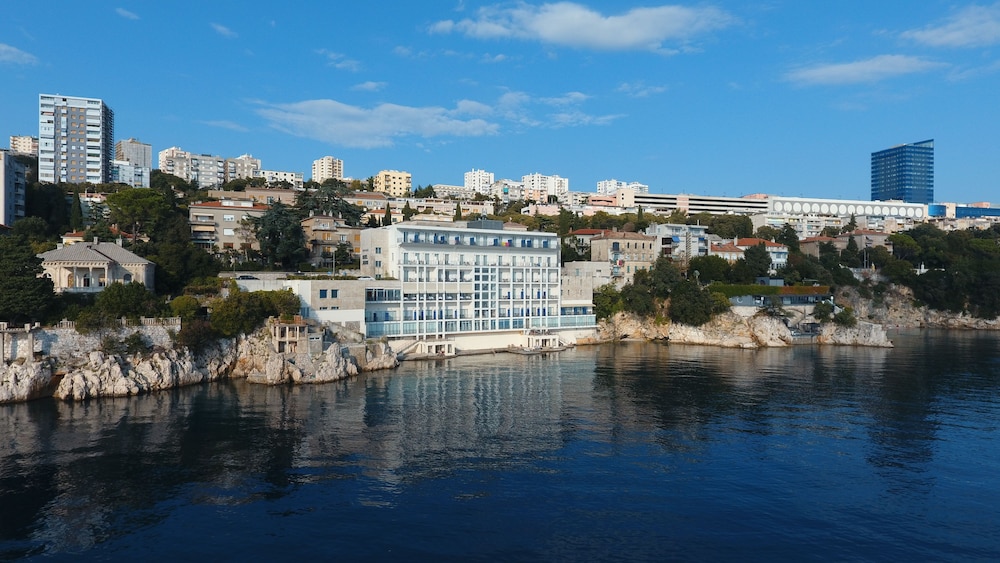
Pećine. A coastal strip west of the center, with beaches, promenades, and several hotels, including the Hilton Rijeka Costabella Beach Resort & Spa.
Getting there and around
Rijeka is well connected by road and rail. It lies on the A6 and A7 motorways, about two hours by car from Zagreb and roughly three hours from Ljubljana. International trains run from Zagreb, Ljubljana, Vienna, and Munich, and the main railway station is in the city center. Rijeka Airport is on the island of Krk, about 30 kilometers away, with seasonal flights. Buses connect Rijeka with many Croatian and European cities. Ferries and catamarans link the port with nearby islands and with Dubrovnik, Split, and other coastal towns. Once in the city, most central attractions are walkable; local buses serve the wider area, and taxis are available.
When to go
The best time to visit Rijeka is from May to September, when the weather is warm and dry, and the sea is suitable for swimming. July and August are the busiest and hottest months, with temperatures often above 30°C. Spring and autumn are milder and less crowded, ideal for sightseeing. Winter can be cool and rainy, with a strong northeasterly wind called the bora, though the city's carnival in January or February is a major event. Rainfall is spread throughout the year, with November and December being the wettest months.
Questions, answered
Is Rijeka worth visiting?
Yes, Rijeka offers a different side of Croatia, with its industrial heritage, Austro-Hungarian architecture, and lively cultural scene. It is a good base for exploring the Kvarner Gulf and nearby islands.
How do I get from Rijeka to Dubrovnik?
You can travel by bus or car, which takes several hours, or by ferry or catamaran along the coast. The journey by road passes through Bosnia and Herzegovina, so bring your passport.
What is the main street in Rijeka?
The Korzo is the main pedestrian street, lined with shops, cafes, and historic buildings. It runs through the center of the city and is a focal point for local life.
What are the best beaches in Rijeka?
The Pećine area has several beaches, including Ploče and Sablićevo, with concrete platforms and pebbles. Further west, Kostrena and Preluk are popular with locals.
What is Rijeka known for?
Rijeka is known for its port, shipbuilding, and carnival. It was also a European Capital of Culture in 2020, which highlighted its museums, galleries, and industrial heritage.
Is Rijeka a good base for visiting islands?
Yes, ferries and catamarans from Rijeka connect to islands such as Krk, Cres, Lošinj, and Rab. The ferry port is in the city center, making day trips easy.