Stays in Jelsa
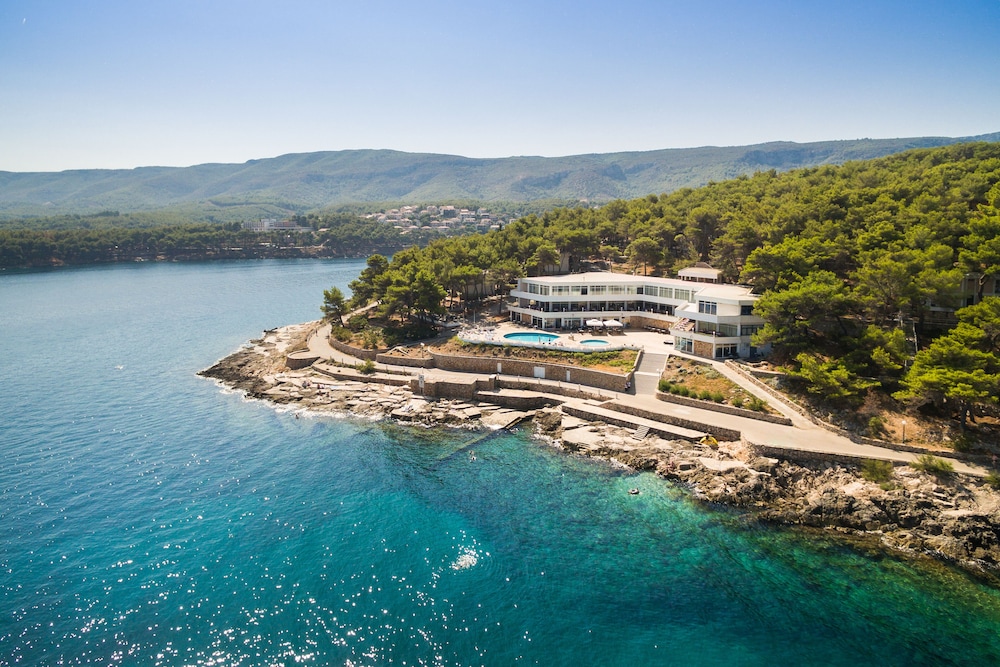
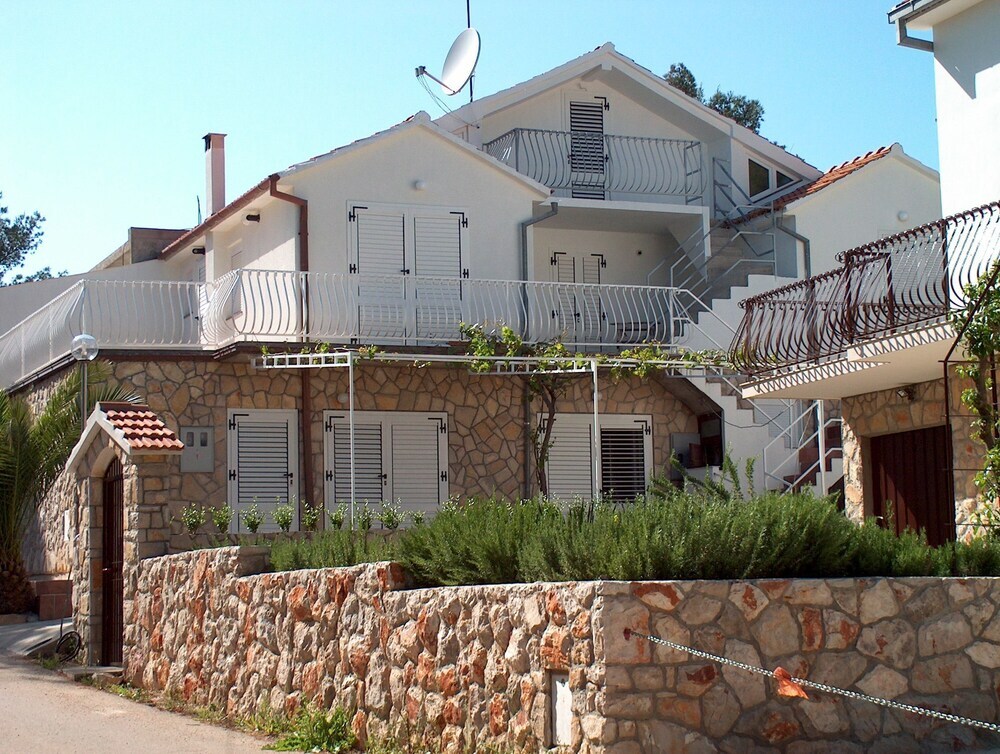
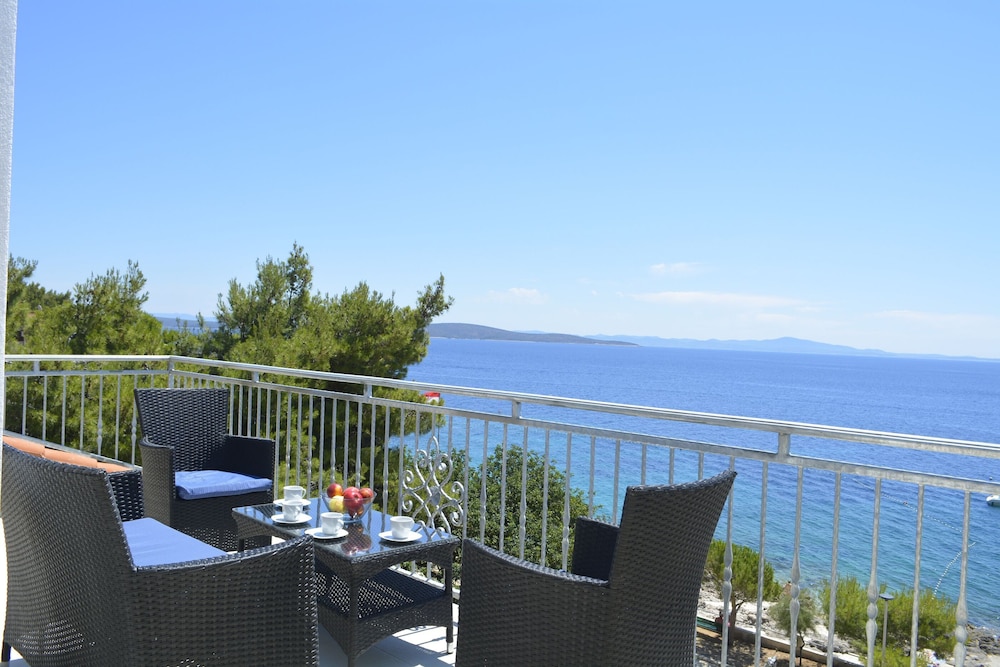
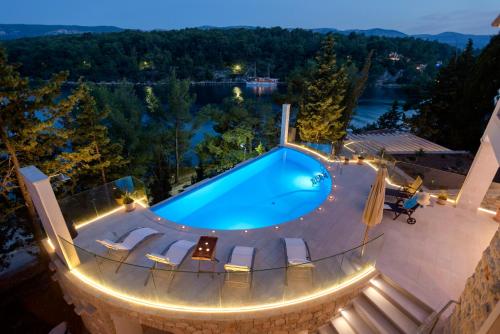
Jelsa is a small town on the north coast of Hvar, one of Croatia's main Adriatic islands. It sits at the head of a deep bay, surrounded by pine-covered hills and vineyards that have been cultivated for centuries. Unlike the busier town of Hvar on the opposite side of the island, Jelsa keeps a…
Every stay in Jelsa
Recent rates first, then the best-reviewed rooms.

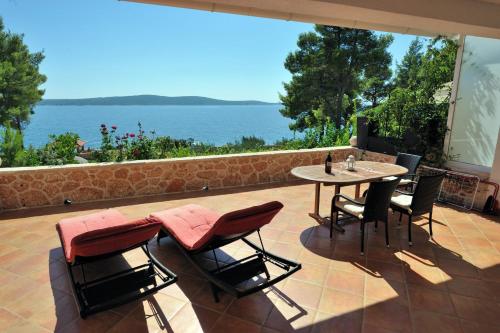
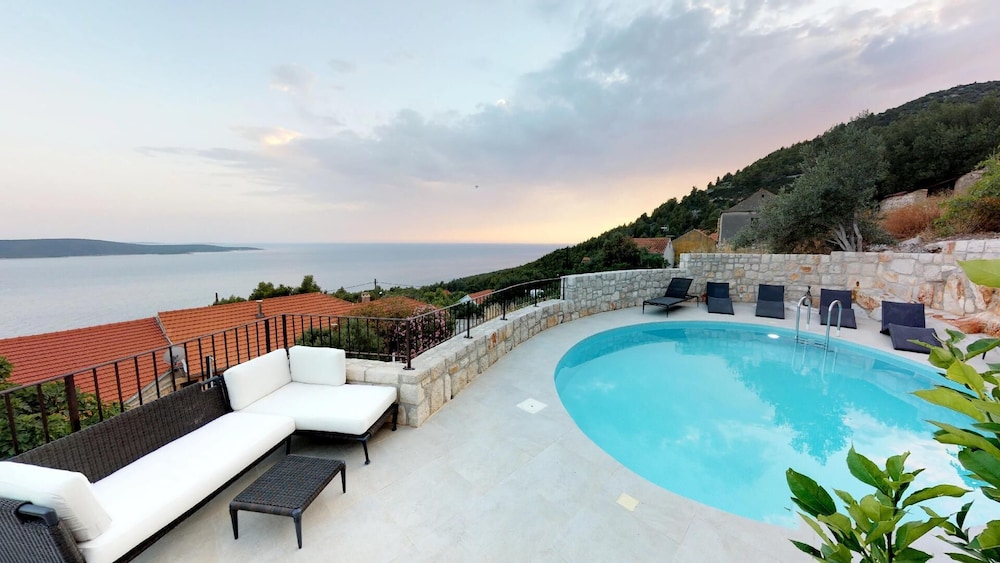
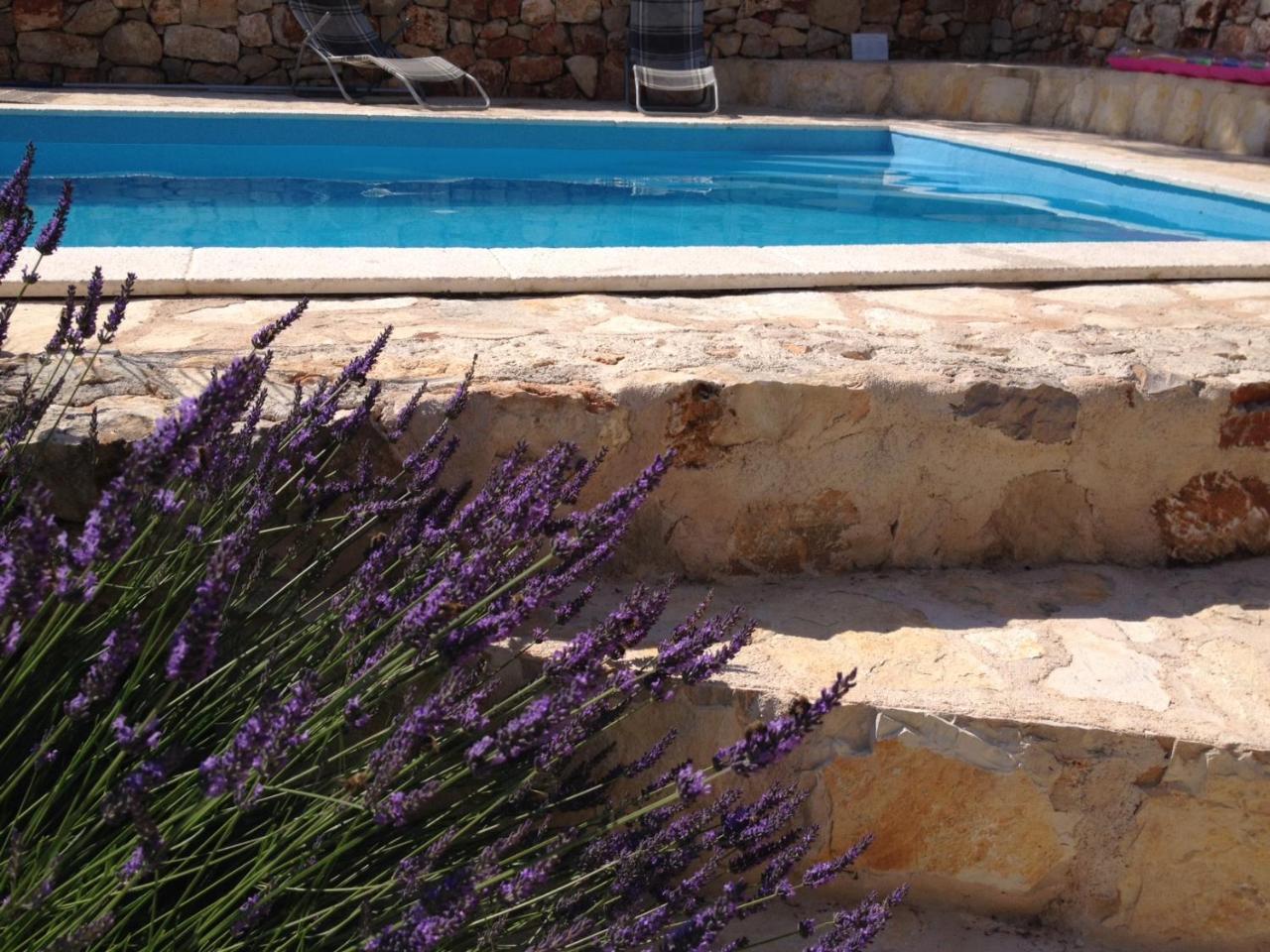

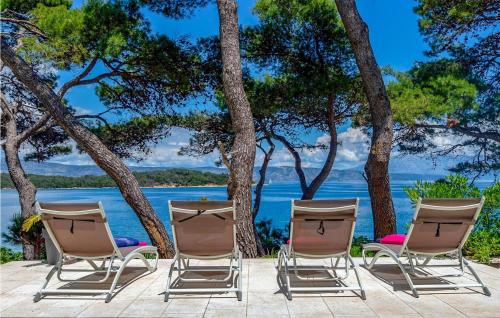
Search live rates in Jelsa
Pick your dates — every Jelsa room with a live price, in one list.
Free cancellation on most rooms · 1 t CO₂ removed per booking, at no extra cost.
About Jelsa
The town is a practical base for exploring the island. It is connected by road to Stari Grad and Hvar Town, and by boat to nearby beaches and the Pakleni Islands. The surrounding area is known for its olive groves and lavender fields, and the local economy has long relied on fishing, wine, and more recently tourism. Jelsa has a modest but varied selection of places to stay, from small guesthouses to larger hotels, and its average guest score of 4.6 out of 5 suggests that visitors generally leave satisfied.
Where to stay in Jelsa
Jelsa Harbour. The area around the harbour puts you within walking distance of the waterfront, cafes, and the main bus stop. Many of the town's hotels and rooms are located here or just a street or two back.
Old Town. The narrow streets of the old core have a mix of guesthouses and small hotels, close to the church and the market square. It is quiet at night but still central.
Vina. A coastal strip east of the centre with a few hotels and pebble beaches. It is a short walk from Jelsa and offers a more relaxed setting.
Mala Stiniva. A small cove west of Jelsa with a handful of accommodation options and a beach. It is best reached by car or a longer walk along the shore.
Getting there and around
Jelsa is on the island of Hvar and is reached by ferry from the mainland. The main ferry route runs from Split to Stari Grad, from where it is a short drive or bus ride to Jelsa. There are also catamaran services from Split to Jelsa itself in summer. Dubrovnik is much further south; reaching Jelsa from there involves a long drive through Neum and Split, then a ferry. On the island, local buses connect Jelsa with Stari Grad and Hvar Town, and taxis are available. Having a car gives more flexibility for exploring beaches and villages.
When to go
The best time to visit Jelsa is from late spring to early autumn. May, June, and September offer warm weather without the peak-season crowds. July and August are the busiest and hottest months, with sea temperatures suitable for swimming. Winter is quiet, with many tourist facilities closed. Rainfall is more likely in late autumn and winter.
Questions, answered
Is Jelsa a good base for exploring Hvar?
Yes. Jelsa is centrally located on the north coast, with easy road access to Stari Grad, Hvar Town, and the island's beaches. It is quieter than Hvar Town but still has amenities.
How do I get to Jelsa from Split?
Take a ferry from Split to Stari Grad, then a bus or taxi to Jelsa. In summer, some catamarans run directly from Split to Jelsa.
What is the average guest score for hotels in Jelsa?
The average guest score for hotels listed on our site is 4.6 out of 5.
Are there beaches in Jelsa?
Yes, there are several pebble and rocky beaches along the coast, including near the town centre and at nearby coves like Vina and Mala Stiniva.
What is the best time to visit Jelsa?
Late spring to early autumn, especially May, June, and September, when the weather is pleasant and the crowds are smaller than in July and August.
Can I reach Dubrovnik from Jelsa?
Yes, but it requires a combination of ferry and road travel. The journey typically involves taking a ferry to Split and then driving south along the coast to Dubrovnik.