Stays in Hvar
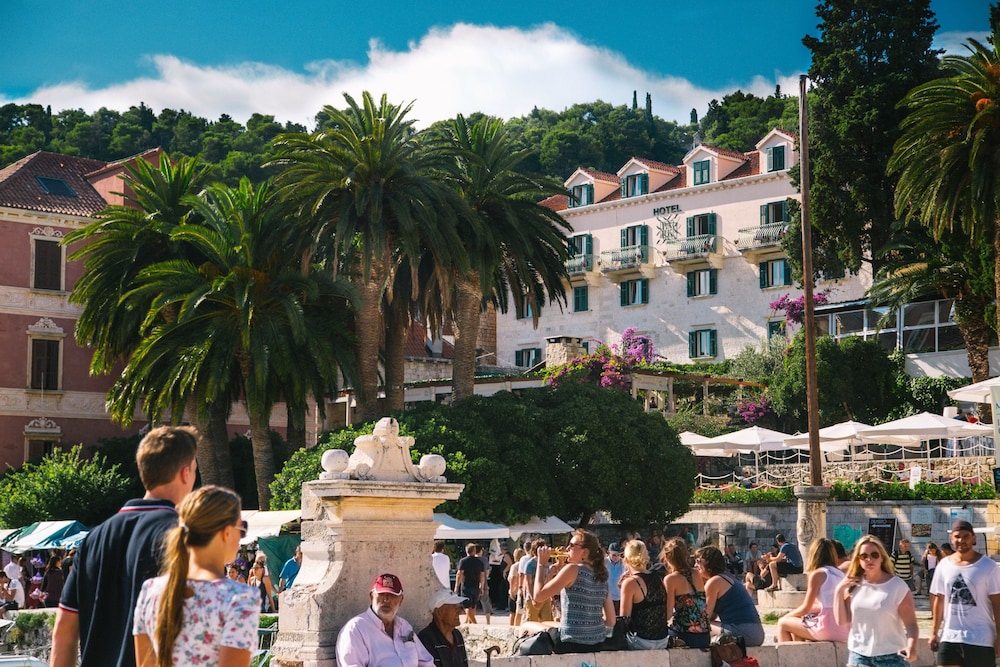
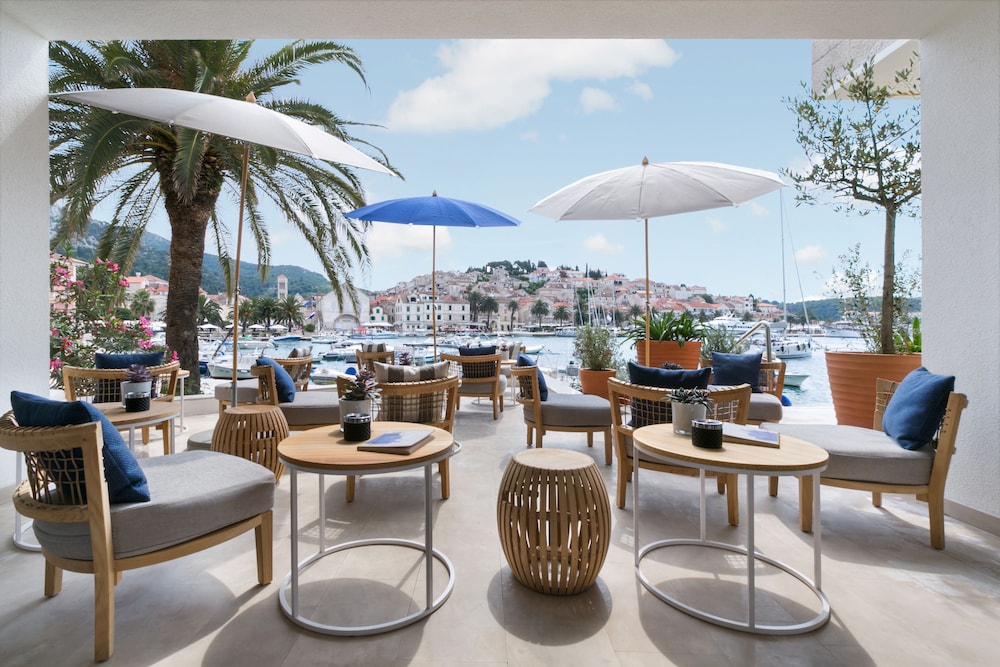
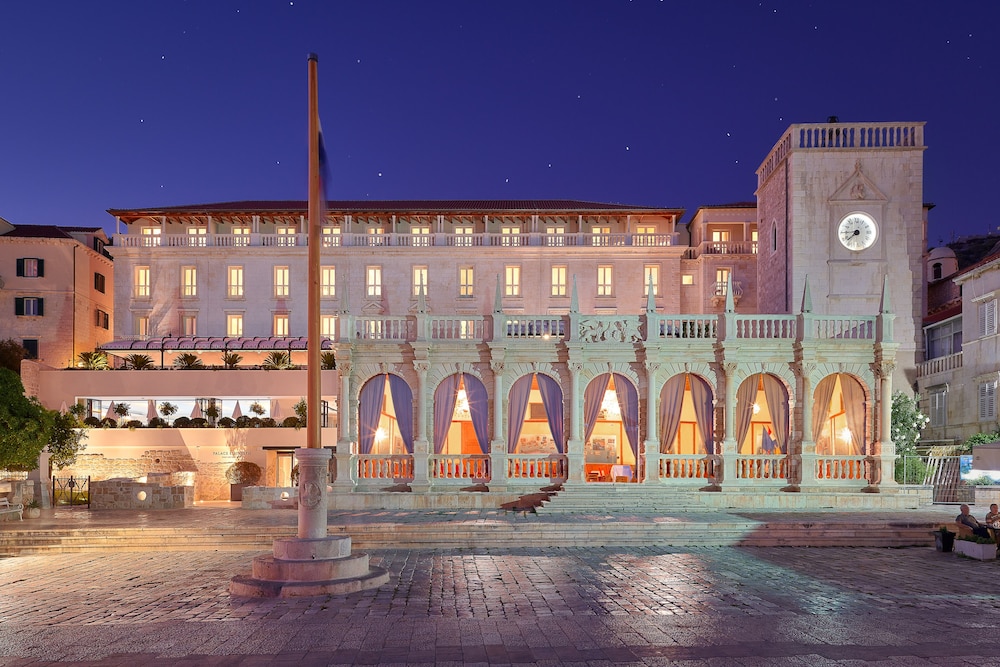
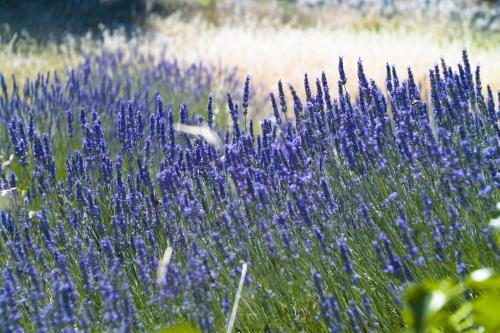
Hvar is a Croatian island in the Adriatic Sea, known for its lavender fields, historic towns, and clear waters. The main town, also called Hvar, sits on the island's western coast and features a Venetian-era harbour, a hilltop fortress, and a large central square. The island has been inhabited since…
Every stay in Hvar
Recent rates first, then the best-reviewed rooms.



Search live rates in Hvar
Pick your dates — every Hvar room with a live price, in one list.
Free cancellation on most rooms · 1 t CO₂ removed per booking, at no extra cost.
About Hvar
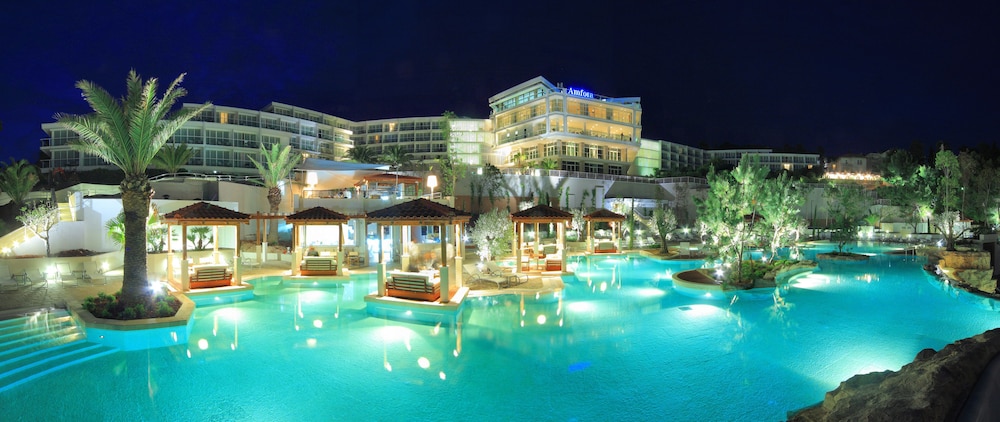
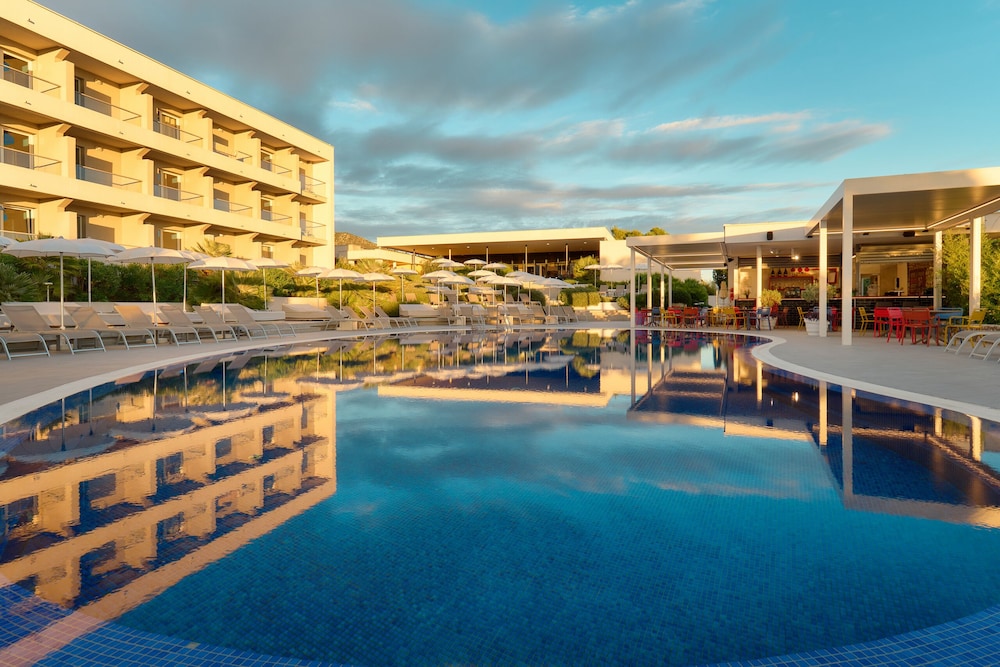
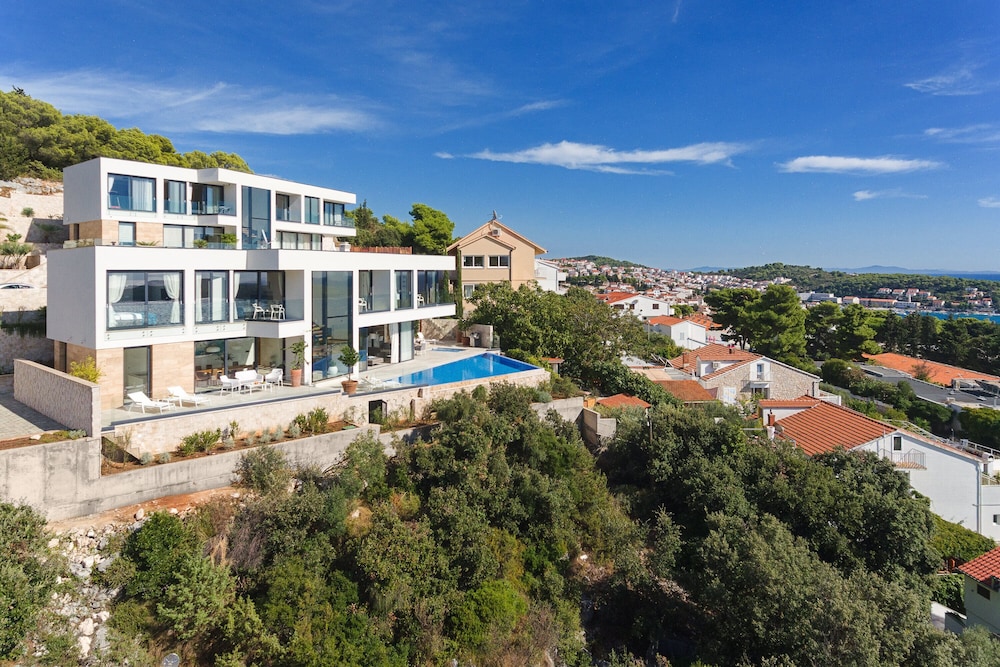
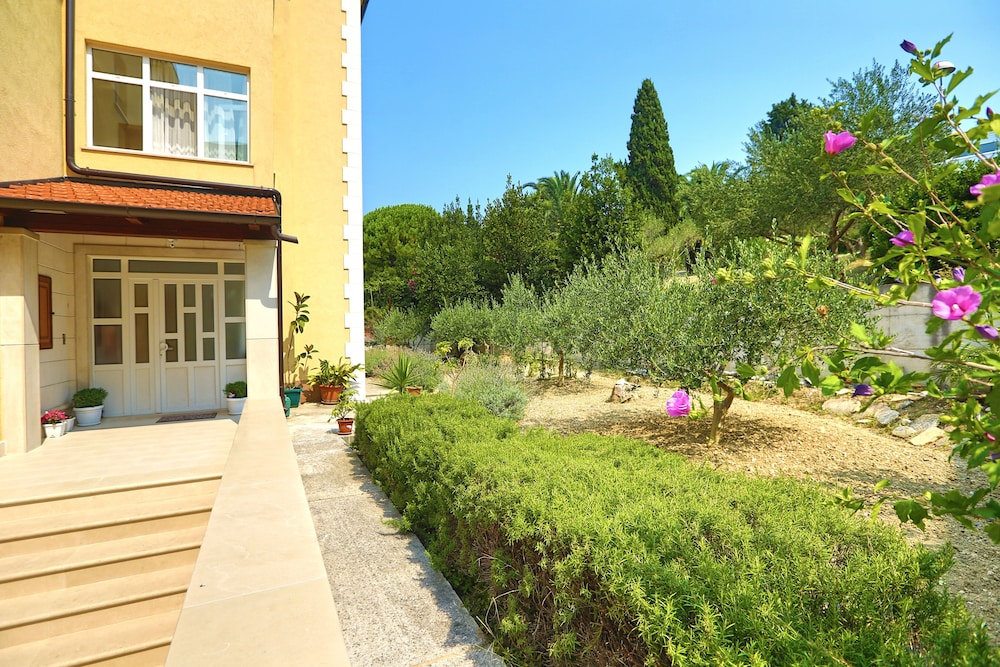
Hvar enjoys a Mediterranean climate with mild winters and warm, sunny summers, making it a popular destination for sailing, swimming, and exploring. The town is a base for visiting nearby Pakleni Islands and other coves. Accommodation ranges from large resorts to small guesthouses, with many options listed on our site. The island is accessible by ferry from Split, and the town is compact enough to explore on foot.
Where to stay in Hvar
Hvar Town. The main town offers the widest choice of hotels, restaurants, and nightlife, all within walking distance of the harbour and the main square.
Stari Grad. A quieter historic town on the north side of the island, with a picturesque old harbour and easy access to the ferry from Split.
Jelsa. A small coastal town on the north coast, popular for its peaceful atmosphere and proximity to beaches and vineyards.
Pakleni Islands. A group of islets just off Hvar Town, offering secluded coves and a few accommodations for a more secluded stay.
Getting there and around
Hvar is reached by ferry from Split, with frequent catamaran and car ferry services to Hvar Town and Stari Grad. The journey takes about an hour to Stari Grad and slightly longer to Hvar Town. From Dubrovnik, you can travel to Split by bus or car, then take a ferry. On the island, local buses connect major towns, and taxis and rental cars are available. The town of Hvar is compact and walkable, with most attractions within easy reach.
When to go
The best time to visit Hvar is from May to June and September to October, when the weather is warm and pleasant but less crowded. July and August are the busiest and hottest months, with many events and a lively atmosphere. Winter is mild but quieter, with some businesses closed. Spring brings wildflowers and lavender blooms later in the season.
Questions, answered
How do I get to Hvar?
Ferries and catamarans run from Split to Hvar Town and Stari Grad. The trip takes about one to two hours. From Dubrovnik, you can go to Split first and then take a ferry.
What is the best way to get around Hvar?
Within Hvar Town, walking is the easiest way to get around. For other parts of the island, you can use local buses, taxis, or rent a car or scooter.
What are the top attractions in Hvar?
The Spanish Fortress offers panoramic views, and the main square is a historic gathering place. The Pakleni Islands are popular for swimming and sailing.
Is Hvar suitable for families?
Yes, Hvar has family-friendly beaches and a relaxed atmosphere. Many hotels and restaurants cater to families.
What is the local cuisine like?
Hvar's cuisine features fresh seafood, olive oil, and local wines. Traditional dishes include gregada (fish stew) and peka (meat or fish cooked under a bell).