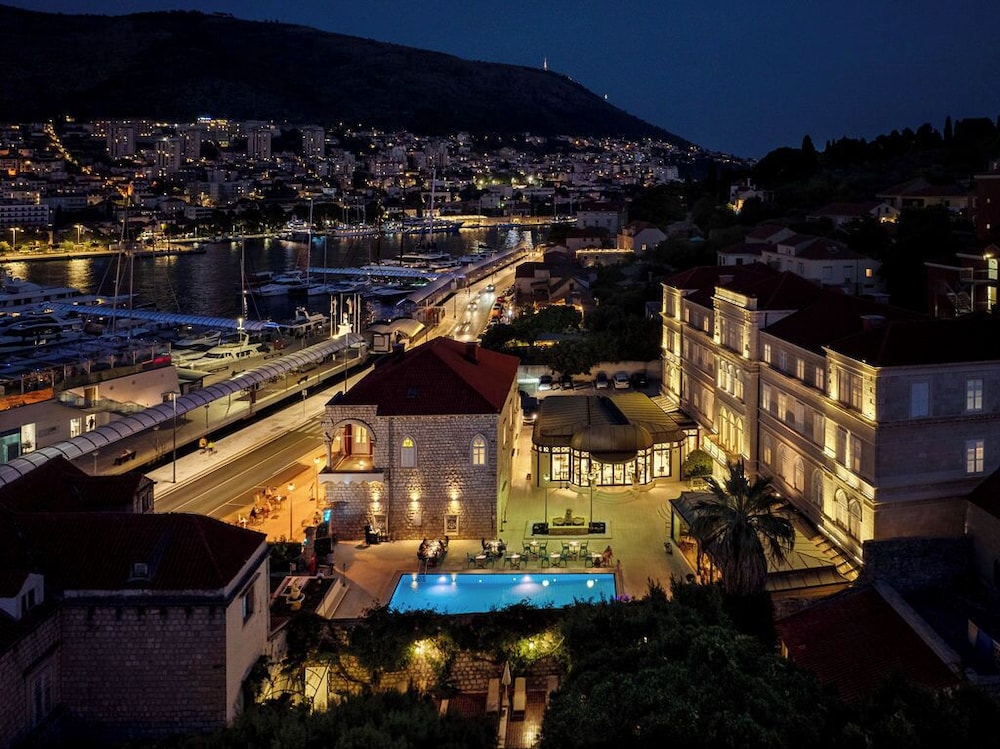
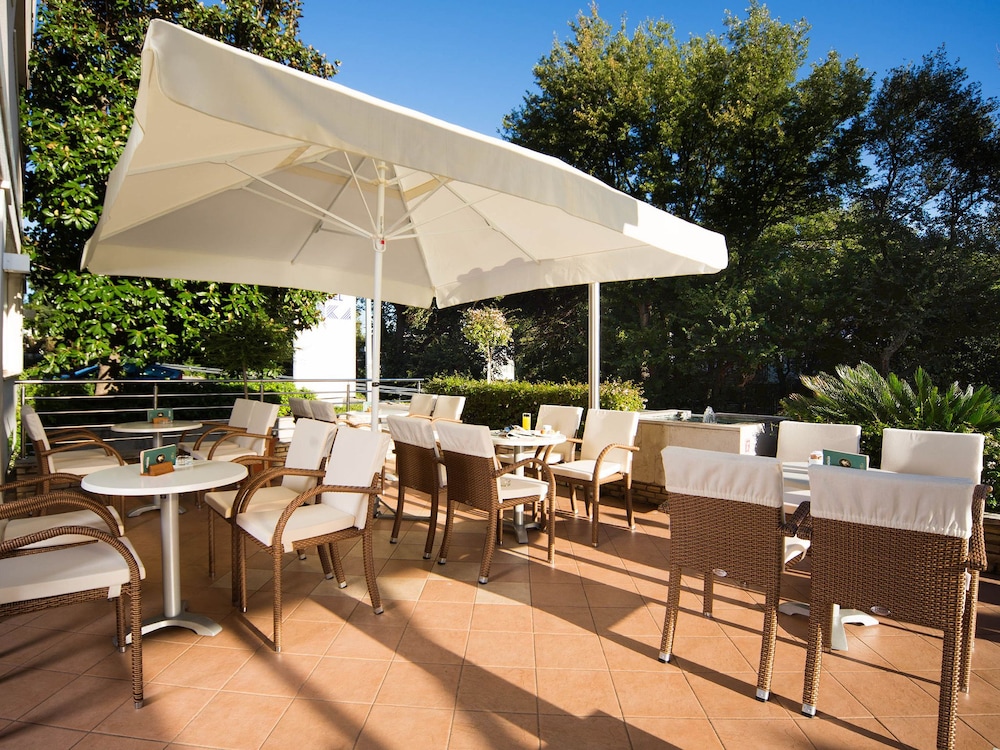
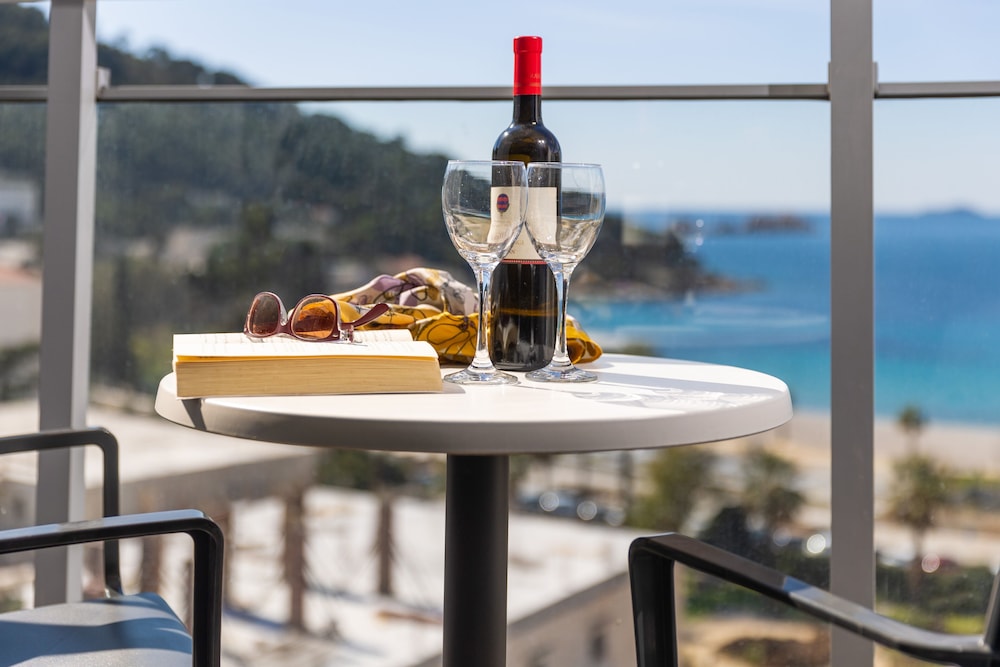
Apartments Dalmatino is a practical 3-star stay in Croatia, Dubrovnik — good value for exploring the area and its landmarks like Dominican Monastery.
The surrounding Croatia district is one of the most convenient parts of Dubrovnik to stay in, with restaurants, cafés and transport links close by.
Rates shift with the season and with demand, so the live price on the booking page is always the one to trust — tap through for tonight's or your dates' real availability.
Key facts
Address
Marka Marulića 3 20000 Dubrovnik Croatia, Dubrovnik, Croatia
What’s included
ATM
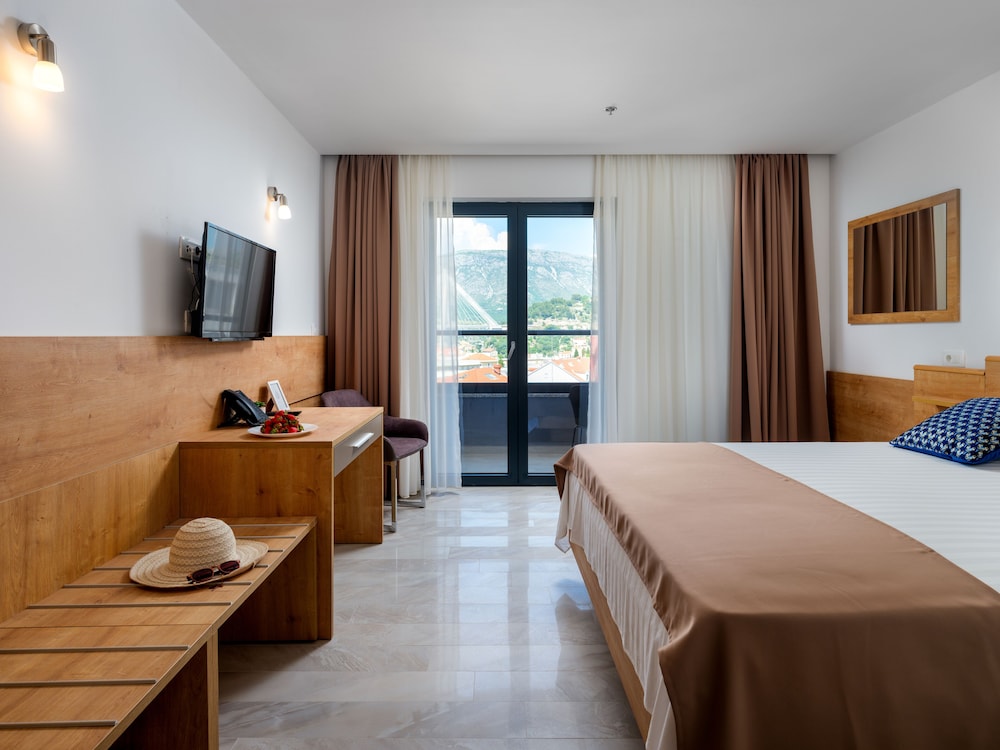
Air conditioning
Express check in
Free Wifi
Internet access
Non smoking rooms
Parking
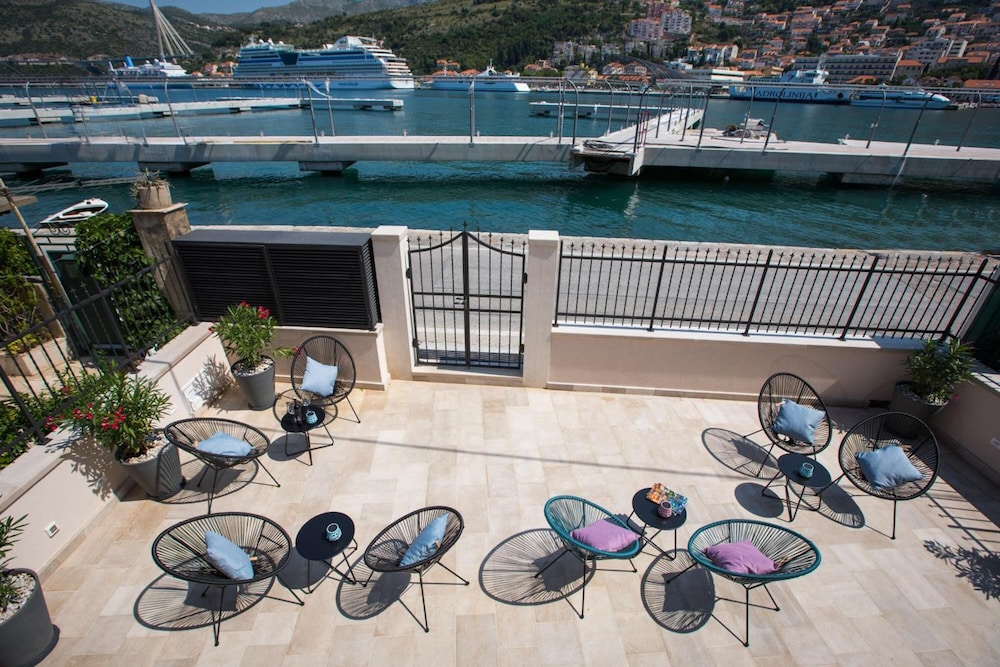
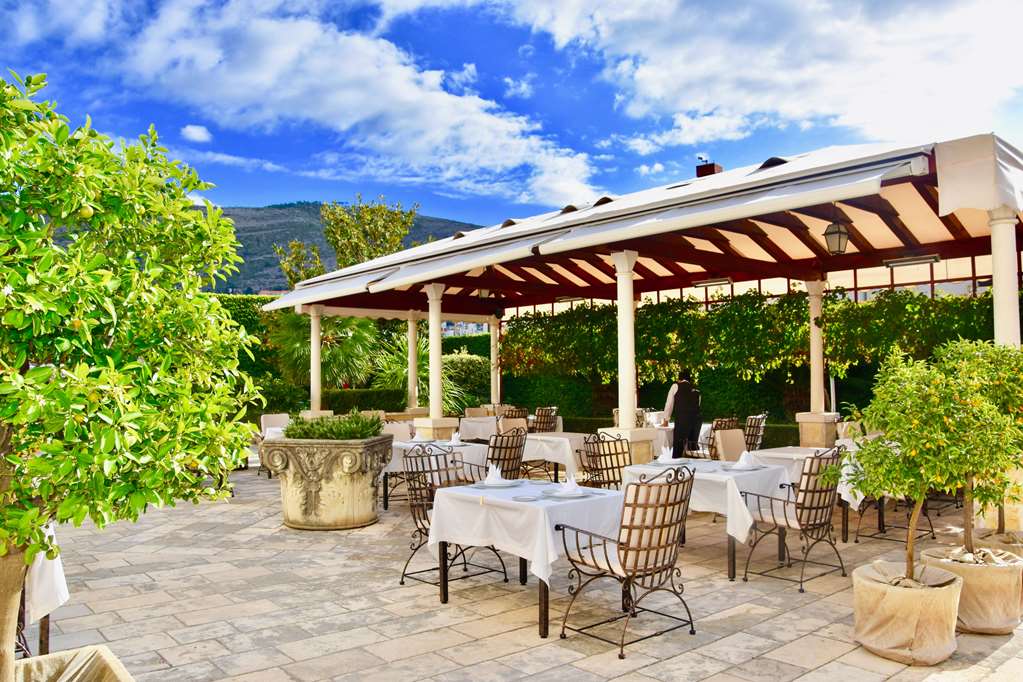
Patio
Pets Not Allowed
TV
Tennis court
Terrace
Best time to visit Dubrovnik: month-by-month prices and weather
May, late September and early October are the value sweet spots: sea around 20–22°C, daytime highs of 22–25°C, and Old Town 4-star rooms at €130–200 versus €350+ in August. July and August are peak — expect 30°C, cruise ships in Gruž, and the Dubrovnik Summer Festival (10 July–25 August) pushing rates to their annual maximum. June and early September are the compromise: warm sea, full ferry schedules to Mljet and the Elaphiti, prices 20–30% below August.
November to March is genuinely quiet; many Lapad and Babin Kuk hotels close, but Old Town properties like Hotel Stari Grad and the Pucić Palace stay open at €90–140. The Feast of St Blaise on 3 February fills the town for a weekend and Christmas markets on Stradun run mid-December to early January. April sees Easter spikes and the reopening of most seasonal hotels, with the Cavtat and Mlini resorts back online by the middle of the month.
Getting around Dubrovnik: airport, buses, ferries and whether you need a car
You do not need a car if you're staying in the Old Town, Pile, Ploče, Lapad or Babin Kuk. The Platanus airport shuttle from DBV runs to the main bus station in Gruž for €10 one way, taxis are a flat €35–45, and Libertas city buses 1A, 1B, 3, 6 and 8 link Pile, Gruž, Lapad and Babin Kuk for €1.73 in advance or €2.65 on board. Old Town to Lapad is 4 km, roughly 15 minutes by bus; Pile to Gruž port is 2.5 km.
For Cavtat (18 km), Mlini and Srebreno, bus 10 runs along the Adriatic coast road or you can take the seasonal water taxi from the Old Port. Ston, Slano, Orebić and the Pelješac wineries are where a hire car earns its keep — the D8 coastal road plus the new Pelješac Bridge (opened July 2022) means you can skip the Bosnian border crossing at Neum. Islands are ferry-only: Jadrolinija and Kapetan Luka from Gruž reach Lopud in 55 minutes, Šipan in 90, Mljet's Sobra port in about 2 hours and Korčula Town in 2h 15.
How many nights in Dubrovnik and a first-timer itinerary
Four nights is the honest minimum: one for the 1,940 m city wall walk (best at 8am opening or after 6pm), one for a Mljet or Elaphiti day trip, one for Ston and a Pelješac winery, and one for beach time at Banje, Sveti Jakov or Sunset Beach in Lapad. Three nights works if you skip either the islands or Pelješac. Under three and you'll spend most of the trip queueing behind cruise passengers between 10am and 4pm.
For a week, add Korčula Town as an overnight (Marco Polo's supposed birthplace, 2h 15 by catamaran), a night in Cavtat for the Račić Mausoleum and a quieter waterfront, and a proper day on Mljet's saltwater lakes inside the national park. Base yourself in Ploče or Pile for the walls-and-Stradun half of the trip, then shift to Lapad or an island for the second half — the change of pace matters more than people expect.
Questions, answered
Where is Apartments Dalmatino located?
Apartments Dalmatino is in Croatia, Dubrovnik (Marka Marulića 3 20000 Dubrovnik Croatia, Dubrovnik, Croatia), close to Dominican Monastery.
How much does Apartments Dalmatino cost per night?
Prices are set live by the hotel — check the booking page for a real rate for your dates.
How many stars is Apartments Dalmatino?
Apartments Dalmatino is a 3-star hotel in Dubrovnik.
Is Dubrovnik better for families or couples?
Both, but in different neighbourhoods — couples do better in the Old Town, Ploče or a boutique in Cavtat, while families should look at Lapad or Babin Kuk for the sandy beaches at Copacabana and Sunset Beach and the flat pedestrian promenade. The Old Town's stepped streets and lack of green space are hard work with a pushchair. Family-friendly resorts like the Valamar properties on Babin Kuk and the Sheraton in Srebreno have pools and kids' clubs that central hotels don't. For teenagers, Lopud with its car-free waterfront works well as a two-night add-on.
What should I book early for a Dubrovnik trip?
Book Old Town and Ploče hotels for July and August by January or February — the Summer Festival dates of 10 July to 25 August sell out first. Game of Thrones walking tours, the cable car up Srđ, and the kayak trips around Lokrum should be booked a few days ahead in peak season. If you want to eat at Restaurant 360 or Nautika, reserve two to three weeks out for a summer evening. Ferries to Mljet and Korčula fill on peak-season weekends, so book the Jadrolinija or Kapetan Luka sailings online rather than turning up at Gruž.
What's a typical nightly rate for a hotel in Dubrovnik?
In shoulder season (May, late September, October) a solid 4-star runs €150–220 in Lapad and €200–300 inside or beside the Old Town. In August the same rooms are €280–450, and top-end sea-view properties in Ploče like Villa Dubrovnik or the Excelsior push €800–1,200. Budget 3-star options in Gruž, Boninovo and Montovjerna sit around €80–130 outside July and August. Sobe (licensed private rooms) undercut hotels by 20–30% and are common in Lapad and Ploče.
Is Dubrovnik walkable?
The Old Town itself is entirely walkable and entirely pedestrianised — Stradun is 300 m end to end from Pile to Ploče gate. Between neighbourhoods it's less obvious: Old Town to Lapad is 4 km with a steep hill in the middle, so most people take bus 6 for 15 minutes. Pile to Gruž port is a walkable 2.5 km downhill but you'll want the bus back up. Inside the walls, expect stairs — streets north of Stradun like Prijeko and Ulica od Sigurate are stepped, which matters if you have luggage or mobility issues.
Is it worth crossing into Bosnia at Neum on a day trip from Dubrovnik?
Not any more — the Pelješac Bridge opened in July 2022 and removed the need to cross the 9 km Neum corridor to reach Split, Ston or Pelješac. The Bosnian border stop used to add 30–60 minutes each way and is now bypassed entirely on the D8 coastal route. Neum itself is only worth stopping for cheap fuel and duty-free spirits, not sightseeing. If you want a genuine Bosnia day trip from Dubrovnik, go to Mostar (140 km, about 2h 30) rather than Neum, and take your passport plus the car's green card insurance document.