CroatiaNaturally
★★★★ Croatia · Dubrovnik
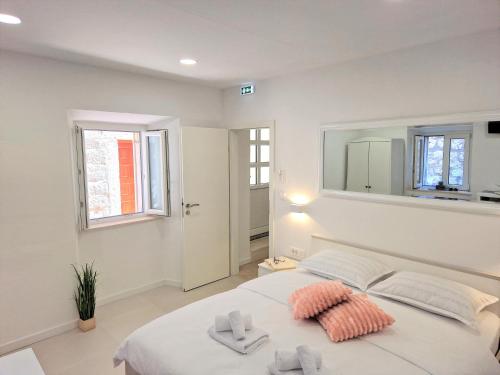
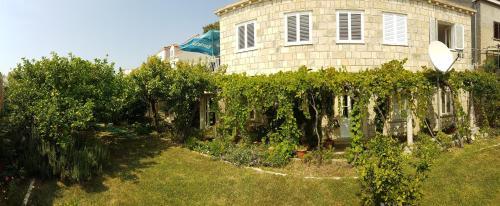
Apartment Red Keep
Apartment Red Keep
Apartment Red Keep
Apartment Red Keep
Apartment Red Keep +1 photos

Apartment Red Keep

Brsalje 14 2. Kat, Dubrovnik, Croatia

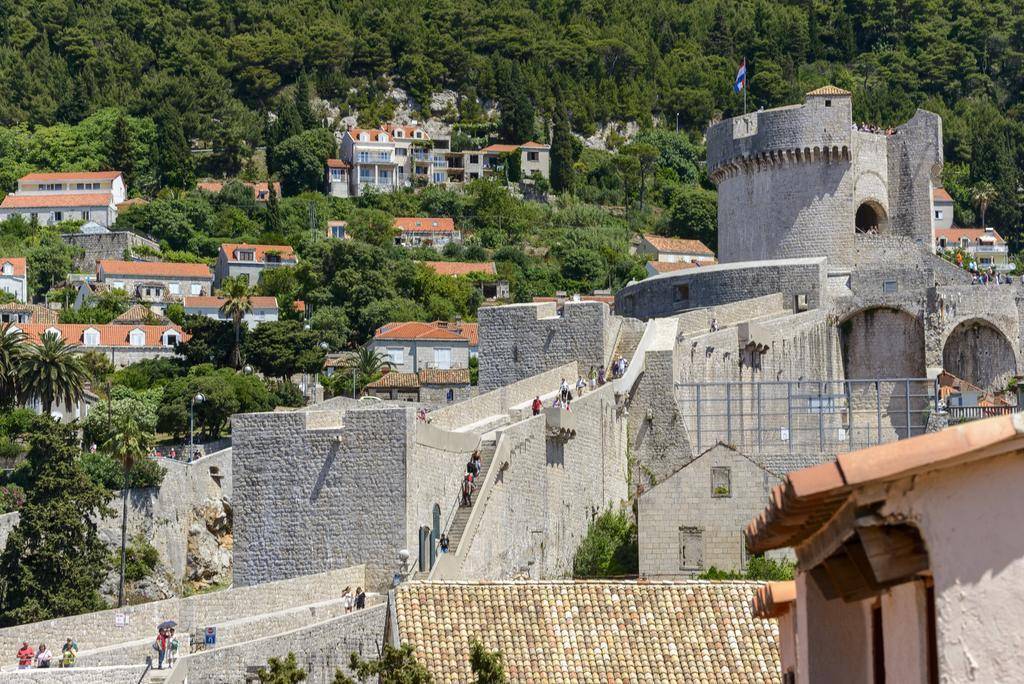
Staying in Croatia? Apartment Red Keep offers dependable 4-star quality and puts Fort Imperial (Mount Srđ) and central Dubrovnik within easy reach.

From here, Dubrovnik's main attractions — including Fort Imperial (Mount Srđ) — are an easy walk or short ride away, so you spend less time in transit and more time exploring.

Because pricing is set live by the hotel and its suppliers, the figure shown here is a recent snapshot; check the current rate for your exact dates before booking.

Key facts

Class
4-star
Area
Croatia
Address
Brsalje 14 2. Kat, Dubrovnik, Croatia

What’s included

Air conditioning Apartements Bath Bathroom CD Player Carpeted Cleaning Desk Dishwasher Dvd Family rooms First aid

What Dubrovnik hotels actually cost in 2024–25

Budget in Dubrovnik means €70–110 in shoulder season for a 3-star room in Gruž, Boninovo or Montovjerna, or a sobe (licensed private room) in Lapad. Mid-range 4-star in Lapad or Babin Kuk runs €150–260 in June and September, climbing to €280–380 in August; the same standard inside the Old Town walls adds roughly €80–120 per night for the address. Top-end means the Excelsior, Villa Dubrovnik, Rixos Premium, Hotel Bellevue or the Adriatic Luxury group in Ploče, where sea-view rooms sit at €600–1,200 in July and August.

Rates spike hardest around the Summer Festival's opening weekend (10–12 July), the 15 August Assumption holiday, and any week a large cruise conference books out Gruž. Cavtat, Mlini and Slano typically undercut central Dubrovnik by 25–35% for equivalent stars, and the Elaphiti islands are cheaper still outside July–August but have limited stock — Lopud has fewer than ten hotels in total.

The Dubrovnik booking trap: cruise days, steps and the Lapad misconception

Check the Dubrovnik Port Authority cruise schedule before you lock in dates — on days with three or more ships docking in Gruž (often Tuesdays and Wednesdays May–October), the Old Town takes on 8,000–10,000 extra day visitors between 9am and 3pm. Staying in Ploče or Pile lets you be on Stradun at 7am and out on a boat by 10am; Old Town accommodation itself also means hauling luggage up flights of stone stairs, as streets like Ulica od Sigurate and Prijeko are stepped and no vehicles enter past Pile or Ploče gates. Ask any hotel inside the walls how many steps from the nearest gate before you book.

The area people wrongly skip is Lapad. It gets dismissed as "the resort strip", but the pedestrianised palm avenue, the Petka hill walk, and swimming off Cava beach or Sunset Beach on Babin Kuk make it the most liveable base for anything over three nights, and bus 6 has you at Pile Gate in 15 minutes. The other quiet surprise is late October: warm enough to swim off Šunj on Lopud, half the August price, and the walls almost empty by mid-afternoon.

Where to stay in Dubrovnik: choosing between Old Town, Lapad, Ploče and the islands

The Old Town inside the walls is the most expensive base and the most atmospheric, with 4-star boutique stays typically €250–500 in summer and no cars allowed past Pile Gate. Ploče, just east of the walls, is quieter and holds the big-name hotels like Excelsior and Grand Villa Argentina with direct access to Banje beach. Pile sits at the western gate and gives you 5-minute walk-in access at 3-star prices. Lapad and Babin Kuk, 4 km west on the peninsula, are where families and longer-stay guests go — pedestrianised Šetalište kralja Zvonimira, sandy Copacabana and Sunset Beach, and rates 30–40% below the Old Town.

Gruž around the ferry port is the budget and local pick, handy for Jadrolinija sailings to Mljet, Lopud, Šipan and Korčula. Boninovo and Montovjerna are residential and cheap but need the 1A or 1B bus into town. Further afield, Cavtat (18 km south, near the airport), Mlini and Srebreno work for a calmer coastal base, while Slano (37 km north), Ston (54 km, oysters and walls), Orebić (facing Korčula), and the Elaphiti islands of Lopud and Koločep suit anyone happy to trade quick Old Town access for swimming off the doorstep.

Questions, answered

Where is Apartment Red Keep located?
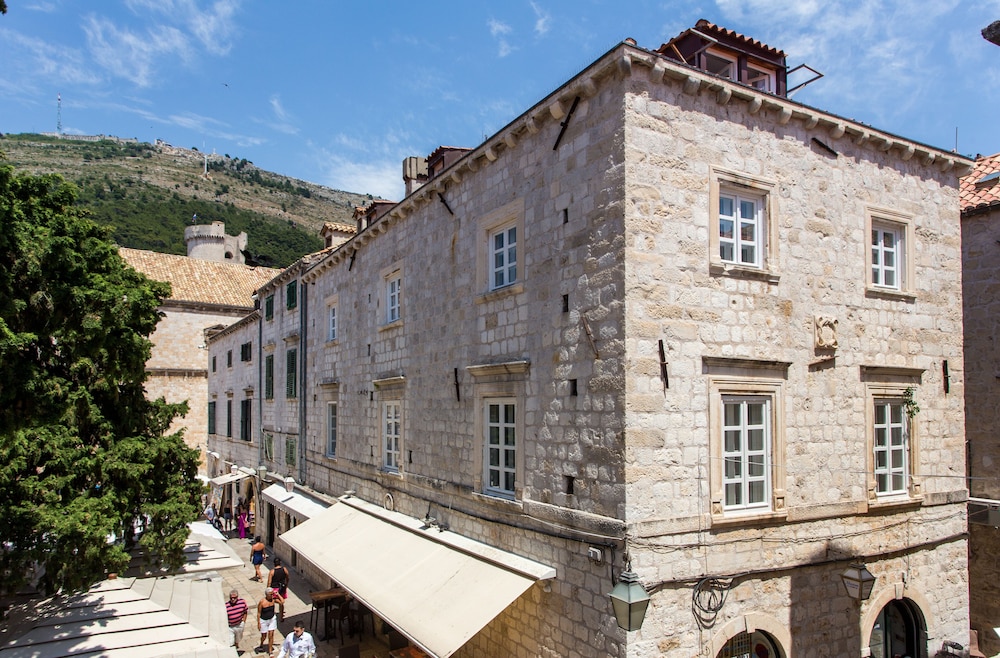
Apartment Red Keep is in Croatia, Dubrovnik (Brsalje 14 2. Kat, Dubrovnik, Croatia), close to Fort Imperial (Mount Srđ).
How much does Apartment Red Keep cost per night?
Prices are set live by the hotel — check the booking page for a real rate for your dates.
How many stars is Apartment Red Keep?
Apartment Red Keep is a 4-star hotel in Dubrovnik.
Do I need a car in Dubrovnik?
No, not if you're staying in the Old Town, Pile, Ploče, Lapad, Babin Kuk or Gruž — everything connects by the Libertas 1A, 1B, 3, 6 and 8 buses at €1.73 per ride. A car actively hurts you inside the walled town where parking is €5–7 per hour and no vehicles enter. Hire one only for day trips to Ston, Pelješac wineries, Slano, Trsteno arboretum or across the new Pelješac Bridge. For islands like Mljet, Lopud, Šipan and Korčula you'll use Jadrolinija or Kapetan Luka ferries from Gruž port instead.
Is Dubrovnik better for families or couples?
Both, but in different neighbourhoods — couples do better in the Old Town, Ploče or a boutique in Cavtat, while families should look at Lapad or Babin Kuk for the sandy beaches at Copacabana and Sunset Beach and the flat pedestrian promenade. The Old Town's stepped streets and lack of green space are hard work with a pushchair. Family-friendly resorts like the Valamar properties on Babin Kuk and the Sheraton in Srebreno have pools and kids' clubs that central hotels don't. For teenagers, Lopud with its car-free waterfront works well as a two-night add-on.
What should I book early for a Dubrovnik trip?
Book Old Town and Ploče hotels for July and August by January or February — the Summer Festival dates of 10 July to 25 August sell out first. Game of Thrones walking tours, the cable car up Srđ, and the kayak trips around Lokrum should be booked a few days ahead in peak season. If you want to eat at Restaurant 360 or Nautika, reserve two to three weeks out for a summer evening. Ferries to Mljet and Korčula fill on peak-season weekends, so book the Jadrolinija or Kapetan Luka sailings online rather than turning up at Gruž.
What's a typical nightly rate for a hotel in Dubrovnik?
In shoulder season (May, late September, October) a solid 4-star runs €150–220 in Lapad and €200–300 inside or beside the Old Town. In August the same rooms are €280–450, and top-end sea-view properties in Ploče like Villa Dubrovnik or the Excelsior push €800–1,200. Budget 3-star options in Gruž, Boninovo and Montovjerna sit around €80–130 outside July and August. Sobe (licensed private rooms) undercut hotels by 20–30% and are common in Lapad and Ploče.
Is Dubrovnik walkable?
The Old Town itself is entirely walkable and entirely pedestrianised — Stradun is 300 m end to end from Pile to Ploče gate. Between neighbourhoods it's less obvious: Old Town to Lapad is 4 km with a steep hill in the middle, so most people take bus 6 for 15 minutes. Pile to Gruž port is a walkable 2.5 km downhill but you'll want the bus back up. Inside the walls, expect stairs — streets north of Stradun like Prijeko and Ulica od Sigurate are stepped, which matters if you have luggage or mobility issues.
Book beautifully, travel lighter
Same hotels, same prices you would find anywhere, plus one verified tonne of carbon removal funded with every booking.
Search hotels