Neighbourhood picks
Walking Koločep: Car-Free Paths and Harbour Stops
Koločep, the smallest inhabited island in the Elaphiti group, is entirely car-free. Here is how to walk its two harbour villages, where to swim, and when to go, with practical details for booking a stay.
Getting There and the Island Layout
Koločep lies about 5 kilometres northwest of Dubrovnik, a 30- to 40-minute ride on the Jadrolinija ferry from Gruž harbour. The island has two main settlements: Gornje Čelo on the north coast, where the ferry docks, and Donje Čelo on the south side, a 15-minute walk along a paved path. No cars are allowed; you carry bags or use the luggage carts some guesthouses provide. There are no taxis, so pack light. Ferries run several times daily in summer, fewer in winter. Check the timetable at Gruž before you go.
The island is roughly 3 kilometres long and 1 kilometre wide, with a network of stone paths and concrete lanes linking the harbours, the church of St Nicholas, and a handful of pebble coves. The interior is pine forest and olive groves, with old summer villas scattered among the trees. Signage is minimal, but paths are clear. A loop from Gornje Čelo to Donje Čelo and back via the coastal path takes about an hour at an easy pace, with time for photos.
The Two Harbours: Gornje Čelo and Donje Čelo
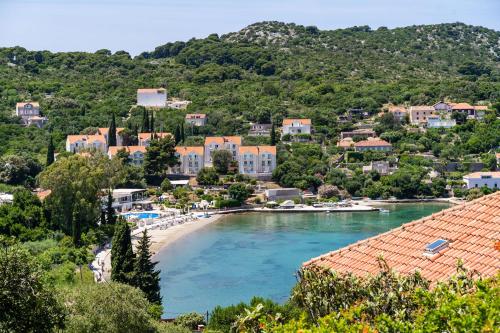
Gornje Čelo is the arrival point, a small harbour with a line of stone houses, a couple of konobas (taverns), and a pebble beach just west of the pier. The water is clear and shallow for the first few metres, good for families. The path east from the harbour leads to the island’s main walking route. There is a small shop for basics, but stock is limited. For a wider choice, bring supplies from Dubrovnik. The harbour faces north, so it gets less afternoon sun than the south side.
Donje Čelo, on the south coast, has a larger beach and a handful of restaurants with terraces over the water. The village is quieter, with fewer day-trippers, and the beach is partly sheltered by a headland. The walk between the two harbours is the island’s signature stroll: a wide, mostly flat path with views across the water to the mainland. It takes 15 to 20 minutes at a relaxed pace. In high season, the path can be busy midday; early morning or late afternoon is calmer.
Walking Routes and Swimming Spots
Beyond the harbour link, a marked path climbs from Gornje Čelo to the island’s highest point, a modest rise of about 100 metres, passing the ruins of a summer house and a small chapel. The ascent takes 20 to 30 minutes; the reward is a view over the Elaphiti islands and the Dubrovnik coastline. From there, a path descends to the south coast near Donje Čelo. Footwear with grip is useful, as stones can be loose. The route is not strenuous but not suitable for strollers.
Swimming options include the beach at Donje Čelo, a pebble cove west of Gornje Čelo near the church of St Nicholas, and several rocky platforms along the coastal path where you can enter the sea via ladders. The sea is clean and calm in summer, though there are no lifeguards. Bring water shoes for the pebbles. There are no public showers or changing rooms, so plan accordingly. The best months for swimming are June to September; water temperatures peak in August.
Where to Stay and When to Go
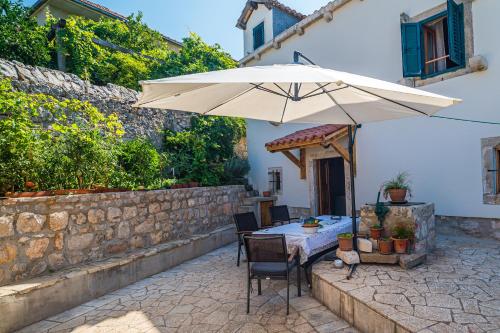
Accommodation on Koločep is limited to private rooms, apartments, and a few small guesthouses, mostly in Gornje and Donje Čelo. There are no large hotels. Booking well ahead is essential for July and August, when day-trippers and overnight guests fill the island. Prices are generally lower than in Dubrovnik, but still rise in high season. For a quiet stay, consider May, June, or September, when the weather is pleasant and the paths are less crowded. Winter sees many places closed.
If you want to be close to the ferry and basic amenities, Gornje Čelo is convenient. For a quieter base with better swimming, Donje Čelo is preferable. I would book a guesthouse in Donje Čelo for a summer stay, as the south side has more reliable sun and a better beach. Note that some properties require a minimum stay of three nights in peak season. Confirm luggage arrangements with your host, as the walk from the ferry with bags can be tiring.
Good to know
Questions, answered
How do I get to Koločep from Dubrovnik?
Take the Jadrolinija ferry from Gruž harbour in Dubrovnik. The crossing takes 30 to 40 minutes. Ferries run several times daily, with more frequent service in summer. Tickets can be bought at the harbour or online. The ferry docks at Gornje Čelo.
Are there cars on Koločep?
No, Koločep is car-free. There are no taxis or rental vehicles. You walk everywhere, so pack light and expect to carry your bags or use a luggage cart if your accommodation provides one. The paths are paved or stone and generally easy to navigate.
What is the best time of year to visit Koločep?
June and September offer warm weather and fewer crowds. July and August are busiest and hottest. May and October are quieter but the sea may be cool for swimming. Many restaurants and guesthouses close between November and April, so check opening dates if travelling off-season.
Can I swim on Koločep?
Yes, there are several swimming spots. Donje Čelo has a pebble beach, and there are rocky platforms with ladders along the coastal path. The sea is clear and calm in summer, but there are no lifeguards or showers. Bring water shoes and a towel.
Is Koločep suitable for a day trip?
Yes, it makes an easy day trip from Dubrovnik. With a morning ferry, you can walk between the two harbours, swim, and have lunch before returning. However, staying overnight gives a quieter experience, especially after the day-trippers leave.
Where should I stay on Koločep?
Accommodation is in private rooms, apartments, and small guesthouses, mostly in Gornje Čelo and Donje Čelo. Donje Čelo is quieter with a better beach; Gornje Čelo is closer to the ferry. Book well in advance for summer, and confirm whether your host offers luggage transport.
Are there restaurants and shops on Koločep?
There are a few konobas and restaurants in both harbours, with terraces over the water. A small shop in Gornje Čelo sells basics, but for a wider selection, bring supplies from Dubrovnik. In shoulder season, some places may have limited hours.
What should I bring for a day of walking?
Wear comfortable shoes with good grip, as paths are uneven in places. Bring water, sun protection, a hat, and swimwear if you plan to swim. There are limited shops, so carry what you need. A small backpack is ideal for carrying essentials between the harbours.
Doing good is the business: every booking through Stay Dubrovnik funds one verified tonne of carbon removal — same room, same price, no markup.
Search stays