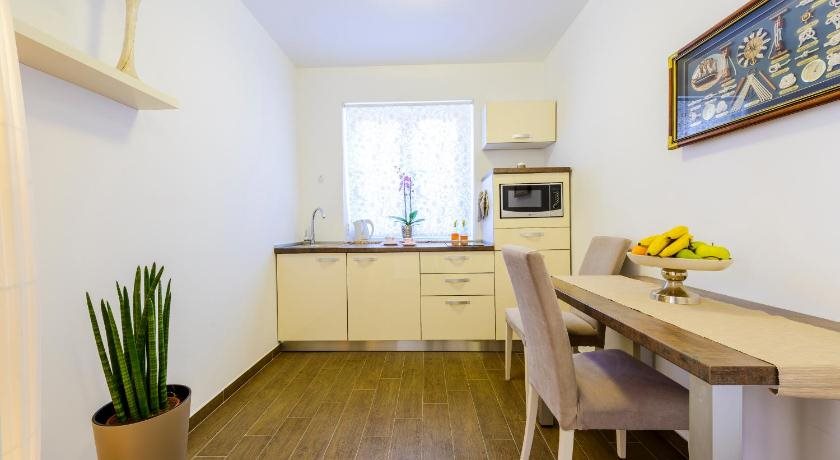
Tara apartments
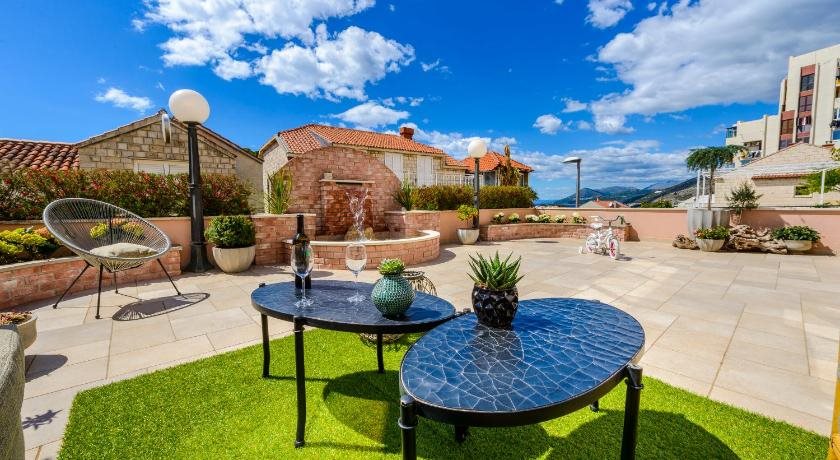
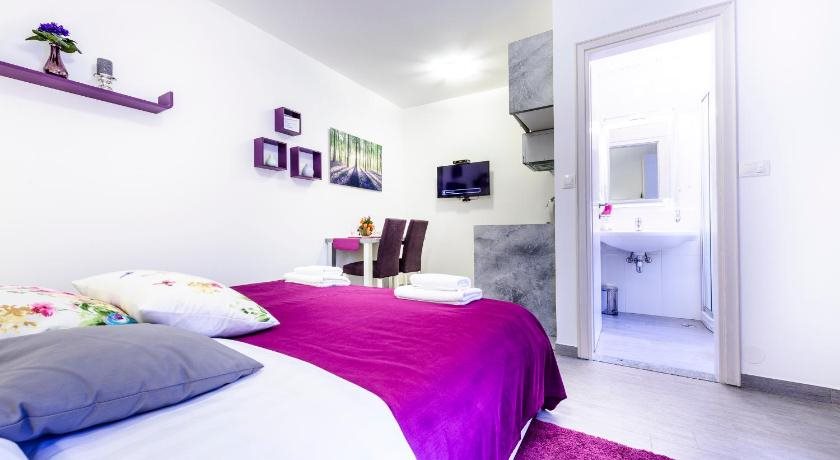
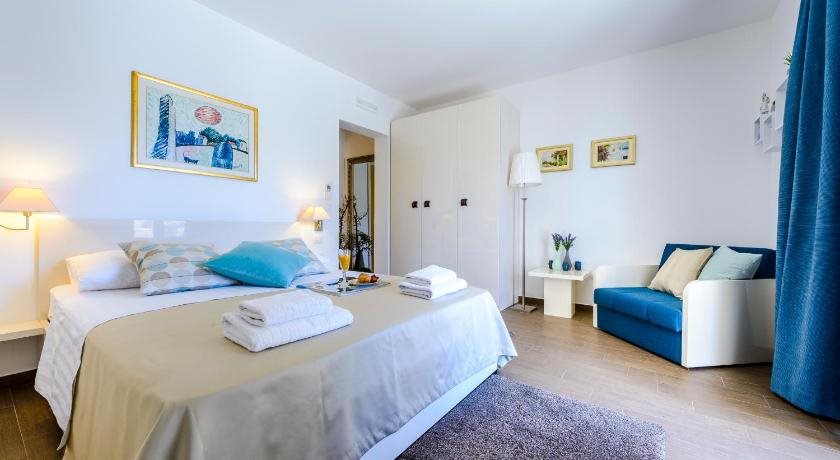
Looking for a straightforward base in Dubrovnik? Tara apartments in Croatia covers the essentials and sits near Fort Minčeta.
From here, Dubrovnik's main attractions — including Fort Minčeta — are an easy walk or short ride away, so you spend less time in transit and more time exploring.
Rates shift with the season and with demand, so the live price on the booking page is always the one to trust — tap through for tonight's or your dates' real availability.
Key facts
What’s included
Around Croatia


What Dubrovnik hotels actually cost in 2024–25
Budget in Dubrovnik means €70–110 in shoulder season for a 3-star room in Gruž, Boninovo or Montovjerna, or a sobe (licensed private room) in Lapad. Mid-range 4-star in Lapad or Babin Kuk runs €150–260 in June and September, climbing to €280–380 in August; the same standard inside the Old Town walls adds roughly €80–120 per night for the address. Top-end means the Excelsior, Villa Dubrovnik, Rixos Premium, Hotel Bellevue or the Adriatic Luxury group in Ploče, where sea-view rooms sit at €600–1,200 in July and August.
Rates spike hardest around the Summer Festival's opening weekend (10–12 July), the 15 August Assumption holiday, and any week a large cruise conference books out Gruž. Cavtat, Mlini and Slano typically undercut central Dubrovnik by 25–35% for equivalent stars, and the Elaphiti islands are cheaper still outside July–August but have limited stock — Lopud has fewer than ten hotels in total.
The Dubrovnik booking trap: cruise days, steps and the Lapad misconception
Check the Dubrovnik Port Authority cruise schedule before you lock in dates — on days with three or more ships docking in Gruž (often Tuesdays and Wednesdays May–October), the Old Town takes on 8,000–10,000 extra day visitors between 9am and 3pm. Staying in Ploče or Pile lets you be on Stradun at 7am and out on a boat by 10am; Old Town accommodation itself also means hauling luggage up flights of stone stairs, as streets like Ulica od Sigurate and Prijeko are stepped and no vehicles enter past Pile or Ploče gates. Ask any hotel inside the walls how many steps from the nearest gate before you book.
The area people wrongly skip is Lapad. It gets dismissed as "the resort strip", but the pedestrianised palm avenue, the Petka hill walk, and swimming off Cava beach or Sunset Beach on Babin Kuk make it the most liveable base for anything over three nights, and bus 6 has you at Pile Gate in 15 minutes. The other quiet surprise is late October: warm enough to swim off Šunj on Lopud, half the August price, and the walls almost empty by mid-afternoon.
Where to stay in Dubrovnik: choosing between Old Town, Lapad, Ploče and the islands
The Old Town inside the walls is the most expensive base and the most atmospheric, with 4-star boutique stays typically €250–500 in summer and no cars allowed past Pile Gate. Ploče, just east of the walls, is quieter and holds the big-name hotels like Excelsior and Grand Villa Argentina with direct access to Banje beach. Pile sits at the western gate and gives you 5-minute walk-in access at 3-star prices. Lapad and Babin Kuk, 4 km west on the peninsula, are where families and longer-stay guests go — pedestrianised Šetalište kralja Zvonimira, sandy Copacabana and Sunset Beach, and rates 30–40% below the Old Town.
Gruž around the ferry port is the budget and local pick, handy for Jadrolinija sailings to Mljet, Lopud, Šipan and Korčula. Boninovo and Montovjerna are residential and cheap but need the 1A or 1B bus into town. Further afield, Cavtat (18 km south, near the airport), Mlini and Srebreno work for a calmer coastal base, while Slano (37 km north), Ston (54 km, oysters and walls), Orebić (facing Korčula), and the Elaphiti islands of Lopud and Koločep suit anyone happy to trade quick Old Town access for swimming off the doorstep.