
Palace Natali
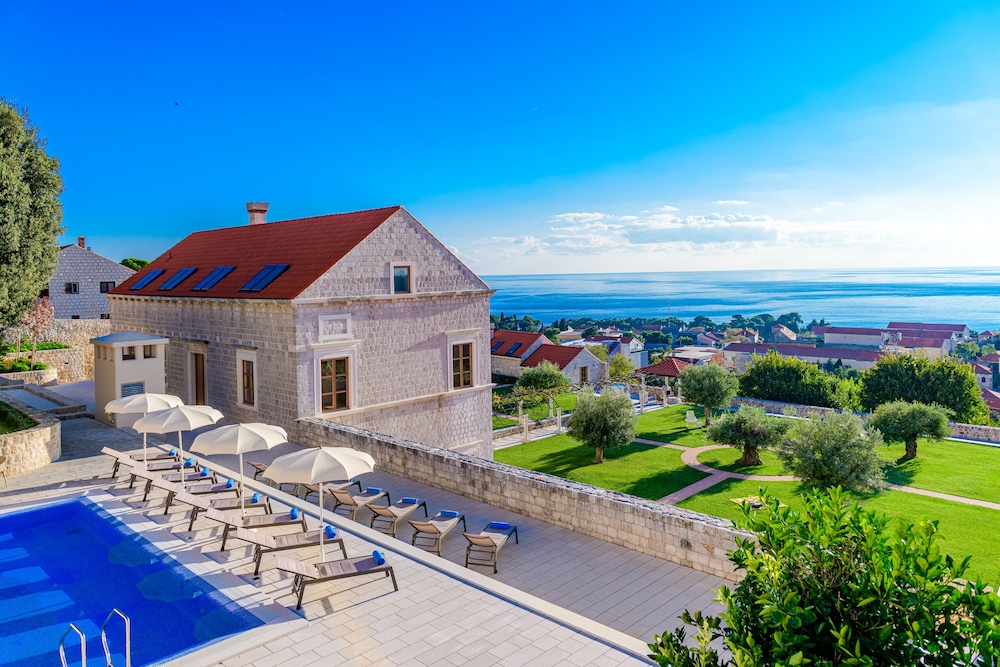
Palace Natali is a well-rated 4-star hotel in Croatia, Dubrovnik, popular with guests who want comfort and a strong location near Dubrovnik City Walls.
The surrounding Croatia district is one of the most convenient parts of Dubrovnik to stay in, with restaurants, cafés and transport links close by.
Rates shift with the season and with demand, so the live price on the booking page is always the one to trust — tap through for tonight's or your dates' real availability.
Key facts
What’s included
Around Croatia


Where to stay in Dubrovnik: choosing between Old Town, Lapad, Ploče and the islands
The Old Town inside the walls is the most expensive base and the most atmospheric, with 4-star boutique stays typically €250–500 in summer and no cars allowed past Pile Gate. Ploče, just east of the walls, is quieter and holds the big-name hotels like Excelsior and Grand Villa Argentina with direct access to Banje beach. Pile sits at the western gate and gives you 5-minute walk-in access at 3-star prices. Lapad and Babin Kuk, 4 km west on the peninsula, are where families and longer-stay guests go — pedestrianised Šetalište kralja Zvonimira, sandy Copacabana and Sunset Beach, and rates 30–40% below the Old Town.
Gruž around the ferry port is the budget and local pick, handy for Jadrolinija sailings to Mljet, Lopud, Šipan and Korčula. Boninovo and Montovjerna are residential and cheap but need the 1A or 1B bus into town. Further afield, Cavtat (18 km south, near the airport), Mlini and Srebreno work for a calmer coastal base, while Slano (37 km north), Ston (54 km, oysters and walls), Orebić (facing Korčula), and the Elaphiti islands of Lopud and Koločep suit anyone happy to trade quick Old Town access for swimming off the doorstep.
Best time to visit Dubrovnik: month-by-month prices and weather
May, late September and early October are the value sweet spots: sea around 20–22°C, daytime highs of 22–25°C, and Old Town 4-star rooms at €130–200 versus €350+ in August. July and August are peak — expect 30°C, cruise ships in Gruž, and the Dubrovnik Summer Festival (10 July–25 August) pushing rates to their annual maximum. June and early September are the compromise: warm sea, full ferry schedules to Mljet and the Elaphiti, prices 20–30% below August.
November to March is genuinely quiet; many Lapad and Babin Kuk hotels close, but Old Town properties like Hotel Stari Grad and the Pucić Palace stay open at €90–140. The Feast of St Blaise on 3 February fills the town for a weekend and Christmas markets on Stradun run mid-December to early January. April sees Easter spikes and the reopening of most seasonal hotels, with the Cavtat and Mlini resorts back online by the middle of the month.
Getting around Dubrovnik: airport, buses, ferries and whether you need a car
You do not need a car if you're staying in the Old Town, Pile, Ploče, Lapad or Babin Kuk. The Platanus airport shuttle from DBV runs to the main bus station in Gruž for €10 one way, taxis are a flat €35–45, and Libertas city buses 1A, 1B, 3, 6 and 8 link Pile, Gruž, Lapad and Babin Kuk for €1.73 in advance or €2.65 on board. Old Town to Lapad is 4 km, roughly 15 minutes by bus; Pile to Gruž port is 2.5 km.
For Cavtat (18 km), Mlini and Srebreno, bus 10 runs along the Adriatic coast road or you can take the seasonal water taxi from the Old Port. Ston, Slano, Orebić and the Pelješac wineries are where a hire car earns its keep — the D8 coastal road plus the new Pelješac Bridge (opened July 2022) means you can skip the Bosnian border crossing at Neum. Islands are ferry-only: Jadrolinija and Kapetan Luka from Gruž reach Lopud in 55 minutes, Šipan in 90, Mljet's Sobra port in about 2 hours and Korčula Town in 2h 15.