Looking for a straightforward base in Dubrovnik? Boutique Apartment Petra in Croatia covers the essentials and sits near Fort Minčeta.
From here, Dubrovnik's main attractions — including Fort Minčeta — are an easy walk or short ride away, so you spend less time in transit and more time exploring.
Book Boutique Apartment Petra through app.impt.io at the same live rate you would find anywhere else, with free cancellation on most rooms. Every completed booking funds one verified tonne of carbon removal — paid from the standard commission the hotel already covers, never added to your bill.
Good to know
Boutique Apartment Petra, questions answered
Where is Boutique Apartment Petra located?
Boutique Apartment Petra is in Montovjerna, Dubrovnik (Hrvatskog Crvenog Križa 10, Dubrovnik, Croatia), close to Fort Minčeta.
How much does Boutique Apartment Petra cost per night?
Prices are set live by the hotel — check the booking page for a real rate for your dates.
How many stars is Boutique Apartment Petra?
Boutique Apartment Petra is a 3-star hotel in Dubrovnik.
Keep looking
More stays nearby
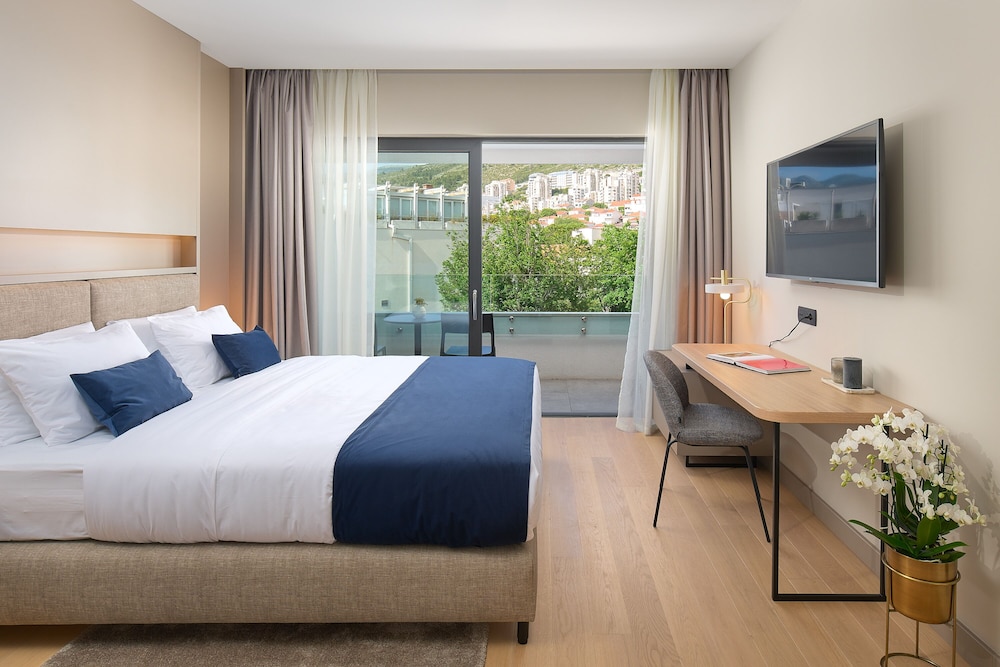
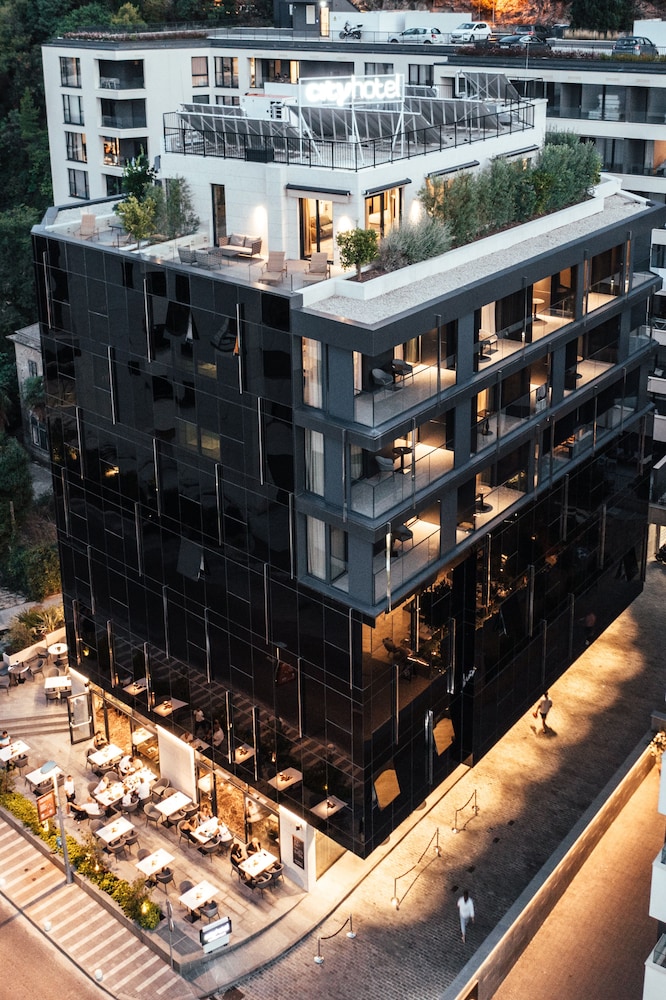
Montovjerna
City Hotel Dubrovnik
Staying in Croatia? City Hotel Dubrovnik offers dependable 4-star quality and puts Fort Minčeta and central Dubrovnik within easy reach.
$237 / nightReserve
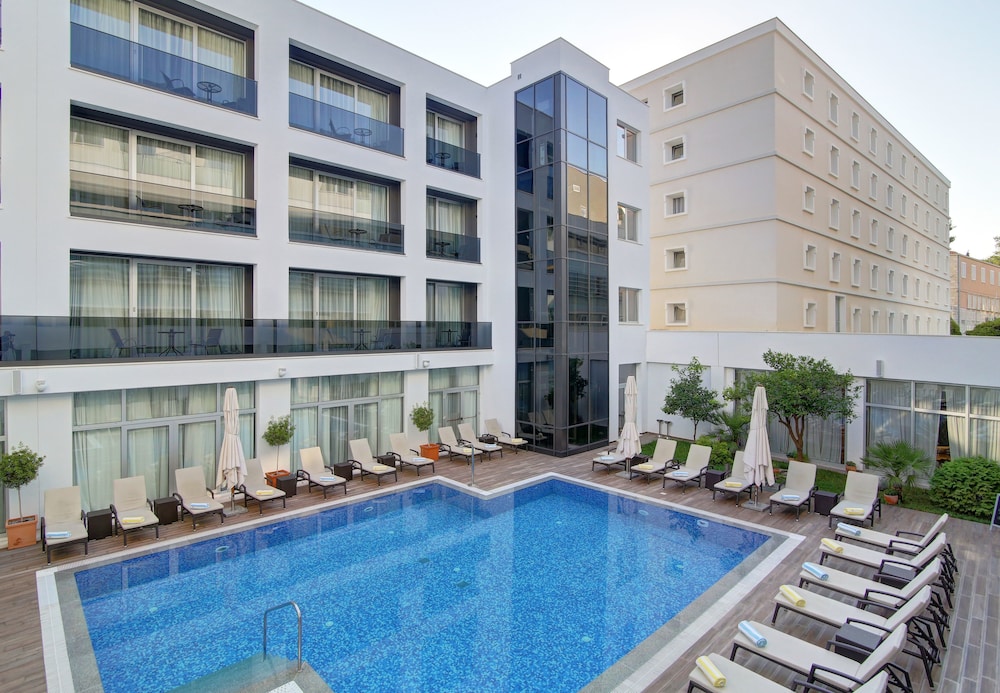
Montovjerna
Hotel Lero
Staying in Croatia? Hotel Lero offers dependable 4-star quality and puts Fort Minčeta and central Dubrovnik within easy reach.
$234 / nightReserve
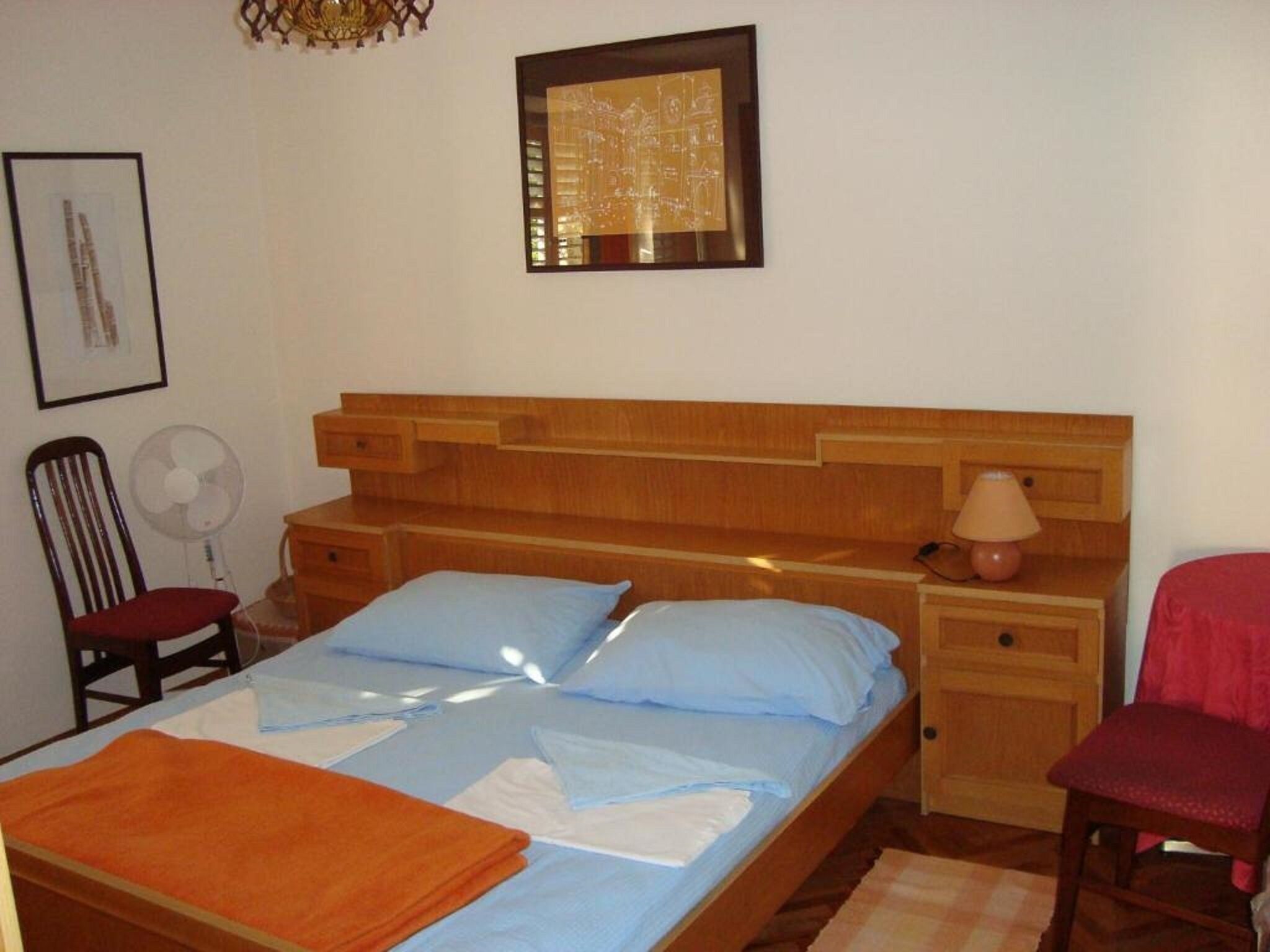
Montovjerna
Katarina Rooms
Katarina Rooms is a practical 3-star stay in Montovjerna, Dubrovnik — good value for exploring the area and its landmarks like Fort Revelin.
$156 / nightReserve
Montovjerna
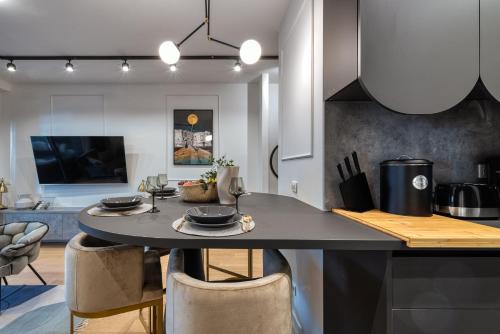
Dubrovnik Apartment Presidente
Staying in Croatia? Dubrovnik Apartment Presidente offers dependable 4-star quality and puts Fort Imperial (Mount Srđ) and central Dubrovnik within easy reach.
$218 / nightReserve
Montovjerna
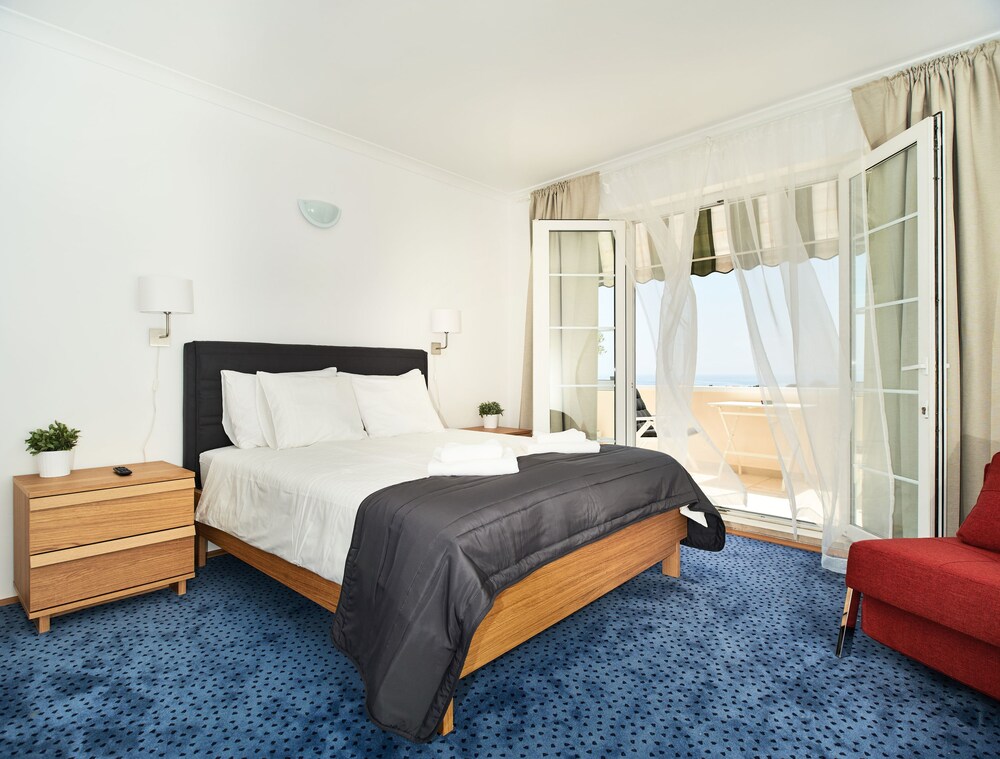
Kamara Dubrovnik
Looking for a straightforward base in Dubrovnik? Kamara Dubrovnik in Croatia covers the essentials and sits near Ston Walls.
Live priceReserve
Doing good is the business: every booking through Stay Dubrovnik funds one verified tonne of carbon removal — same room, same price, no markup.
Search stays