
Neighbourhood picks
Zaton and Slano in Early Spring: Choosing Your Coastal Base South of Dubrovnik
Two quiet bays within half an hour of Dubrovnik, compared on weather, transport, beaches and what is actually open before Easter.
Where Each Bay Sits and How You Reach It
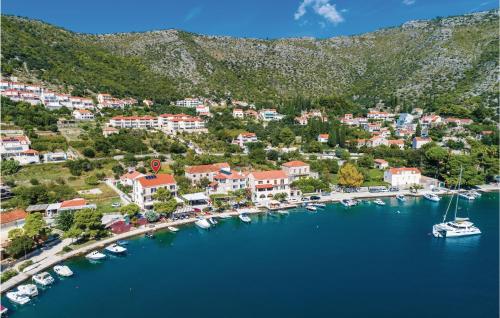
Zaton and Slano both lie northwest of Dubrovnik along the Adriatic highway, but they occupy different worlds. Zaton is the collective name for three small settlements — Zaton Mali, Zaton Veliki and Štikovica — wrapped around a sheltered bay roughly 8 km from the city, about 15 minutes by car or a short ride on Libertas bus lines 12 and 15 from Gruž. Slano is a further 27 km up the coast, around 40 minutes by road, sitting at the head of a deep, calm inlet on the Pelješac-facing side.
That distance matters in early spring. Zaton functions as a suburb of Dubrovnik: you can be in the Old Town before the cruise crowds land, and the airport at Čilipi is about 30 minutes away. Slano is a destination in its own right, with the highway running through it and the Ston peninsula beginning just beyond. If your trip mixes Dubrovnik sightseeing with day drives to Ston, Mali Ston or the Pelješac vineyards, Slano saves you backtracking; if the city is the priority, Zaton wins on convenience.
Weather, Sea and What Early Spring Actually Feels Like
March and April here are mild rather than warm. Air temperatures typically run from about 12°C to 18°C, with the sea still in the low teens — pleasant for a promenade, bracing for a swim. Maestral, the afternoon northwesterly, picks up on open stretches, and jugo can bring grey, damp days from the southeast. Both bays are sheltered, but Slano's enclosed inlet stays calmer when jugo blows, while Zaton's wider mouth catches more breeze. Rain falls on roughly a third of days in March, easing through April.
The upside is emptiness. Beaches that are wall-to-wall in August — Zaton's pebbly strips at Štikovica and the pine-backed cove near the Hotel Štikovica, Slano's long gravel shoreline and the shallow Banja area — are near deserted. Sunbathing is possible on bright afternoons; swimming is for the hardy. Late April is the sweet spot: warmer air, the first café terraces open, and the sea beginning to lose its winter chill. May half-term crowds have not yet arrived, and hotel rates sit well below July and August levels across both bays.
Facilities, Food and Off-Season Reality
This is the honest caveat. Outside Easter week, Zaton keeps a handful of konobas and pizzerias open year-round because locals live there, and a small supermarket in Zaton Veliki covers essentials. Slano is more seasonal: several seafront restaurants and beach bars shut from November to March, though a couple of places near the harbour and the Admiral complex stay open for locals. Do not expect a full restaurant strip in either bay before mid-April. Self-catering apartments with a kitchen are the safer bet in March.
For dining beyond the bays, Zaton has the advantage — Dubrovnik's Gruž market opens early each morning, and the city's restaurants operate year-round. Slano puts you 20 minutes from Ston and Mali Ston, where the oyster and mussel beds are worked in all seasons and a few tavernas serve them outside the summer rush; that alone justifies a night or two. If you want reliable choice without driving, base in Zaton and visit Slano as a day trip.
Which Base I Would Book, and What to Skip
For a first early-spring trip with Dubrovnik on the agenda, I would book Zaton — specifically Štikovica or Zaton Mali, where the shore faces northwest and catches the afternoon sun. You get bus access to the city, a car park, quieter nights than Lapad, and a bay that works in changeable weather. Choose a hotel or aparthotel with an indoor or heated option if travelling in March, since outdoor pools are often unheated until May.
Book Slano instead if your plan is Pelješac and Ston rather than the Old Town: it shortens every drive east of Ston and offers a genuinely restful waterfront. What to skip: the assumption that either bay is a beach holiday in March, and any plan that relies on seafront restaurants being open before Easter. Confirm opening dates with your accommodation before booking, hire a car for at least part of the stay, and treat both bays as bases for exploring rather than resorts in themselves.
Related articles
Good to know
Questions, answered
Is it warm enough to swim in Zaton or Slano in March?
No, not comfortably. Sea temperatures in March sit in the low teens Celsius, and air temperatures average around 12–15°C. Late April is more realistic for a short dip, and even then most people prefer the pool or a wetsuit. Bring layers and plan walks rather than swims.
Do I need a car to stay in Slano?
It helps considerably. Slano is on the coastal highway with bus connections toward Dubrovnik and the Pelješac peninsula, but services are limited outside summer. A car makes Ston, Mali Ston and the vineyards reachable in 15–25 minutes and gives you flexibility when restaurant opening hours are uncertain in March.
How long does it take to get from Zaton to Dubrovnik's Old Town?
By car it is roughly 15 minutes to the city outskirts, though parking near the Old Town is expensive and restricted. Libertas buses from Zaton toward Gruž and Pile take around 25–35 minutes depending on stops. Many visitors park at Gruž and walk or take a local bus the final stretch.
Are restaurants open in Zaton and Slano before Easter?
Partially. Zaton has year-round residents, so a few konobas and a small supermarket stay open. Slano is more seasonal, with several seafront places closed from November to March. Always confirm with your accommodation before relying on a specific restaurant, and consider self-catering for March stays.
Which bay is better for a family in early spring?
Zaton generally suits families better off-season: shorter transfers from Dubrovnik airport, bus links, a supermarket, and sheltered pebble coves for rock-pooling. Slano's shallow Banja beach is excellent in summer but its quieter off-season facilities can be limiting. Choose an apartment with heating and a kitchen either way.
What is there to do on a rainy day near Slano?
Head for Ston: the medieval walls, the salt pans and the malostonski oyster beds are visitable in most weather, and Mali Ston has indoor tavernas. Alternatively drive to Dubrovnik's museums and galleries, about 40 minutes away, or visit the Franciscan monastery at Slano itself if open. Keep a flexible plan.
Is Zaton or Slano quieter in early spring?
Both are quiet. Zaton sees more local traffic and commuter movement toward Dubrovnik, while Slano feels emptier because its seasonal businesses are closed. If you want near-total stillness, Slano; if you want a bay that still functions as a village, Zaton Mali or Veliki is the better choice.
When do hotel prices in these bays start to rise?
Rates typically climb from late April, step up noticeably around Easter and May half-term, and peak in July and August. March and early April are the value window. Booking directly with a smaller hotel or apartment often gives more flexibility on dates than large seasonal complexes.
Doing good is the business: every booking through Stay Dubrovnik funds one verified tonne of carbon removal — same room, same price, no markup.
Search stays